
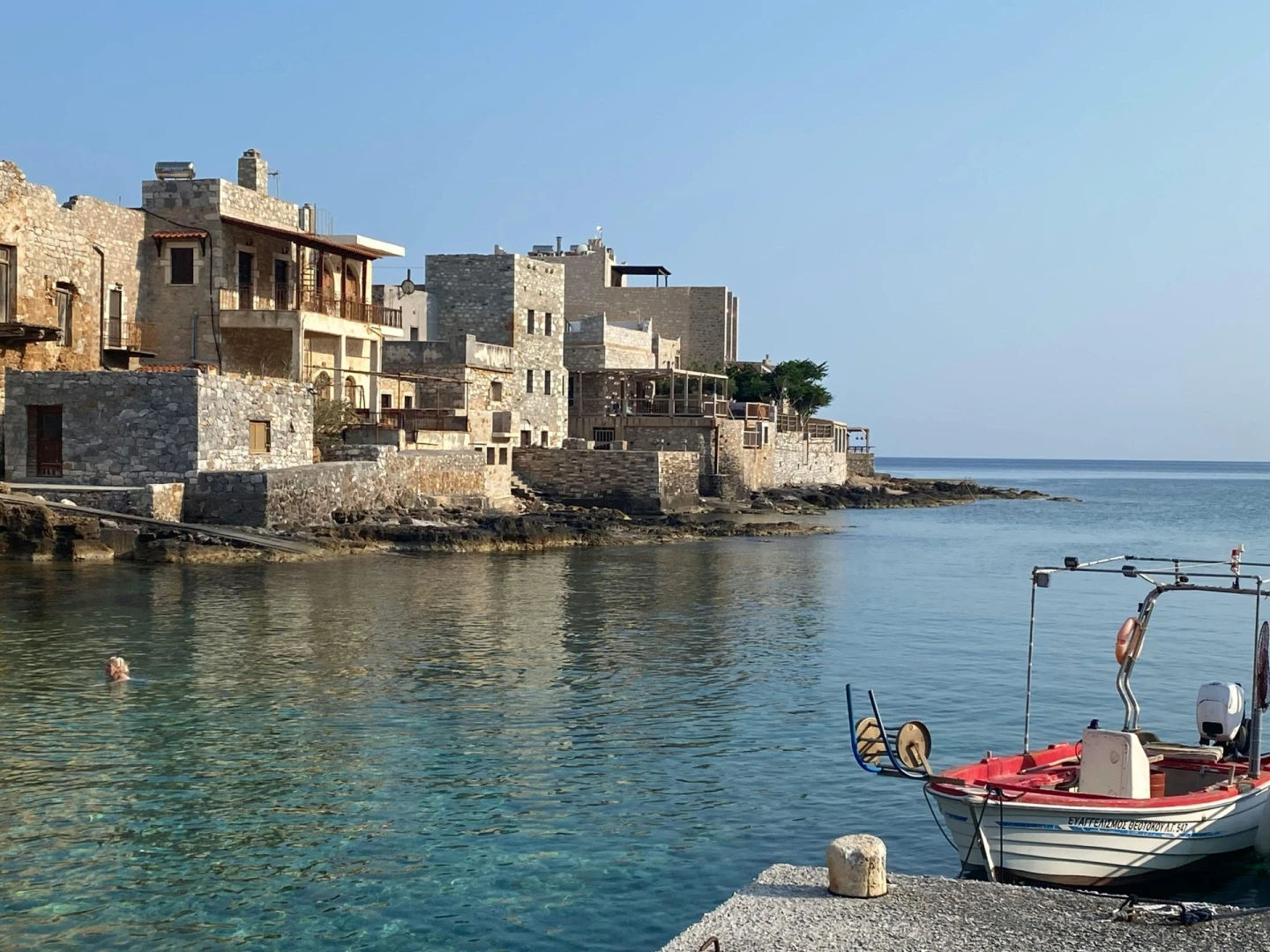
May is one of the most pleasant months to visit the Peloponnese, with mild spring weather, comfortable temperatures, and generally stable conditions across the region. It is a transitional month between the wetter, cooler spring period and the hotter, dry Greek summer.
May is one of the most reliable months to visit the Peloponnese. Daytime temperatures typically sit between 22 and 25°C, nights cool to around 15 to 18°C, and rainfall is limited. The harsh winter weather has passed, the intense summer heat has not yet arrived, and the landscape, wildflowers, green hills, blooming gardens, is at its best.
For anyone planning a trip to the region, whether for a holiday, a property viewing, or simply to explore, May tends to deliver exactly what most visitors are hoping for.
Average temperatures in May
Across most of the peninsula, daytime highs settle comfortably in the low-to-mid twenties. Coastal areas benefit from sea breezes that keep temperatures feeling fresh even on warmer afternoons. Inland and at higher elevations, the Arcadia region, for example, mornings and evenings can be noticeably cooler, so layers are worth packing.
The southern coastal areas around Kalamata and the Mani Peninsula tend to be among the warmest and most consistent, with nights rarely dropping below 16°C. These areas also see some of the most reliable sunshine, with around 9 to 10 hours per day across the month.
Rainfall and general conditions
May sees considerably less rain than the winter and early spring months. Expect occasional brief showers, perhaps half a dozen rainy days across the month on average, but these typically pass quickly and rarely disrupt plans for long. The air is clear, humidity is moderate, and conditions are comfortable for spending long periods outdoors. Sea temperatures reach around 18 to 20°C by late May along the southern coast, which is cool but swimmable for most people, and noticeably warmer than earlier in the spring.
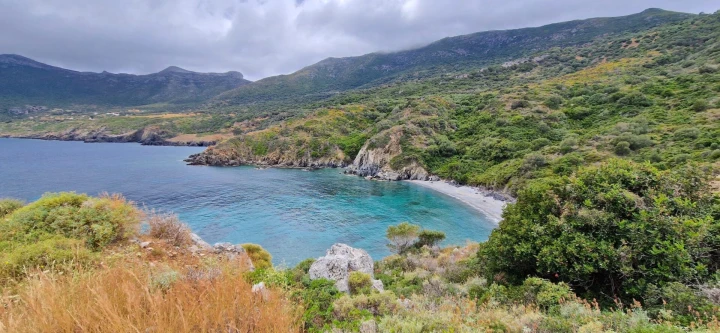
How May compares to other months and other regions
May sits in a different category from the peak summer months. July and August in the Peloponnese bring intense heat, regularly above 35°C inland, and heavy tourist traffic in the popular coastal towns. May avoids both. The beaches are quieter, the roads are less congested, and the temperature is easier to spend time in, particularly for anyone planning to cover ground on foot or by car.
Compared to other parts of Greece, the Peloponnese in May tends to be warmer than northern mainland areas like Thessaloniki or Halkidiki, typically by a few degrees. Conditions are broadly similar to Crete, though evenings in the Peloponnese often feel slightly cooler. The Ionian Islands to the west can see more rainfall during May, making the Peloponnese the more reliably dry option at this time of year.
What to pack for a May visit
The temperature range means light clothing works well during the day, with a layer or two for evenings. A light jacket is useful, particularly if you plan to spend time at higher elevations or near the coast after sunset. Comfortable walking shoes are worth prioritising, as the terrain across the Peloponnese, from archaeological sites to village streets to coastal paths, rewards being properly shod. Sunscreen and sunglasses are essential. With close to ten hours of sunshine on a clear day, the UV index in May is higher than many visitors expect.
A practical note for property buyers
Overall, visiting the Peloponnese in May offers an excellent balance of comfort and practicality. It allows you to see properties in good weather conditions, travel easily between locations, and experience the region without the pressures of high summer tourism. At the same time, it is important to look beyond the immediate conditions and consider how a property performs across the full year.
A well-informed decision comes from understanding not just how a property feels in spring, but how it behaves in summer heat, winter rain, and the quieter shoulder seasons in between. Taking the time to ask the right questions during your visit can make a significant difference in choosing a property that suits both your lifestyle and long-term plans.

If you are planning a visit and would like to combine it with property viewings across the Peloponnese, our team will be happy to help you.
Disclaimer: This content is for informational purposes only and does not constitute legal or tax advice. For guidance on your specific situation, we recommend consulting a lawyer, accountant, or notary as appropriate.