
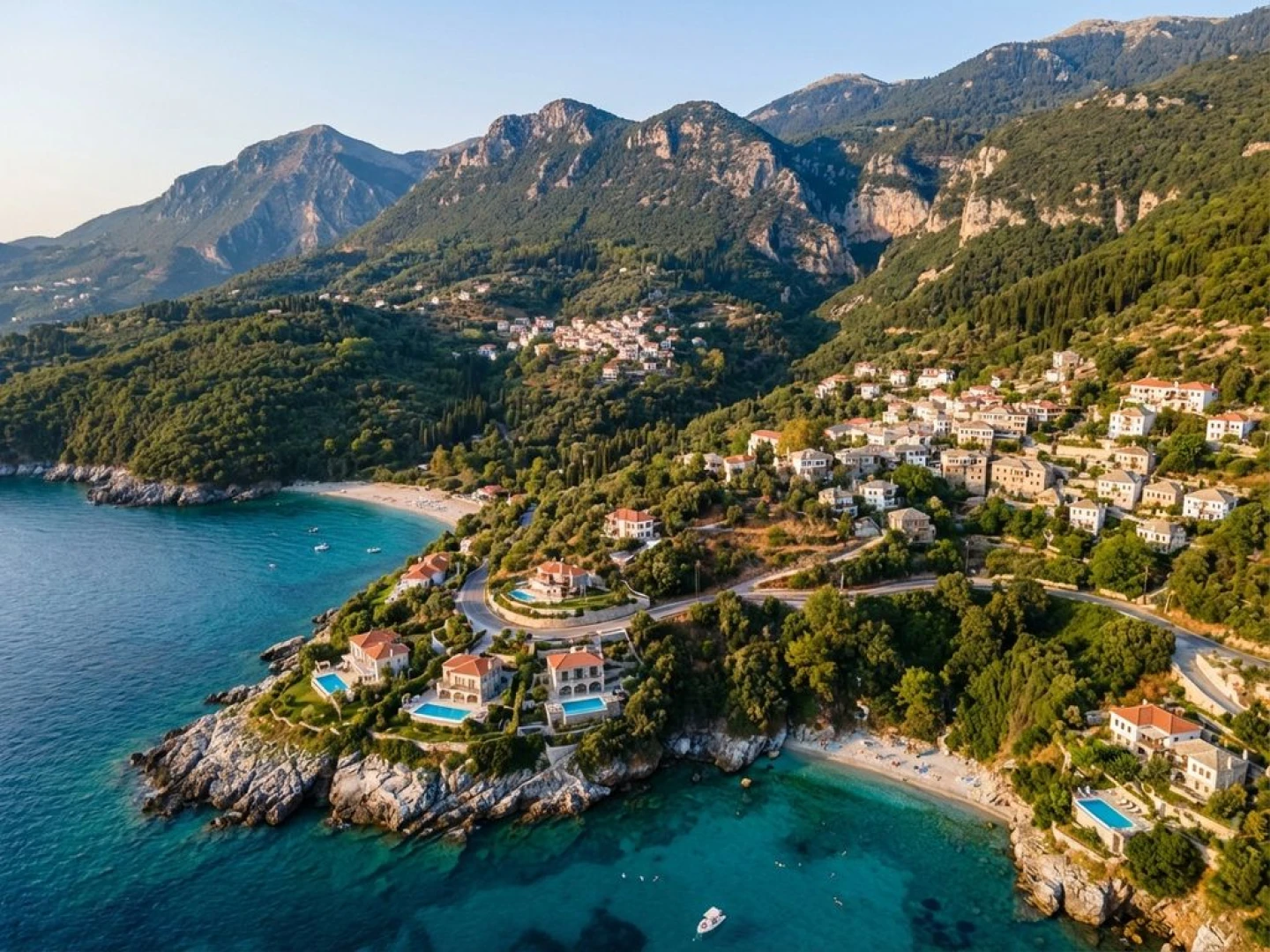
Two hours from Thessaloniki, Pelion feels like a different world. Stone villages, forest roads, and coastline on two sides. You can have a sea view in the morning and be walking through the mountains by afternoon. The property market is just as varied.
Pelion offers a rare combination of mountain villages and coastal locations that suits a wide range of buyers and budgets. Traditional stone architecture, dual coastlines along the Aegean Sea and Pagasetic Gulf, and year-round tourism make it one of the more distinctive property markets in mainland Greece. Understanding the differences between areas is the starting point for finding the right fit.
What makes Pelion an interesting destination for property buyers?
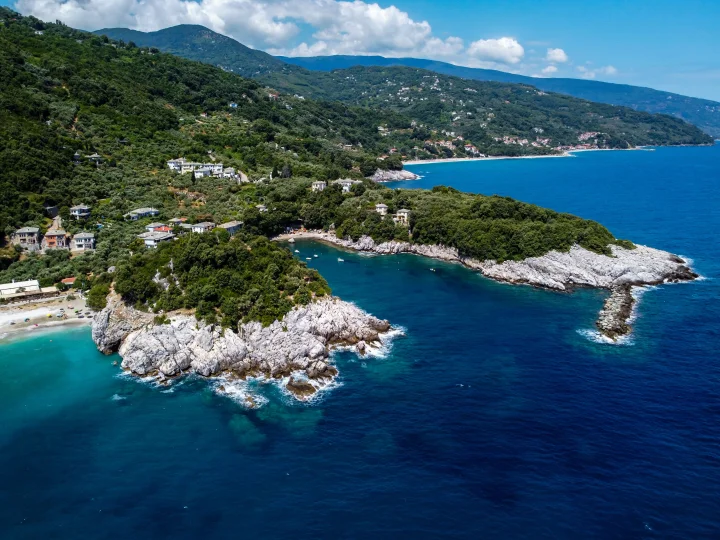
Pelion's geography is its main draw. The eastern coastline faces the open Aegean, with dramatic scenery and exposed beaches, while the Pagasetic Gulf to the west offers calmer, sheltered waters that suit families and younger visitors. Having both within the same region gives buyers genuine variety.
The traditional Pelion stone architecture is protected by heritage regulations, which preserves the character of the villages and limits the kind of development that can dilute an area's appeal. Villages like Makrinitsa and Vizitsa are among the best examples of this style, and they attract visitors looking for something beyond the typical beach holiday.
Proximity to major cities adds a practical dimension. Pelion sits roughly two hours from Thessaloniki and three from Athens, making it accessible for weekend use as well as longer stays. Improved road infrastructure and growing tourism facilities have broadened its appeal across more of the year.
Which Pelion villages are worth considering for property buyers?
Mountain villages like Makrinitsa and Vizitsa offer traditional stone houses and renovation projects at competitive prices. They have established infrastructure, year-round accessibility, and a loyal visitor base that returns for the scenery, hiking, and architecture. Coastal areas including Agios Ioannis and Platanias sit at the higher end of the market, with prices reflecting direct beach access and strong summer demand. These villages are well suited to buyers who want a property that is usable and rentable from the moment they have it in order. Areas like Milies and Tsagarada sit between the two in both character and price. They combine traditional appeal with growing visitor interest, and tend to attract buyers who want authentic surroundings without committing to a full renovation project.
What is the difference between coastal and mountain property in Pelion?
Coastal properties carry higher purchase prices and tend to generate stronger rental demand during the summer months. Beach access is the primary driver, and these locations are easier to let to visitors who know exactly what they want from a Greek holiday.
Mountain properties offer year-round living potential, lower entry prices, and a different kind of appeal. The architecture is distinctive, the pace is slower, and the visitor profile skews towards people seeking hiking, culture, and a break from the coast. For buyers considering permanent residence or a longer-term hold, these locations can make more sense.
Accessibility is worth factoring in. Coastal areas are generally easier to reach and better served by local amenities. Some mountain villages involve narrower roads and can be more challenging in winter, which is worth considering if year-round use is part of the plan.
How do property prices vary across Pelion?
Pricing follows a few consistent patterns. Proximity to the beach, ease of access, and the popularity of the village are the main variables. Well-established coastal destinations sit at the top of the range, while inland villages and emerging areas offer lower entry points.
Condition matters significantly. Traditional stone houses with original features carry a premium, but properties requiring restoration can offer lower purchase prices for buyers willing to invest in the work. Modern constructions tend to offer better immediate habitability at more competitive prices. Land plots are available for buyers who want to build, subject to local architectural guidelines.
What should international buyers know about accessibility and infrastructure?
Volos is the main access point for Pelion, sitting around 30 minutes from the central villages. Thessaloniki Airport is approximately two hours away, and Athens Airport is reachable for longer journeys. For buyers flying in from abroad, the connections are practical. Road infrastructure has improved across the region, with paved access to most villages. Some mountain locations can be more challenging in winter, which is worth considering for properties intended for year-round use. Internet connectivity is generally better in coastal villages than in more remote mountain areas. Medical facilities are available in Volos and the larger towns.

Which areas of Pelion tend to perform well for rentals?
Coastal villages with direct beach access see the strongest summer demand, with Agios Ioannis and Platanias among the most consistently popular. The established tourism infrastructure in these areas, combined with the appeal of the Aegean coastline, supports steady seasonal bookings. Mountain villages near walking trails and cultural sites attract a different profile of visitor, typically interested in hiking, local food, and architecture rather than beach holidays. Properties in Makrinitsa and Vizitsa do well with this segment, which tends to travel outside the peak summer weeks and stay longer.
Across Pelion, properties with original architecture, good outdoor spaces, and proximity to natural or cultural attractions tend to perform well. The region draws visitors across a longer season than many comparable Greek destinations, which can work in a rental owner's favour.
Pelion is a market that rewards buyers who take the time to understand the differences between areas. If you would like to talk through what might suit your situation, our team is happy to help.
Disclaimer: This content is for informational purposes only and does not constitute legal or tax advice. For guidance on your specific situation, we recommend consulting a lawyer, accountant, or notary as appropriate.