
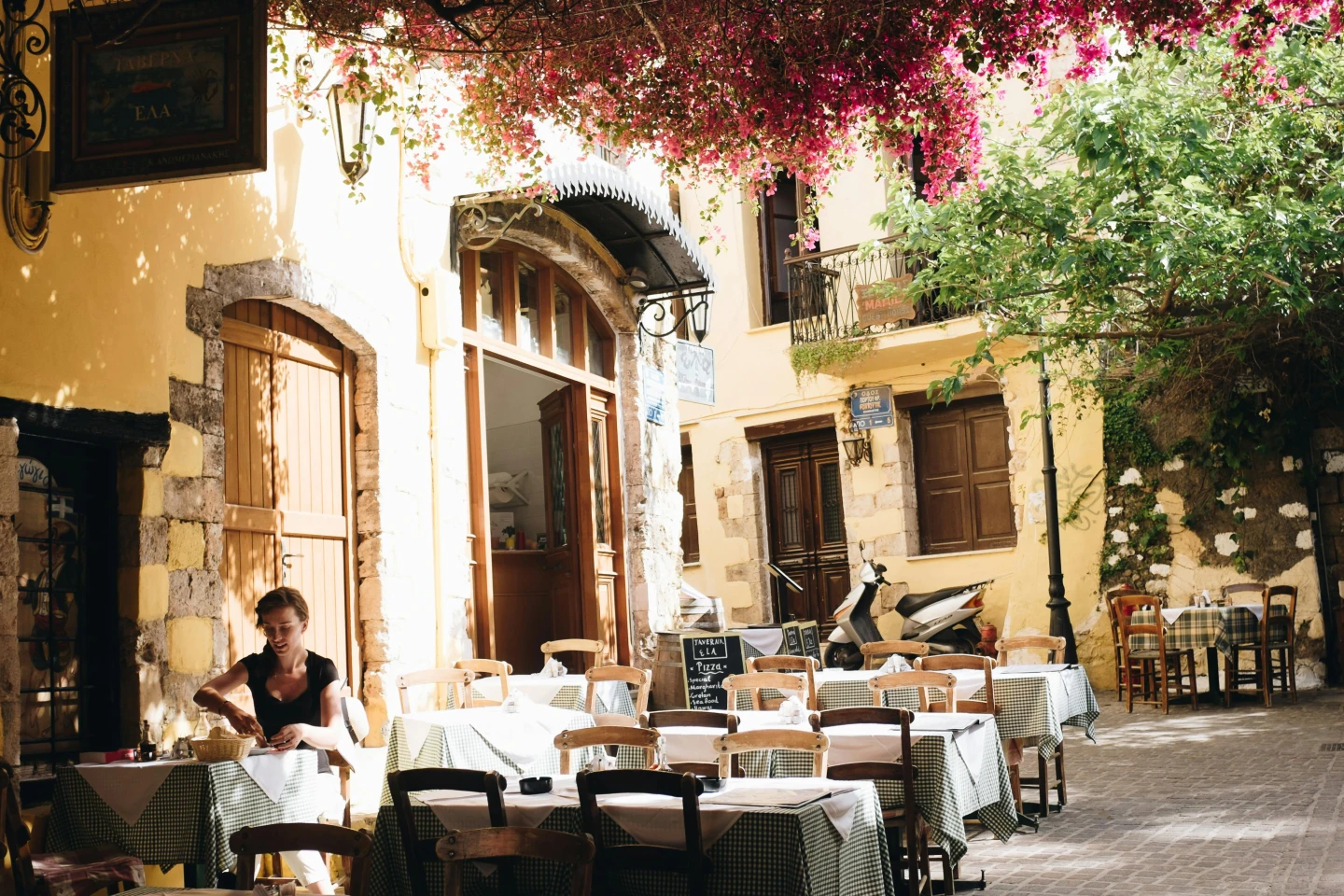
Discover Crete's distinctive culinary treasures, from iconic dakos and wild stamnagathi greens to world-renowned olive oil and graviera cheese. This Mediterranean island's unique geography and centuries-old traditions have created exceptional dishes that influenced global understanding of healthy eating.
Crete is widely known for its simple, fresh cuisine, based on local ingredients and traditional recipes that have been passed down through generations. Olive oil, cheese, wild greens, vegetables, and locally raised meat form the foundation of many Cretan dishes. From dakos and lamb with stamnagathi to graviera cheese, the island's food reflects both its agricultural traditions and its Mediterranean setting.
What makes Cretan cuisine different from other Greek food?
Cretan cuisine differs from mainland Greek food through its distinctive use of wild greens, exceptional olive oil quality, and cooking methods rooted in the island's pastoral traditions. The island's isolated geography has preserved ancient recipes, whilst its diverse landscape produces ingredients unavailable elsewhere in Greece.
The foundation of authentic Cretan cuisine lies in its abundant wild greens, known locally as horta. These include stamnagathi (spiny chicory), vlita (amaranth), and countless other varieties that grow naturally across the island's mountains and countryside. Mainland Greek cuisine rarely incorporates such an extensive variety of foraged greens into everyday cooking.
Crete's pastoral heritage also distinguishes its food culture. The island's traditional emphasis on sheep and goat herding has created a rich cheese-making tradition, producing varieties like graviera and mizithra that are central to local dishes. Many dishes are slow-cooked in clay pots or prepared using techniques passed down through generations of shepherds and farmers.
The island's position at the crossroads of Europe, Africa, and Asia has influenced its culinary development differently than mainland Greece. Venetian, Ottoman, and Arab influences appear in unique combinations, creating dishes and flavour profiles that are distinctly Cretan rather than broadly Greek.
What are the most famous traditional dishes you must try in Crete?
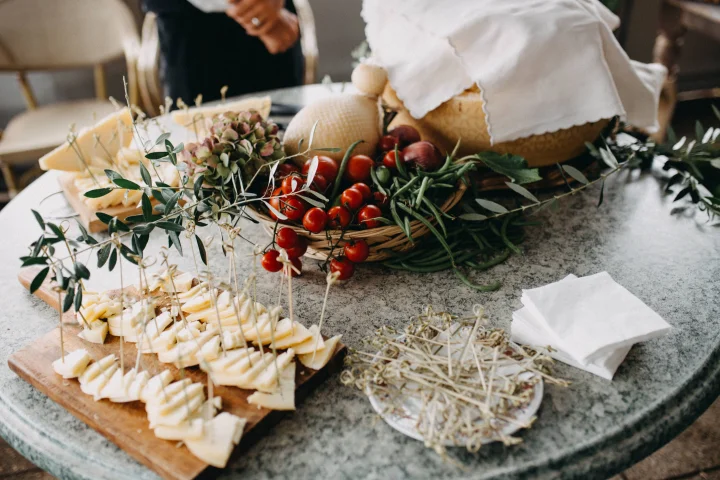
Traditional Cretan dishes centre around dakos, lamb with stamnagathi, boureki, and kalitsounia, each representing centuries of local culinary evolution. These dishes showcase the island's exceptional ingredients and reflect its pastoral and agricultural heritage through distinctive preparation methods.
Dakos, perhaps the most iconic Cretan dish, consists of hard barley rusks topped with grated tomato, mizithra cheese, and generous amounts of olive oil. This simple combination represents the essence of Cretan cooking: quality ingredients prepared with minimal intervention to let their natural flavors speak.
Lamb with stamnagathi combines tender meat with the island's beloved wild greens. The stamnagathi adds a slightly bitter, complex flavor that complements the rich lamb, whilst the cooking method ensures both ingredients retain their distinct characteristics.
Boureki, a layered dish of courgettes, potatoes, and cheese, demonstrates the Cretan approach to vegetable cookery. Baked slowly until golden, it transforms simple ingredients through careful seasoning and the liberal use of local olive oil.
Kalitsounia, small cheese-filled pastries that can be sweet or savoury, showcase Crete's exceptional cheese-making traditions. Whether filled with mizithra and herbs or sweetened with honey, they reflect the versatility of local ingredients and traditional baking techniques.
Which Cretan ingredients and products are considered the best in Greece?
Crete produces Greece's finest extra virgin olive oil, graviera cheese, and barley rusks, along with exceptional wild herbs and honey. These products are celebrated throughout Greece for their superior quality, traditional production methods, and distinctive flavours that reflect the island's unique terroir. Cretan olive oil stands as the island's most renowned export, consistently ranking among the world's best. The island's ancient olive groves, some over 1,000 years old, produce oil with exceptionally low acidity and complex flavour profiles. The combination of ideal climate, traditional harvesting methods, and indigenous olive varieties creates oil that Greek chefs across the country specifically seek out.
Graviera cheese from Crete represents the pinnacle of Greek cheese-making. Made from sheep and goat milk using methods unchanged for centuries, it develops a rich, nutty flavour that intensifies with age. It holds protected designation status and is considered superior to graviera produced elsewhere in Greece.
The island's barley rusks, known as paximadia, are crafted using traditional double-baking methods that give them their characteristic texture and extended shelf life. They form the foundation of dakos and numerous other dishes, prized for their ability to absorb flavours whilst holding their shape.
Cretan wild herbs, including dittany and mountain tea, grow in the island's mountain environments and are sought after throughout Greece for their potency and purity, used both culinarily and medicinally.
What role does olive oil play in authentic Cretan cooking?
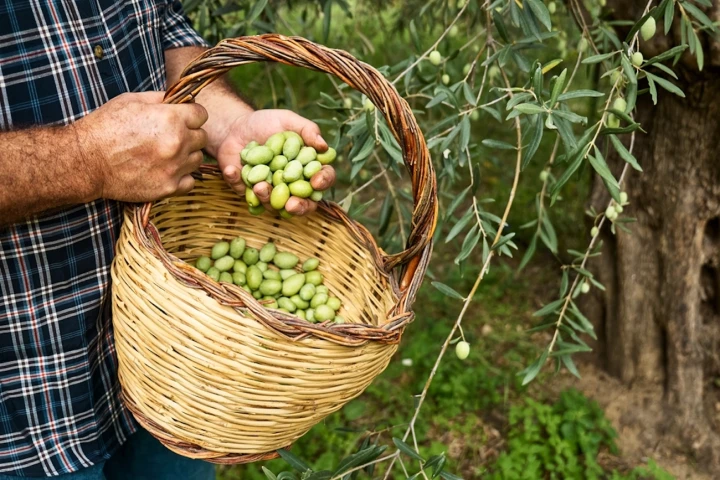
Olive oil serves as the cornerstone of authentic Cretan cooking, used not just as a cooking medium but as a primary flavour component in nearly every dish. Unlike many cuisines where oil serves merely as a cooking fat, Cretan cooking treats it as an essential ingredient in its own right.
It is drizzled generously over finished dishes, used to dress salads and vegetables, and forms the base for numerous traditional preparations. The oil's quality directly impacts the final dish's flavor, making the choice of oil central to authentic results.
The island produces several distinct olive oil varieties, each with unique characteristics. Koroneiki olives yield oil with intense, peppery notes, whilst Tsounati varieties produce milder, fruitier oils. Traditional cooks select different oils for different purposes, understanding how each variety enhances specific dishes.
Cretan olive oil production emphasizes minimal processing to preserve maximum flavor and nutritional value. Many producers still use traditional stone mills and hydraulic presses, avoiding the high temperatures that can compromise oil quality. This careful approach creates oils with exceptional antioxidant levels and complex flavor profiles that industrial processing cannot replicate.
Where can you experience the most authentic Cretan food culture?
Authentic Cretan food culture thrives in village tavernas, local markets, and family-run establishments away from tourist centres. Traditional kafeneia, mountain villages, and local festivals offer genuine experiences where culinary traditions remain unchanged by commercial tourism.
Village tavernas in inland communities like Anogia, Archanes, and Zaros serve food prepared using traditional methods and local ingredients. These establishments often source produce from their own gardens and nearby farms, and the owners frequently cook recipes passed down through generations.
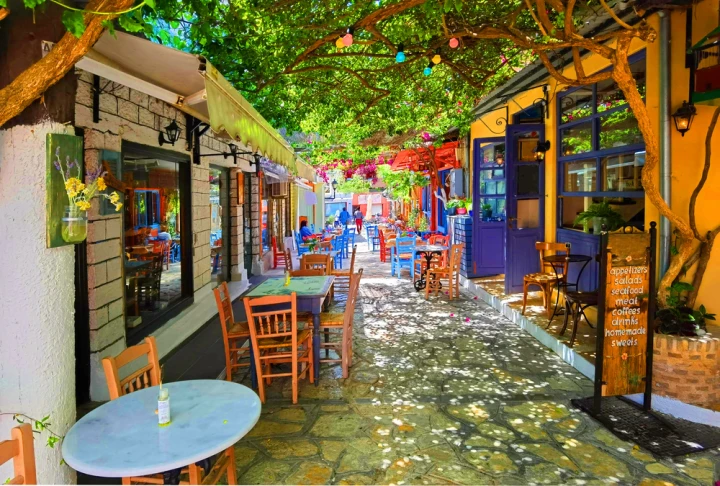
Local markets in Chania, Rethymno, and Heraklion provide direct access to authentic ingredients and traditional products. Here, local producers sell wild greens, artisanal cheeses, and small-batch olive oils that form the foundation of genuine Cretan cooking.
Mountain villages during religious festivals or local celebrations offer unparalleled insight into authentic food culture. Events like village panigiri feature communal cooking using traditional methods, with dishes prepared in large quantities using time-honored techniques.
Family-run establishments that have operated for generations maintain authentic cooking standards through necessity rather than choice. These venues often feature limited menus based on seasonal availability and traditional recipes, experiences that reflect genuine local food culture rather than adapted tourist expectations.
How has Cretan cuisine influenced the broader Mediterranean diet?
Cretan cuisine provided the foundation for modern understanding of the Mediterranean diet through landmark health studies conducted on the island. The traditional Cretan eating patterns, emphasizing olive oil, wild greens, and minimal processing, became the model for what nutritionists worldwide now recognize as optimal Mediterranean nutrition.
The Cretan emphasis on wild greens introduced the concept of nutrient-dense, foraged foods to broader Mediterranean dietary thinking. Many of the island's traditional greens contain higher levels of omega-3 fatty acids and antioxidants than cultivated vegetables, contributing to the diet's exceptional health profile. Modern Mediterranean diet guidelines continue to reference traditional Cretan eating patterns, particularly the generous use of olive oil, the inclusion of diverse plant foods, and the practice of eating seasonally.
For those thinking about buying property in Crete, the island's food culture is part of daily life, not just something for tourists. If you'd like to know more about living and owning property here, feel free to contact us. Our team is happy to help!
Disclaimer: This content is for informational purposes only and does not constitute legal or tax advice. For specific cases, we recommend consulting a lawyer, accountant, or notary depending on your needs.