Skip to content

Is Public Transport Good in Crete?

Regional Guides

01.10.2025

For an island of its size, Crete is well served by public transport along its main routes. The KTEL bus network connects the major northern cities reliably and affordably, and reaches many popular destinations during the summer. The picture is different in the mountainous interior and along the south coast, where services thin out and a car becomes more practical. This guide covers what to expect and how to plan around the network's strengths and limitations.

How the network is organised

Crete has no railway, so public transport on the island means buses. The KTEL network is run by two branches: KTEL Chania-Rethymno covers the west of the island, including Chania, Rethymno, and connections to destinations like the Samaria Gorge and Elafonissi. KTEL Heraklion-Lasithi covers central and eastern Crete, including Heraklion, Agios Nikolaos, Ierapetra, and Sitia.


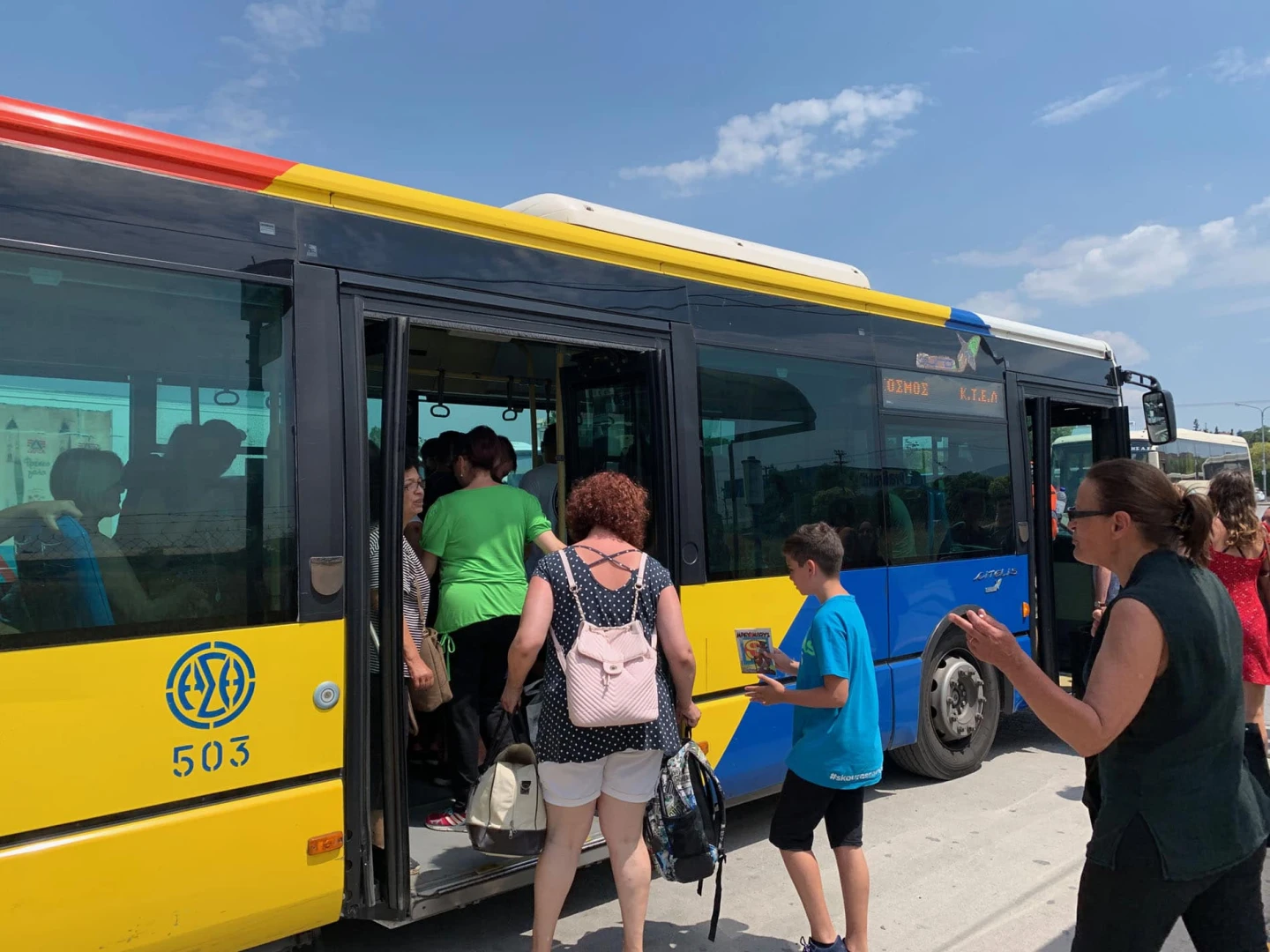
The four main intercity hubs are Heraklion, Chania, Rethymno, and Agios Nikolaos. Buses are modern, air-conditioned, and have luggage space, making them comfortable for longer journeys between cities or transfers from the airport with suitcases.

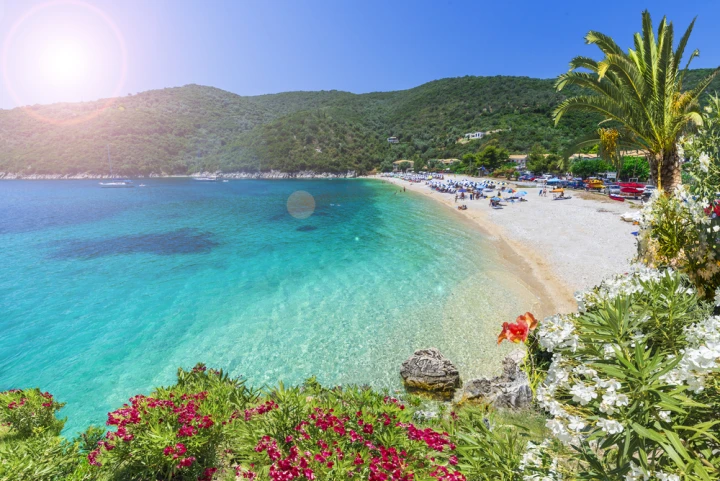
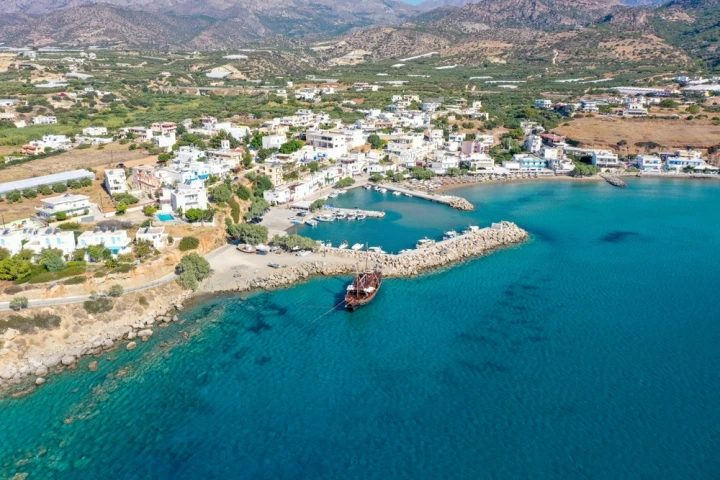
Makrygialos, Crete

The north coast is the best-connected corridor

The northern coastal route linking Chania, Rethymno, and Heraklion is the busiest and most reliable on the island. Buses run roughly every 30 to 60 minutes between Chania and Rethymno, and approximately hourly between Rethymno and Heraklion. Intercity services along the north generally operate daily from early morning until late evening.


Heraklion Airport is well connected to the city, with buses to the central bus station running every 10 to 20 minutes and taking around 20 minutes. From Heraklion's main station, you can connect onward to Chania, Rethymno, Agios Nikolaos, Ierapetra, Sitia, Malia, Matala, and many south coast towns. Chania Airport also connects directly to Chania city centre in around 25 minutes.

Reaching the south coast and the east

Rethymno is the key hub for reaching the south coast, with services to Plakias, Agia Galini, Spili, Preveli, and Triopetra. These run less frequently than the north coast routes but remain reliable during summer.


In the east, Agios Nikolaos connects to Elounda, Plaka (for Spinalonga), Sitia, Ierapetra, and the small villages around Mirabello Bay. Frequency varies, with noticeably fewer departures in winter.


Some destinations require a connection. To reach the Sfakia region on the south coast, for example, you travel toward Chania and change buses at the village of Vryses. The direct bus from Chania to Chora Sfakion runs three to four times a day and takes around one hour and 45 minutes.

What it costs

KTEL fares are distance-based and affordable. Urban tickets in Chania cost around €1.20 for the inner zone and €1.60 for the wider zone. Suburban and intercity fares range from around €2.50 for short trips up to approximately €16 for the longest routes, such as Chania to Heraklion. As examples from Rethymno, a trip to Plakias costs around €5 and to Chania airport around €8.

Practical tips

A few things make bus travel in Crete smoother. Buy tickets in advance at stations or via online booking, and arrive a little early as departures are generally punctual. Morning departures tend to be the most reliable. Schedules change seasonally and winter services are reduced, particularly on rural and south coast routes, so always check current timetables before travelling.


For remote beaches, mountain villages, and the southern interior, public transport coverage is limited. In these areas a rental car, taxi, or organised tour is often the only practical option. Car rental in particular remains popular for travellers who want to explore Crete's less accessible corners.


The official timetables are published by the two KTEL operators: KTEL Heraklion-Lasithi at ktelherlas.gr for central and eastern Crete, and KTEL Chania-Rethymno at e-ktel.com for the west.

Why this matters for property buyers

If you are considering buying a holiday home or relocating to Crete, transport connectivity is worth factoring into your choice of location. Properties along the well-served northern corridor offer easier access to cities, airports, and amenities without necessarily relying on a car, which can be particularly relevant for those planning to spend extended periods on the island. More remote locations offer privacy and lower prices but generally require a vehicle for day-to-day life.


This content is for informational purposes only and does not constitute legal or tax advice. For matters specific to your situation, we recommend consulting a lawyer, accountant, or notary as appropriate.

You might also like