What Do Evenings Actually Look Like?
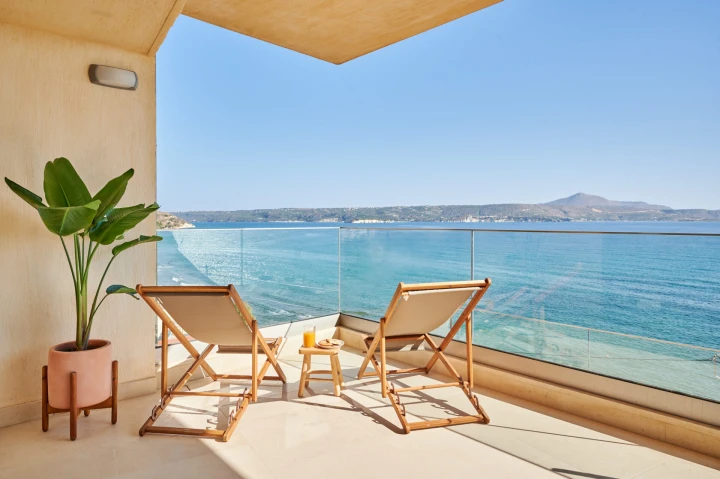
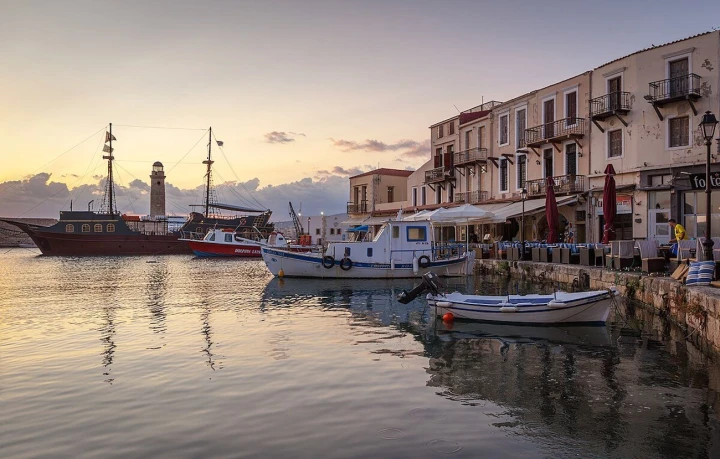
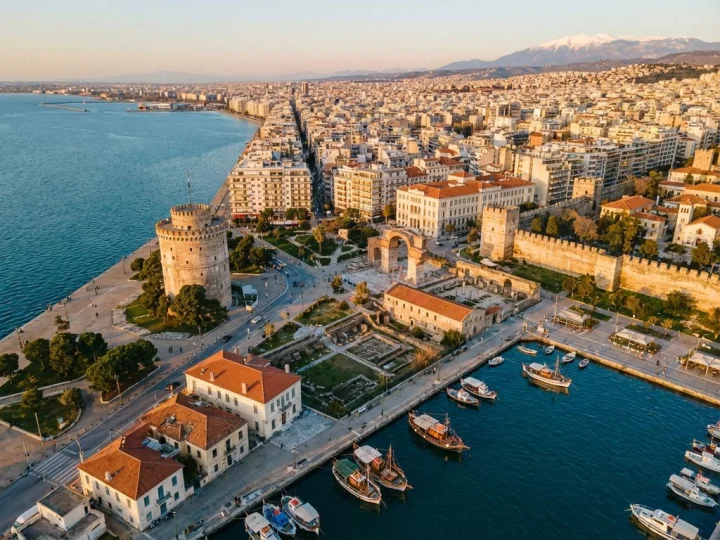
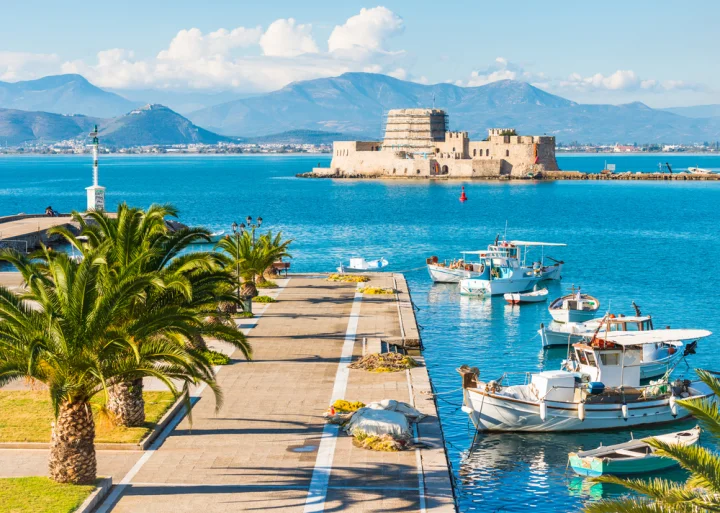
The default Peloponnesian evening is a long dinner that starts late and ends later: a waterfront taverna in Nafplio, Gythio, or Pylos, fresh fish, local wine, and quite possibly live music drifting over from the next table's celebration. The towns add their own layers. Nafplio, one of Greece's most elegant small cities, has a proper bar scene tucked into its old town and a marble-paved evening volta that everyone joins. Kalamata, a working city of around 70,000, keeps its cafes, wine bars and waterfront alive year-round, helped by the fact that it answers to residents rather than tourists. Patras, in the north, is a major university city with the nightlife to match and a carnival each spring that is the largest in Greece. And then there is the Peloponnese's genuinely unrepeatable night out: a classical performance in the ancient theatre of Epidaurus, where the summer Athens Epidaurus Festival stages drama in a 2,300-year-old auditorium under the open sky. No beach club anywhere offers a better evening.
How Does It Compare To Mykonos Or Ios?
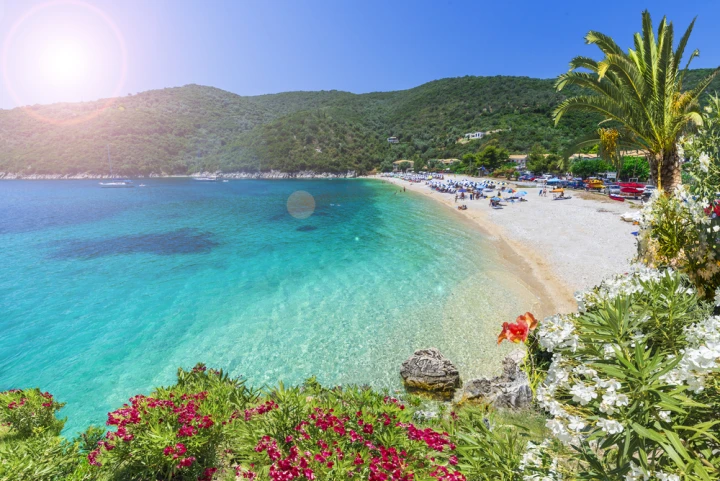
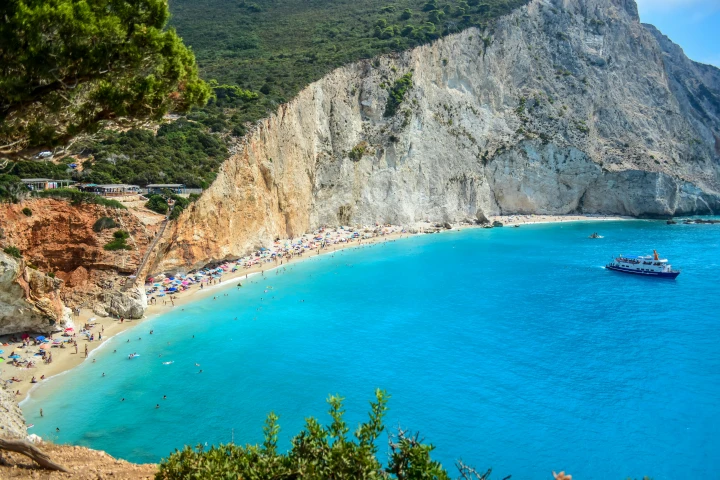
They are different products for different buyers, and there is little overlap. The party islands sell intensity: beach clubs, international DJs, a crowd in its twenties, and prices set accordingly. The Peloponnese sells depth: archaeological sites of world importance, landscapes from alpine to Caribbean-adjacent (the beaches of the Mani and Messinia hold their own against any island), and a visitor mix of families, couples and travellers more interested in where Agamemnon ruled than where the after-party is. Accommodation reflects the difference too: restored stone guesthouses and quiet resorts rather than party hotels, at prices substantially below Mykonos or Santorini for comparable quality. Neither model is superior; they simply attract different people. The relevant question is which one you are.
What Draws People Here Instead?
Range and authenticity, in unusual measure. Within a few hours' drive you can stand in the stadium at Olympia, walk the Lion Gate at Mycenae, swim below the Byzantine ghost town of Mystras's living cousin Monemvasia, and eat in a mountain village where the menu is whatever was cooked that morning. The peninsula is connected to Athens by a modern motorway, which makes it the rare corner of "deep Greece" that does not demand a ferry, and Kalamata's international airport adds direct seasonal connections to Northern Europe. Because tourism here never industrialised the way it did on the islands, the everyday culture is intact: olive harvests, village festivals, wine from family vineyards. Visitors are guests in a functioning society rather than customers in a resort, and for a certain kind of traveller that is precisely the point.

 Regional Guides