
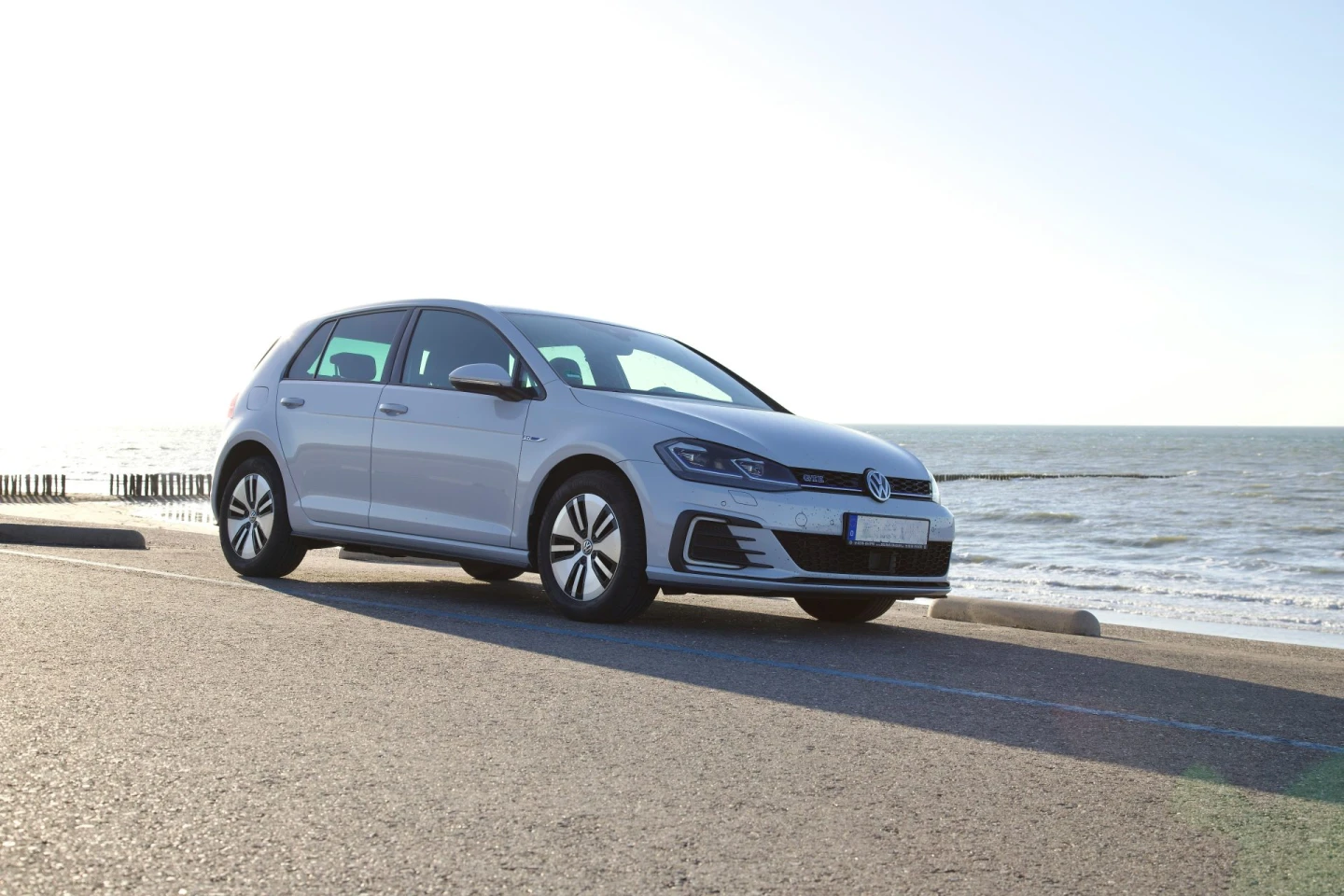
A car is not strictly necessary to explore Crete, but it makes a considerable difference to how much of the island you can see and at what pace. Public transport connects major cities and popular destinations reliably enough, and taxis or organized tours can work well for specific trips or day excursions.
Where a car becomes valuable is beyond the main routes. Remote beaches, mountain villages, and archaeological sites that sit away from tourist corridors are difficult to reach without one. The freedom to leave when you want, stop where you want, and change plans on the go is something that scheduled transport cannot offer.
What are your main transportation options for getting around Crete?
Crete offers several ways to get around, depending on travel style and budget. Car rental gives the most flexibility, allowing you to set your own schedule and reach locations that public transport does not cover. Major international and local companies operate from airports and city centers, with a range of vehicles from economy cars to larger family options. The ability to stop at scenic viewpoints, visit multiple beaches in one day, and access more remote areas makes this the preferred choice for many visitors. The KTEL bus system provides a reliable and economical alternative, connecting Heraklion, Chania, Rethymno, and Agios Nikolaos with regular services. Routes extend to popular beaches and tourist attractions, though schedules can be limited during the off-season. Taxis offer door-to-door convenience for shorter distances or one-off trips, while organized tours combine transport and guiding in one, which suits those who prefer a more structured experience. Within cities and along certain coastal routes, walking and cycling are practical options, particularly where dedicated paths are available.
How reliable and extensive is public transportation in Crete?
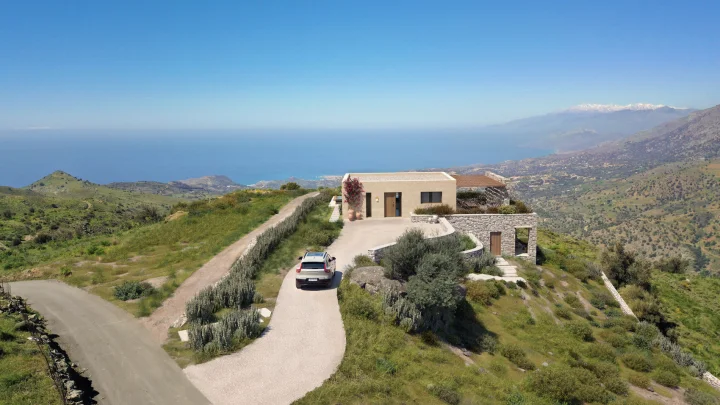
Public transport in Crete centers around the KTEL bus network, which provides connections between major cities and tourist destinations. Services run frequently during summer months, with reduced schedules in winter. The system covers main coastal roads effectively but may have limited access to remote mountain villages and secluded beaches. On main routes, services are reliable, with air-conditioned vehicles and regular departures. During peak summer periods, delays can occur due to traffic congestion in tourist areas. Winter schedules operate on reduced timetables, so it is worth checking routes and timings in advance. Tickets are available at stations or on board.
What are the real costs of car rental versus other transport methods in Crete?
Transportation costs in Crete vary based on your chosen method and travel duration. Car rental involves a base daily rate, which tends to be higher during peak summer months, along with fuel, insurance, and parking. Parking in major cities may carry a daily charge, while most beaches and attractions offer free parking. Toll roads exist but are not a significant cost factor on the island. Taxi services operate on regulated rates, making them reasonably predictable for budgeting. Short urban trips are generally affordable, while longer journeys to remote beaches or airports will cost more. KTEL bus fares are fixed and low per journey, making them the most cost-effective option for getting between major towns and popular destinations. Organized tours include transport within the package price, which can work out well when the itinerary covers multiple stops or includes guided experiences. It is worth comparing the total cost against independent travel depending on your plans.
Which parts of Crete can you easily explore without a car?
Many of Crete's highlights are accessible without a car, particularly the major cities, popular beaches, and well-known historical sites. For visitors focusing on established tourist areas, public transport and walking cover most needs. Heraklion, Chania, Rethymno, and Agios Nikolaos all have centers that are easy to explore on foot. Museums, archaeological sites, restaurants, and shops sit within walkable distance in each. Heraklion's Knossos Palace is served by regular bus connections, while Chania's Venetian harbor and old town require nothing more than a short walk from most central accommodation. Popular beaches such as Falassarna, Elafonisi, and Vai have regular bus services during the tourist season. Many accommodation providers also offer shuttle services to nearby beaches and attractions. Organized day trips are another practical option, combining transport and guided experiences to destinations such as Samaria Gorge, Spinalonga Island, or traditional mountain villages. Some coastal areas also have walking and cycling paths connecting resorts, making short excursions between neighboring spots straightforward.
When does having a car become essential for your Crete experience?
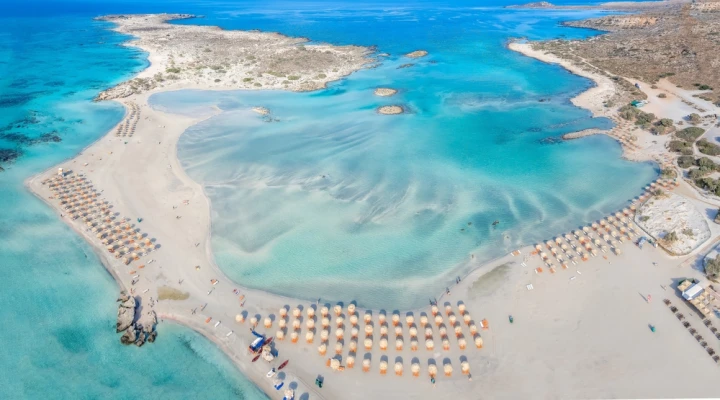
A car becomes more or less essential when your itinerary includes remote locations, flexible scheduling, or areas with limited public transport. Mountain villages, secluded beaches, and smaller archaeological sites are difficult to reach without one. Families with young children or travellers with mobility considerations also tend to find a car the more practical option. Remote beaches such as Seitan Limania, Kedrodasos, and hidden coves along the south coast have no bus connections. Mountain villages like Archanes, Zaros, and traditional settlements in the Lasithi Plateau require private transport, as do lesser-known Minoan sites and Byzantine churches scattered across the countryside.
For those who want to make decisions based on light, weather, or simply changing plans mid-day, having a car makes that possible. Visitors staying in villa accommodation or rural locations will also find a car necessary for grocery shopping, restaurant access, and general day-to-day mobility. For those considering buying property in Greece, a car allows for a more thorough look at different regions and neighbourhoods before making a decision.
What should you know about driving and parking in Crete?
Driving in Crete requires some awareness of local road conditions, traffic patterns, and parking. The main coastal highways connecting major cities are well-maintained and clearly signposted in both Greek and English. Mountain roads can be narrow and winding, and require reduced speeds and attention to oncoming traffic. Parking in city centres often involves paid zones during daytime hours, while most tourist attractions and beaches offer free parking. Petrol stations are widely available along main routes, though rural areas may have fewer options. Having offline navigation maps downloaded is worth doing before heading into less visited areas.
Whether you opt for a rental car or public transport, the right choice depends on your itinerary, budget, and how much of the island you want to cover. For those considering buying property in Crete, feel free to contact us, and our team will be happy to help.
Disclaimer: This content is for informational purposes only and does NOT constitute legal or tax advice. For any issues relating to specific cases, it is highly recommended to consult a lawyer, an accountant or a notary depending on your needs.