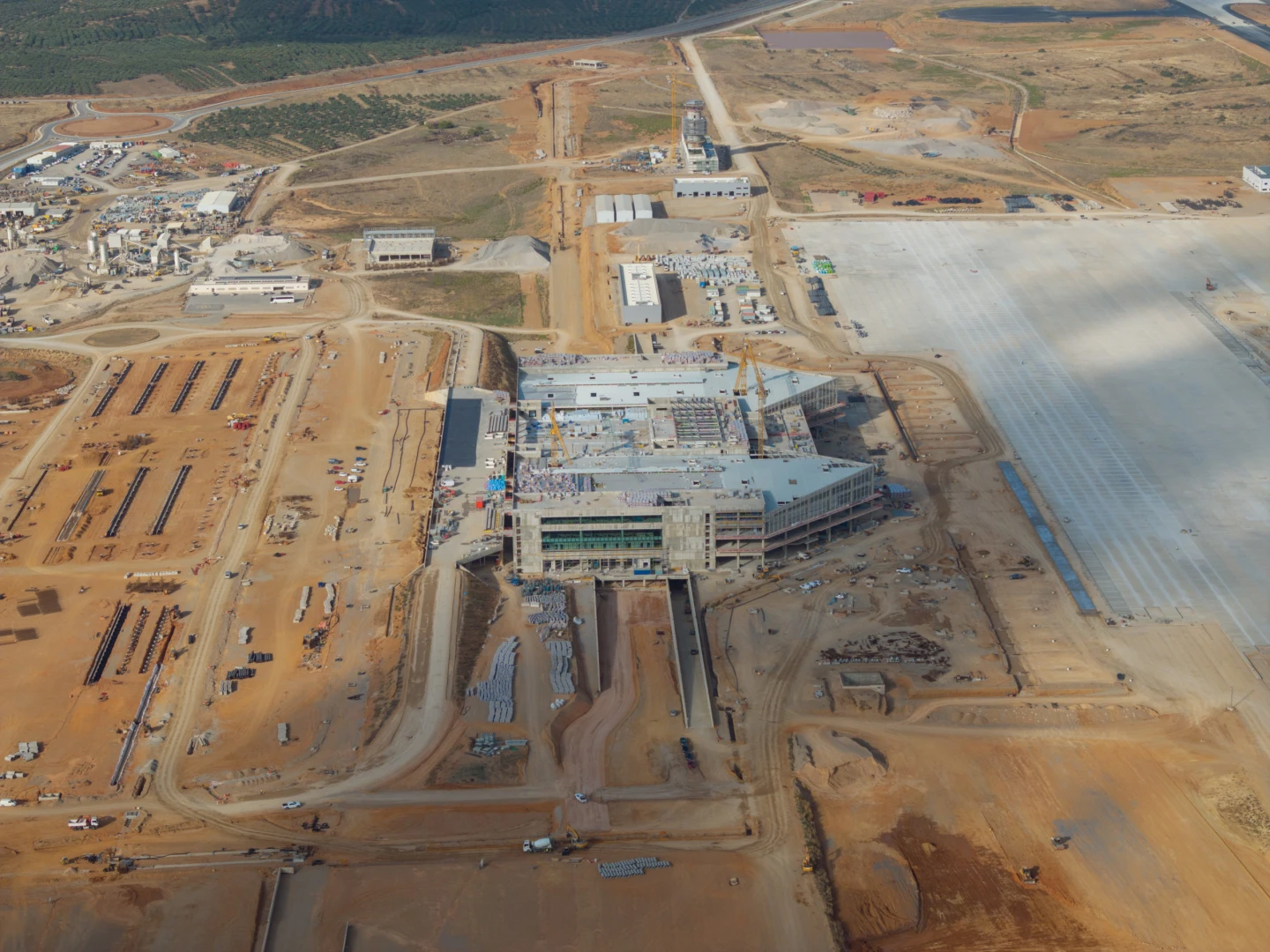
Kastelli Airport: Crete’s New Gateway Reaches Final Stages
05.12.2025

Crete is already one of the Mediterranean’s most loved island destinations, but its future looks even brighter. With the construction of the new Kastelli Airport entering its final phase, the island is preparing for one of the most important infrastructure upgrades in its history. More than a transportation project, the airport is expected to reshape tourism, accessibility, and long-term investment opportunities across Crete.
For anyone considering buying a home or investing in Greek real estate, this development marks a turning point, one that will enhance value, connectivity, and the overall experience of living or holidaying on the island.
A State-of-the-Art Airport for a Continuously Growing Island
The current Heraklion Airport, “Nikos Kazantzakis,” has long struggled with capacity. Crete’s popularity keeps rising, and with it the demand for better, more modern infrastructure. The Kastelli Airport Crete project, a €625 million investment, is designed to meet exactly that need.
Located inland from Heraklion, the new airport will feature a 3,200-meter runway, advanced taxiways, and a seven-level terminal covering 93,000 square meters. It is expected to support 11 million passengers during its first year of operation, with a long-term projection of nearly double that number over the 30-year concession period. In simple terms, Crete will soon have an airport fully aligned with the island’s potential.
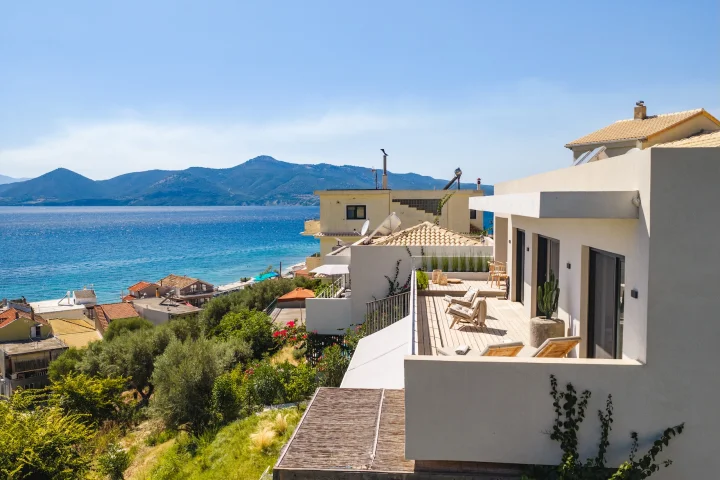
As the new airport is expected to significantly boost demand for high-quality homes, especially in areas with easy access, projects like Olivion Villas in Rethymno reflect exactly the type of modern real estate that will benefit from this development. This boutique collection of 11 villas blends contemporary architecture with Crete’s natural beauty.

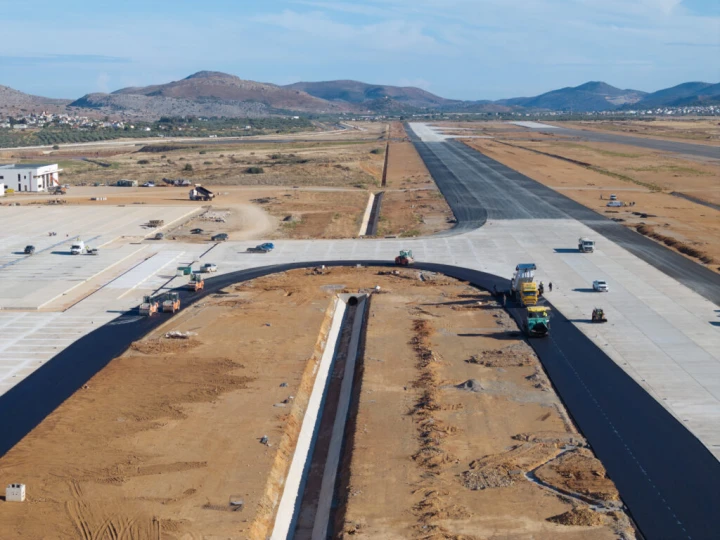
Construction Progress: Over 65% Complete
As of late 2025, construction has passed 65% completion, with major structural works already in place:
- The terminal building and control tower structures are well advanced. - Runway and taxiway pavement works have reached 96%.
- Indoor mechanical, electrical, and baggage-handling systems are being installed.
- New road connections, including an 18-km highway to the Northern Road Axis (BOAK), are progressing at 85%.
The first test flights are scheduled for 2027, marking the beginning of the transition to full commercial operation. If all goes smoothly, the new airport may welcome its first travellers before the end of that year.
Even with challenges such as the placement of radar systems and archaeological findings requiring additional tunnel construction, the overall momentum remains strong and steady.

Designed for Modern Travel and Future Growth
What makes Kastelli Airport particularly exciting is not only its scale, but its vision.
The airport is designed as a regional aviation hub, capable of serving larger aircraft and long-haul routes. This more efficient and spacious facility will enable airlines to expand connections, potentially including direct flights from the U.S., Canada, and other key markets.
Alongside the terminal itself, the project includes:
- A large aircraft apron with dedicated spots for general aviation and helicopters
- Ten operational facilities (fire services, maintenance, police, power systems, wastewater treatment, and more)
- An underground hydrant fuel system
- Parking for cars, buses, taxis, and motorcycles
- A 400,000 sqm commercial zone that will stimulate business development around the airport
This infrastructure is designed with growth in mind, ensuring Crete’s tourism sector can continue to flourish for decades.
With infrastructure upgrades driving higher demand, projects such as Candia Villas 2 illustrate the type of developments poised to grow in value.

A Major Boost for Crete’s Tourism and Economy
Tourism is Crete’s economic heartbeat. Today, the island attracts millions with its beaches, culture, cuisine, and welcoming lifestyle. Kastelli Airport significantly strengthens this foundation.
By improving travel efficiency and creating space for more flight connections, the new airport will:
- Support year-round tourism
- Reduce congestion and delays
- Improve the visitor experience
- Encourage airlines to extend the tourist season
- Attract new business, hospitality, and retail investments
For an island that already sees increasing international interest, improved accessibility is a powerful accelerator.
Kastelli Airport: A New Chapter for Crete
The creation of Kastelli Airport Crete marks a milestone. It’s not just about handling more passengers; it’s about preparing Crete for a sustainable, modern future. From advanced infrastructure to expanded international reach, the island is entering a new era of growth.
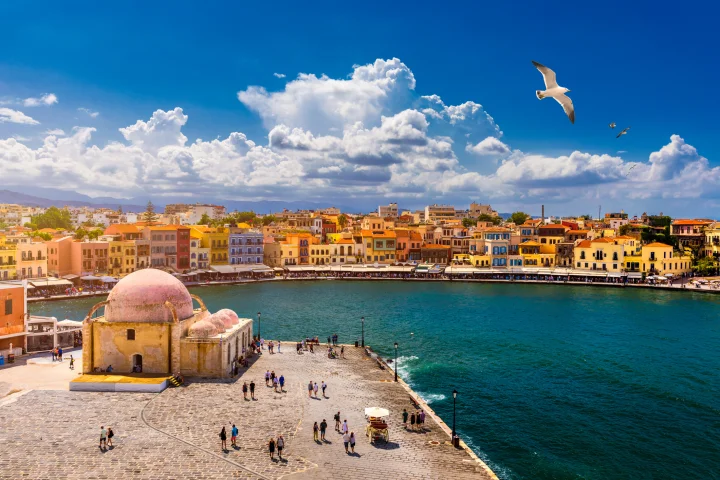
For travellers, property buyers, investors, and those dreaming of a home under the Cretan sun, this development brings reassurance: Crete is investing in its future… and in yours.
You might also like
- Read more
07.04.2026
Why Has Selling Property in Greece Become More Complex in Recent Years?
For decades, property ownership and transactions in Greece operated within a framework that, while formally legal, often failed to reflect reality. Until around 2010, notaries were generally required to describe properties in contracts strictly according to the approved building permit (oikodomiki adeia). In theory, this ensured legal consistency and documentary certainty. In practice, however, it created a system in which the official description of a property could diverge significantly from its actual physical condition.
This gap between documentation and reality became one of the defining weaknesses of the Greek property system. It affected not only legal certainty, but also taxation, urban planning, and the reliability of real estate transactions. In recent years, Greece has responded through a dual transformation: first, by creating a legislative framework for the declaration and legalization of unauthorized constructions; and second, by introducing a series of digital reforms intended to produce a more accurate, transparent, and immediately accessible record of property ownership and status. Although these reforms have, for the time being, introduced new layers of procedural complexity and what many describe as a form of “digital bureaucracy,” they are also laying the foundation for a more coherent and efficient system in the future.Market Insights
- Read more
06.04.2026
How to Sell a House in Greece: Common Mistakes to Avoid
Selling a home sounds simple enough on paper: list it, show it, sell it. In real life, it is rarely that easy. A property can be beautiful, well-located, and full of potential, yet still sit on the market for far longer than expected. Not always because the market is slow, and not always because buyers are not interested. Very often, the real issue is in the way the property is being presented, priced, or prepared for sale. In today’s property market of Greece, especially in cities like Athens and Thessaloniki, buyers are more informed and selective than ever.
The good news is that most seller mistakes are avoidable. And no, we are not talking about anything dramatic here. More often, it is a series of small decisions that quietly chip away at a property’s appeal. Here are some of the most common mistakes sellers make when trying to sell their house in Greece — and how to avoid them.Market Insights
- Read more
17.03.2026
Residence Permits in Greece: A Complete Overview
If you are considering living in Greece, understanding your residence permit options is essential. If you are a citizen of an EU/EEA country or Switzerland, you do not need a residence permit to live in Greece, although you may need to register your stay if you plan to remain long-term. For non-EU citizens, Greece offers several residence pathways, each designed for different profiles, including investors, financially independent individuals, and remote workers. This article provides an overview of the main residence permit options available, including the Golden Visa, as well as alternative routes.
Market Insights
- Read more
05.03.2026
Greece's 7% Flat Tax for Foreign Pensioners: Everything You Need to Know
Market Insights
- Read more
05.03.2026
Everything You Need to Know Before Building Your Own House in Greece
For many people, building a home in Greece is both an exciting dream and a complex undertaking. From finding the right plot to navigating permits and coordinating professionals, the process can feel overwhelming –especially for foreign investors unfamiliar with Greek legislation and bureaucracy.
This comprehensive guide explains everything step by step, outlining not only what you need to do but also the challenges you may face, so you can begin your journey fully prepared.
Market Insights
- Read more
05.03.2026
Airbnb Rules in Greece in 2026: What Buyers and Property Owners Should Know
Market Insights
- Read more
16.02.2026
Long-Term Rentals in Greece: Rules, Income, and Legal Requirements
Greece has long been a favourite destination — and increasingly, foreigners are choosing not only to spend holidays here, but to invest in property as well. Many owners rent out their homes, either short-term or long-term, as a way to generate income.
Renting out a home in Greece can offer attractive returns, but for new owners, the rules, taxes, and legal requirements can feel confusing at first.
If you are interested in understanding how short-term rentals work, we have a separate guide you can find here.
For those considering a long-term lease, understanding the legal framework is essential. Below, you’ll find everything you need to know about expected income, documentation, taxes, and property management options.
Market Insights
- Read more
09.02.2026
Greece Air Travel: A Turning Point & What 2026 Brings for Property Buyers
When people think about buying property in Greece, they usually focus on location, views, lifestyle, and price. One factor that often gets overlooked, until it suddenly matters, is air connectivity.
How easy is it to reach your home? How long does the season last? Can friends, family, or renters get there without complicated travel?In 2025, Greece reached a major milestone that answers all these questions in a very positive way: air traffic fully recovered to pre-pandemic levels, placing the country among Europe’s strongest aviation and tourism markets. And the outlook for 2026 suggests that this momentum is not slowing down. For property buyers, this is a clear signal of long-term demand, accessibility, and value. In a previous article, which you can find here, we highlighted the improvements in air connectivity across Greece.
Market Insights


.webp)