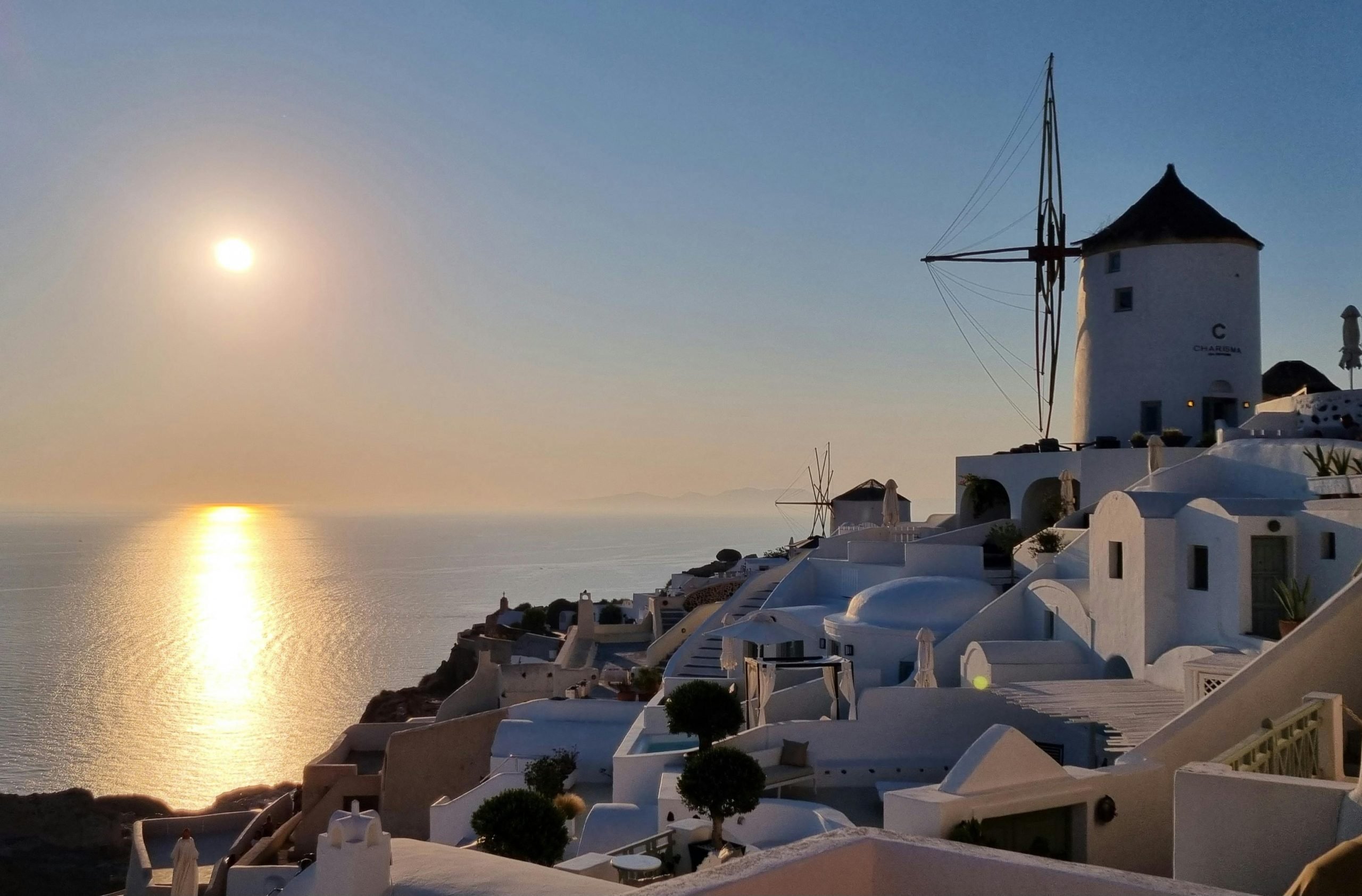
Corfu offers some of the best property areas for international buyers seeking Greek island real estate investment. The most desirable locations include Paleokastritsa and Kassiopi for coastal luxury, Corfu Town for urban sophistication, and traditional villages like Lakones for authentic charm. Each area provides distinct advantages in terms of lifestyle, rental potential, and long-term value appreciation.
What makes Corfu an attractive destination for property buyers?
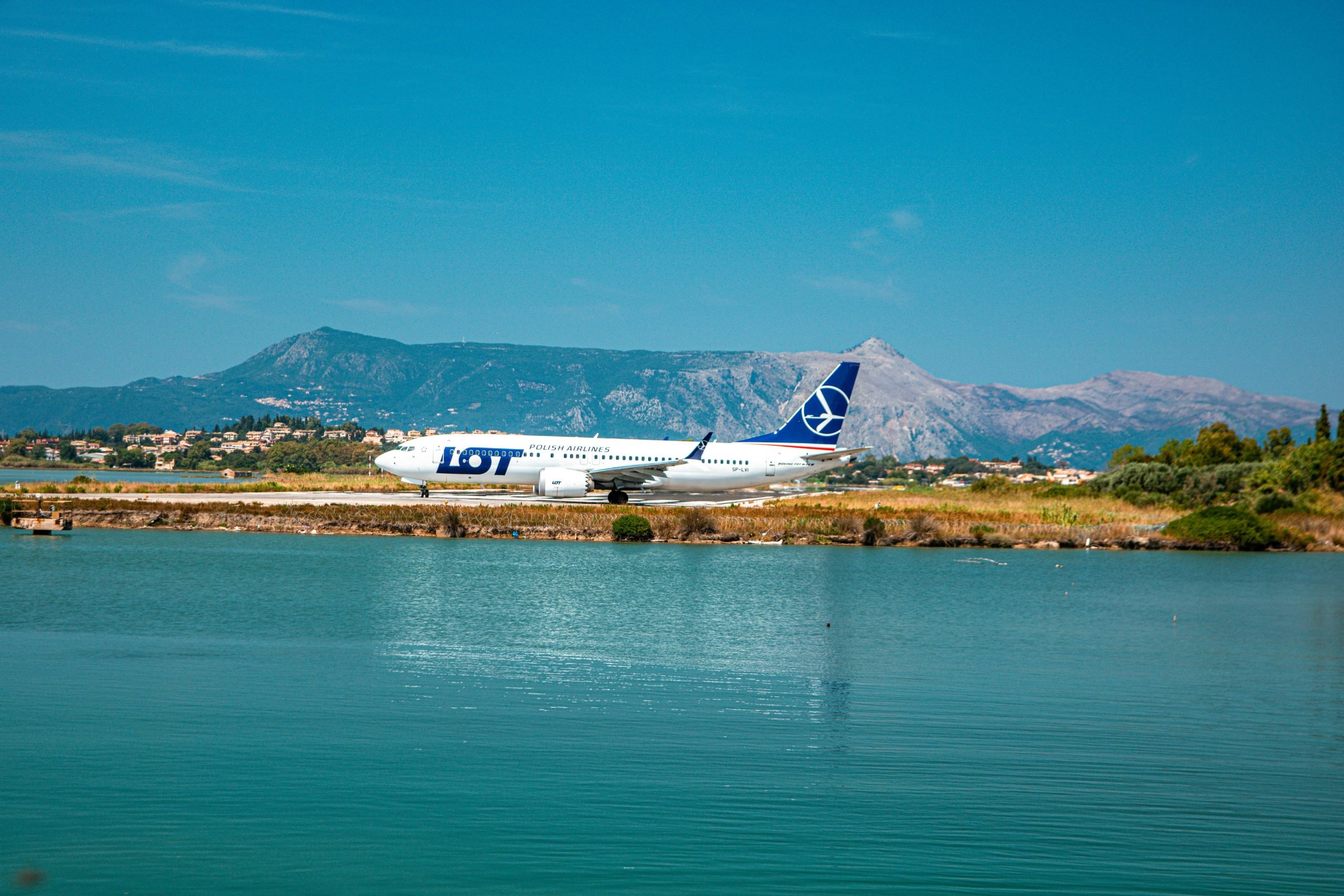
Corfu combines strategic location advantages with exceptional tourism infrastructure, making it one of Greece’s premier destinations for real estate investment. The island’s position in the Ionian Sea provides easy access to mainland Europe through regular ferry connections and international flights, while maintaining the authentic Greek island atmosphere that attracts millions of visitors annually.
Το νησί UNESCO World Heritage status for Corfu Town ensures protected cultural significance and sustained international interest. This designation, combined with the island’s Venetian, French, and British architectural influences, creates a unique property market that appeals to buyers seeking both holiday homes and investment opportunities.
Corfu’s well-developed infrastructure includes modern healthcare facilities, international schools, and reliable utilities, making it suitable for both seasonal and permanent residence. The island’s established tourism sector provides strong rental demand throughout the extended season from April to October, with many coastal areas maintaining occupancy rates above 80% during peak months.
Property buyers benefit from Greece’s competitive transfer tax rate of 3.09%, significantly lower than in many other European destinations. The island also offers Golden Visa opportunities for non-EU investors, providing EU residency rights for qualifying property purchases above €250,000.
Which areas of Corfu offer the best value for money?
The inland villages of central Corfu provide exceptional value for money, offering authentic Greek properties at prices 40–60% lower than coastal equivalents. Areas like Doukades, Makrades, and Krini feature traditional stone houses with renovation potential, often priced between €80,000 and €150,000 for substantial properties with land.
The southern peninsula around Lefkimmi and Kavos presents emerging investment opportunities, with property prices remaining accessible as infrastructure improvements continue. These areas offer larger plots and newer construction options at competitive rates, making them attractive for buyers seeking space and growth potential.
Northern mountain villages such as Old Perithia and Strinilas provide unique opportunities for buyers interested in restoration projects. These locations offer panoramic views and historical significance while maintaining lower acquisition costs. Many properties in these areas qualify for renovation grants through EU rural development programmes.
The west coast areas of Agios Gordios and Pelekas offer convenient coastal access without premium pricing. Properties here typically cost 20–30% less than prime beachfront locations, while still providing sea views and tourist amenities within walking distance.
What are the most popular coastal areas for buying property in Corfu?
Paleokastritsa is Corfu’s most prestigious coastal area, featuring dramatic clifftop locations and crystal-clear waters. Properties here command premium prices but offer exceptional rental potential, with luxury villas achieving €200–€400 per night during peak season. The area’s monastery, beaches, and boat trips ensure consistent tourist appeal.
Kassiopi in the northeast provides a perfect blend of fishing village charm and modern amenities. The harbour location offers a year-round community atmosphere with established expat residents and excellent restaurants. Properties range from traditional fishermen’s houses to modern villas, with strong rental demand from returning visitors.
Nissaki and Kalami on the northeast coast offer quieter sophistication, attracting buyers seeking privacy without isolation. These areas feature pebble beaches, tavernas, and literary connections that appeal to discerning international buyers. Property appreciation has been steady, with many owners reporting 4–6% annual growth.
The Barbati-to-Ipsos stretch provides variety, from secluded coves to livelier resort atmospheres. This coastline offers excellent transport links to Corfu Town while maintaining distinct village characters. Properties here benefit from established rental markets and reliable infrastructure.
How do Corfu Town properties compare to rural village options?
Corfu Town properties offer urban sophistication within a UNESCO World Heritage setting, providing year-round amenities, cultural attractions, and rental opportunities targeting city-break visitors. Apartments in the historic centre range from €150,000 to €500,000, while modern developments outside the walls offer contemporary living close to the old town.
Urban properties benefit from consistent rental demand throughout the year, not just during summer months. The town’s museums, restaurants, shopping, and ferry connections attract visitors in the shoulder seasons, providing property owners with extended rental periods and diverse tenant profiles.
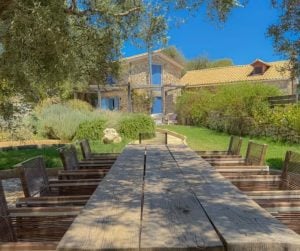
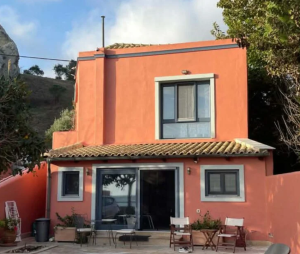
Rural village properties offer authentic Greek lifestyle experiences with significantly more space and privacy. Traditional stone houses often include olive groves, gardens, and panoramic views impossible to achieve in urban settings. Renovation projects can create substantial value appreciation while preserving architectural heritage.
Village properties require greater self-sufficiency but provide deeper cultural immersion. Many rural areas lack immediate access to services, requiring car ownership and careful planning for utilities. However, these locations offer genuine community integration and often feature lower ongoing costs than tourist-focused areas.
The choice depends on lifestyle preferences: urban properties suit buyers seeking convenience and consistent rental income, while rural options appeal to those prioritising space, authenticity, and long-term appreciation potential.
What should foreign buyers know about different Corfu neighborhoods?
Foreign buyers should understand that Corfu’s neighborhoods vary significantly in terms of seasonal activity, infrastructure quality, and community dynamics. Coastal resort areas like Sidari and Roda cater primarily to package tourism, offering high rental yields during summer but limited off-season activity or local services.
Established expat communities exist in areas like Kassiopi, Kalami, and parts of Corfu Town, providing English-speaking support networks and familiar services. These areas often feature international restaurants, English-language publications, and established property management services, making integration easier for foreign owners.
Mountain villages maintain traditional Greek character but may present language barriers and limited tourist infrastructure. However, these areas offer authentic cultural experiences and often welcome foreign residents who respect local customs and contribute to community life.
Property buyers should consider seasonal accessibility, as some mountain roads become challenging during winter months. Coastal areas generally maintain better year-round access but may experience overcrowding during peak tourist periods.
Understanding local planning restrictions is crucial, particularly in protected areas around Corfu Town and designated coastal zones. Some neighborhoods have specific architectural requirements or building limitations that affect renovation possibilities and future development potential. For comprehensive guidance on navigating these regulations and identifying suitable properties, explore our λίστα ιδιοτήτων to see available options across different areas.
Which Corfu areas offer the best rental income potential?
Paleokastritsa and Kassiopi consistently deliver the highest rental yields, with premium properties achieving occupancy rates above 85% during the April–October season. These areas attract repeat visitors willing to pay premium rates for quality accommodation, with luxury villas commanding €250–€400 per night during peak periods.
Corfu Town properties excel in year-round rental potential, attracting cultural tourists, business visitors, and winter residents. Historic apartments can achieve €80–€150 per night with consistent bookings throughout the shoulder seasons, providing more stable income streams than purely seasonal locations.
The Barbati-to-Dassia coastal stretch offers an excellent balance between rental yields and property appreciation. These areas attract family holidaymakers seeking quality beaches at reasonable prices, resulting in good occupancy levels and moderate nightly rates that appeal to broader markets.
Emerging areas like Agios Gordios and Pelekas provide growth opportunities as infrastructure improves and tourist patterns evolve. Properties here offer lower entry costs with increasing rental potential as visitors seek alternatives to overcrowded traditional resorts.
Successful rental properties typically feature sea views, private pools, and proximity to beaches or attractions. Properties with unique characteristics, such as traditional architecture or exceptional locations, command premium rates and benefit from strong repeat bookings that reduce marketing costs and vacancy periods.
Choosing the right Corfu property area requires balancing personal preferences with investment objectives. Whether seeking coastal luxury, village authenticity, or rental income potential, each area offers distinct advantages for discerning buyers. For expert guidance on navigating Corfu’s property market and ensuring legally secure transactions, our experienced team provides comprehensive βοήθεια για την αγορά ακινήτου to help you make informed decisions throughout the buying process.
Αποποίηση ευθυνών: Το παρόν περιεχόμενο προορίζεται μόνο για ενημερωτικούς σκοπούς και ΔΕΝ αποτελεί νομική ή φορολογική συμβουλή. Για οποιαδήποτε θέματα που αφορούν συγκεκριμένες περιπτώσεις, συνιστάται ιδιαίτερα να συμβουλευτείτε δικηγόρο, λογιστή ή συμβολαιογράφο, ανάλογα με τις ανάγκες σας.