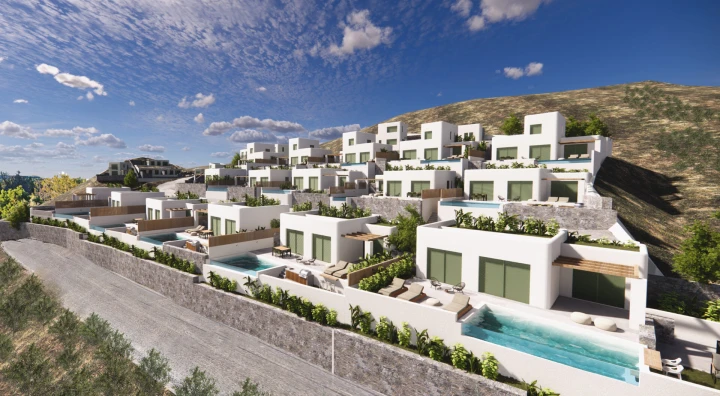
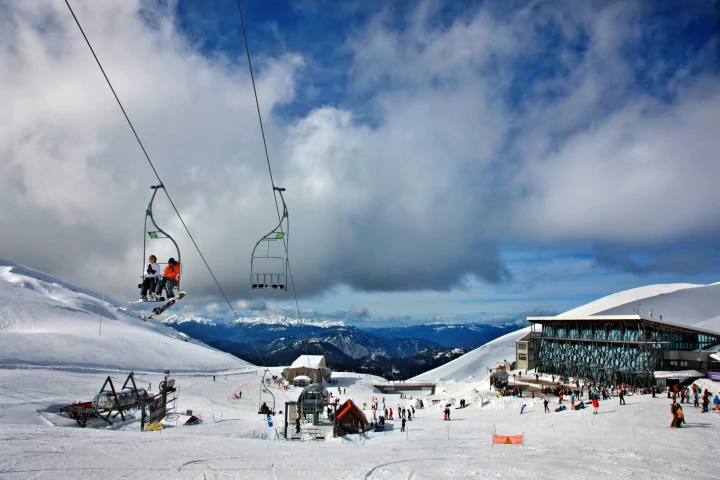
Kreta is een aantrekkelijke plek om in vastgoed te investeren, met sterke basisprincipes, zoals toerisme het hele jaar door, voordelen van het EU-lidmaatschap en concurrerende vastgoedprijzen vergeleken met andere eilanden in de Middellandse Zee. De Griekse vastgoedmarkt heeft zich goed hersteld na de economische crisis, terwijl de strategische ligging van het eiland en de voortdurende verbeteringen aan de infrastructuur het groeipotentieel op lange termijn ondersteunen. Deze gids geeft antwoord op de belangrijkste vragen die internationale investeerders hebben over vastgoedinvesteringsmogelijkheden op Kreta.
Wat maakt Kreta zo aantrekkelijk om in vastgoed te investeren?
Kreta combineert
de aantrekkingskracht van de Middellandse Zee met praktische investeringsvoordelen als grootste eiland van Griekenland en toeristische bestemming het hele jaar door. Het eiland profiteert van het EU-lidmaatschap, dat internationale kopers rechtszekerheid biedt, terwijl de vastgoedprijzen aanzienlijk lager blijven dan in vergelijkbare bestemmingen zoals Cyprus of de Balearen. De toeristische infrastructuur blijft zich uitbreiden met verbeterde luchthavens, moderne jachthavens en verbeterde wegennetwerken die de grote steden met elkaar verbinden. De gevarieerde geografie van Kreta biedt kustwoningen voor vakantieverhuur, bergdorpen voor authentieke ervaringen en stedelijke centra voor permanente woonmogelijkheden. De gevestigde verhuurmarkt van het eiland bedient zowel vakantiegangers voor korte periodes als langdurige bewoners, waardoor vastgoedinvesteerders meerdere inkomstenbronnen hebben. Het Golden Visa-programma van Griekenland maakt investeren nog aantrekkelijker, omdat het EU-verblijfsrechten biedt voor aankopen van onroerend goed boven bepaalde drempels. Het programma heeft internationaal kapitaal aangetrokken en tegelijkertijd de stabiliteit van de vastgoedmarkt in de vier regionale eenheden van het eiland ondersteund.
Hoe heeft de vastgoedmarkt op Kreta de afgelopen jaren gepresteerd?
De vastgoedmarkt op Kreta laat sinds 2018
een gestaag herstel zien, met een toename van het aantal transacties en prijsstabilisatie in de meeste gebieden. Vastgoed aan de kust loopt voorop in het herstel, gedreven door de vraag vanuit het toerisme en de interesse van internationale kopers, terwijl vastgoed in het binnenland een meer geleidelijke verbetering laat zien. De vastgoedprijzen zijn aangepast ten opzichte van eerdere pieken, maar blijven aantrekkelijk in vergelijking met andere Europese kustbestemmingen. De markt heeft geprofiteerd van de verbeterde economische omstandigheden in Griekenland, het toegenomen aantal toeristen en de groeiende belangstelling van Noord-Europese kopers die op zoek zijn naar onroerend goed aan de Middellandse Zee. De huuropbrengsten zijn gestegen naarmate het toerisme zich heeft hersteld, met name voor goed gelegen onroerend goed met moderne voorzieningen. Recente investeringen in infrastructuur, waaronder verbeteringen aan de luchthaven en wegwerkzaamheden, hebben de bereikbaarheid van onroerend goed en de aantrekkelijkheid voor investeerders vergroot. De markt vertoont tekenen van duurzame groei in plaats van speculatieve zeepbellen, waarbij de vraag wordt aangedreven door echt gebruik in plaats van pure speculatie.
Wat zijn de belangrijkste soorten vastgoedbeleggingsmogelijkheden op Kreta?
Vakantieverhuur is de populairste investeringscategorie, vooral appartementen en villa's in de buurt van stranden of in traditionele dorpjes. Deze woningen profiteren van het lange toeristenseizoen op Kreta en de groeiende markt voor korte termijn verhuur, maar ze vereisen wel actief beheer of professionele verhuurdiensten. Woningen voor permanente bewoning zijn aantrekkelijk voor gepensioneerden en telewerkers, vooral in gebieden met goede gezondheidszorg en gevestigde internationale gemeenschappen. Traditionele stenen huizen die gerenoveerd moeten worden, bieden kansen voor waardetoevoeging, maar kopers moeten rekening houden met restauratiekosten en lokale bouwvoorschriften. Commerciële panden zijn onder andere kleine hotels, restaurants en winkelruimtes in toeristische gebieden, maar hiervoor is lokale specialistische kennis en een hogere initiële investering nodig. De aankoop van grond biedt potentieel op de lange termijn, maar brengt complexe planningsprocedures en ontwikkelingsbeperkingen met zich mee, vooral in de buurt van kustlijnen. Panden voor gemengd gebruik, die zowel residentieel als commercieel potentieel hebben, bieden flexibiliteit voor eigenaren-bewoners die naast hun Griekse vastgoedinvestering ook huurinkomsten of zakelijke kansen willen.
Welke huuropbrengsten kunnen investeerders verwachten van onroerend goed op Kreta?
De huuropbrengsten op Kreta variëren doorgaans van
4 tot 8% per jaar, afhankelijk van de locatie, het type onroerend goed en de beheersaanpak. Kustwoningen met uitzicht op zee en moderne voorzieningen leveren hogere opbrengsten op, terwijl woningen die ingrijpend moeten worden gerenoveerd of op afgelegen locaties liggen, mogelijk een lager rendement opleveren. Kortetermijnvakantieverhuur biedt over het algemeen hogere opbrengsten dan langetermijnverhuur, maar vereist intensiever beheer en marketing. De tarieven in het hoogseizoen kunnen aanzienlijk zijn, maar woningen kunnen tijdens de wintermaanden leeg blijven staan, tenzij ze worden aangeboden aan langetermijnhuurders of wintergasten. De opbrengsten variëren aanzienlijk per locatie, waarbij populaire gebieden zoals de oude binnenstad van Chania, de kust van Rethymno en strandlocaties in de buurt van Heraklion hogere tarieven vragen. Woningen met unieke kenmerken, zoals traditionele architectuur, privézwembaden of een uitzonderlijk uitzicht, behalen doorgaans bovengemiddelde verhuurresultaten. Succesvolle huurwoningen vereisen voortdurend onderhoud, professionele schoonmaak en effectieve marketing via meerdere kanalen. Veel investeerders maken gebruik van lokale beheermaatschappijen, die doorgaans 15-25% van de huurinkomsten in rekening brengen voor uitgebreide diensten.
Wat zijn de belangrijkste juridische en fiscale overwegingen bij het investeren in onroerend goed op Kreta?
Buitenlandse kopers hebben
geen beperkingen bij het kopen van onroerend goed op Kreta, hoewel voor onroerend goed in de buurt van grenzen of militaire installaties mogelijk speciale vergunningen nodig zijn. Bij het aankoopproces zijn Griekse advocaten, notarissen en uitgebreide eigendomscontroles betrokken om duidelijk eigendom en de juiste documentatie te garanderen. De overdrachtsbelasting bedraagt 3,09% van de waarde van het onroerend goed, berekend op basis van de aankoopprijs of de objectieve waarde van de overheid, afhankelijk van welke van beide het hoogst is. De jaarlijkse ENFIA-onroerendgoedbelasting varieert per locatie en waarde van het onroerend goed, terwijl de huurinkomsten onderworpen zijn aan de Griekse inkomstenbelastingtarieven. Belangrijk is dat de vermogenswinstbelasting voor particulieren tot december 2026 blijft opgeschort, hoewel deze opschorting sinds 2013 jaarlijks wordt verlengd. Investeerders met een gouden visum moeten voldoen aan minimale investeringsdrempels, die zijn verhoogd tot € 800.000 in topgebieden, waaronder delen van Kreta, hoewel in veel gebieden het minimum van € 250.000 gehandhaafd blijft. Het programma biedt investeerders en hun gezinnen een verblijfsvergunning voor vijf jaar, die verlengd kan worden. Professioneel juridisch advies is essentieel gezien de complexiteit van het Griekse eigendomsrecht, de erfrechtelijke regelgeving en de belastingverplichtingen. We raden je aan om ervaren juristen in te schakelen die bekend zijn met internationale onroerendgoedtransacties om naleving te garanderen en je investering te beschermen.
Welke gebieden op Kreta bieden het beste investeringspotentieel?
De
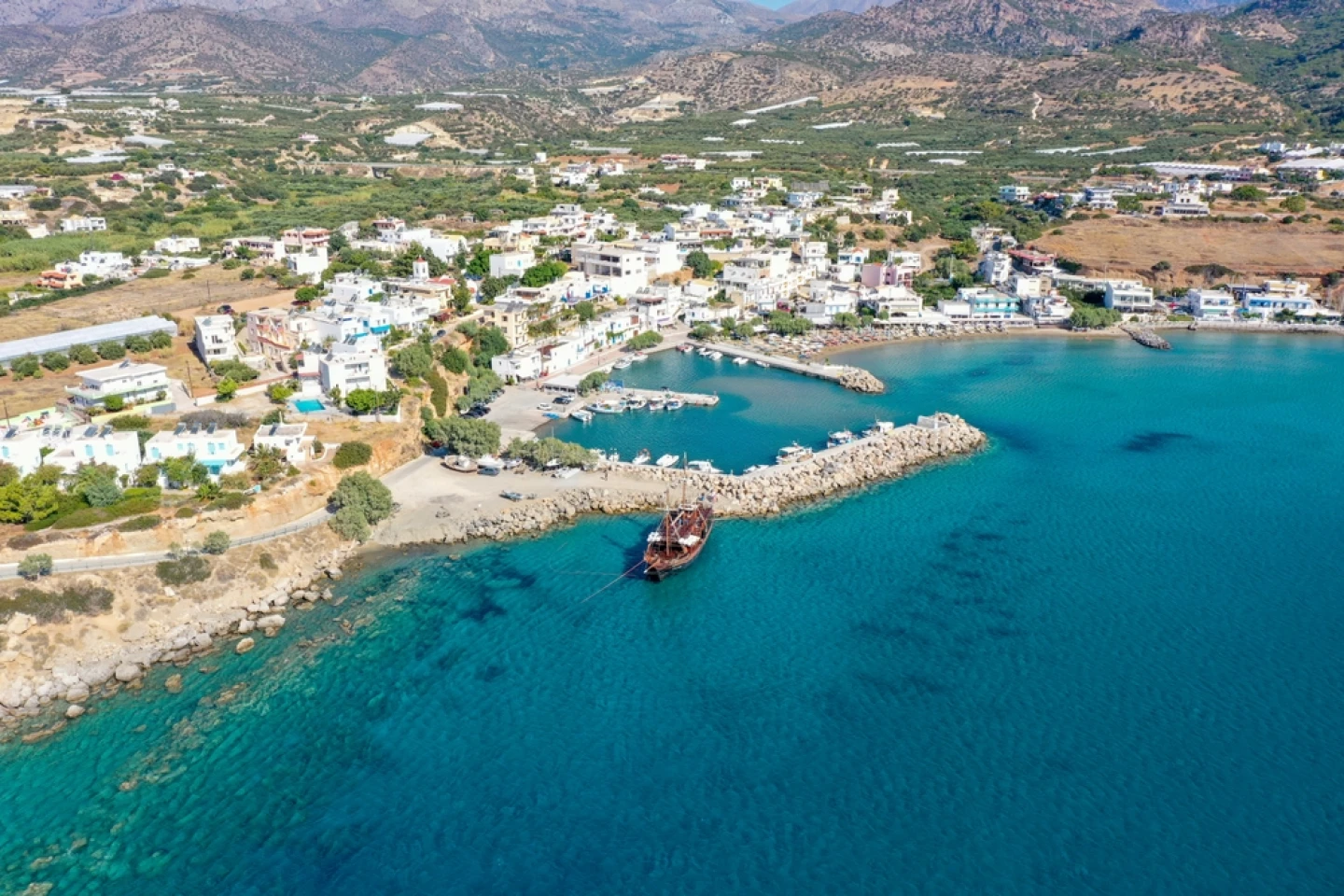
regio Chania biedt de sterkste investeringsfundamentals met zijn oude binnenstad die op de Werelderfgoedlijst van UNESCO staat, internationale luchthaven en gevestigde toeristische infrastructuur. Onroerend goed in de buurt van de stad Chania heeft hoge prijzen, maar biedt uitstekende verhuurmogelijkheden en vooruitzichten op waardestijging. Heraklion, de hoofdstad en grootste stad van Kreta, biedt diverse mogelijkheden, variërend van stadsappartementen tot onroerend goed aan de kust. Het gebied profiteert van de belangrijkste luchthaven van het eiland, veerverbindingen en economische activiteit die het hele jaar door plaatsvindt, naast het toerisme. Vastgoed hier is aantrekkelijk voor zowel toeristen als permanente bewoners. Rethymno combineert historische charme met moderne voorzieningen en trekt investeerders aan die op zoek zijn naar traditionele Venetiaanse architectuur en gevestigde verhuurmarkten. Het gebied biedt een goede prijs-kwaliteitverhouding in vergelijking met Chania, terwijl het een sterke toeristische aantrekkingskracht behoudt. Lasithi, met inbegrip van Agios Nikolaos en Elounda, richt zich op luxe toerisme met hoogwaardige woningen en exclusieve projecten. Hoewel deze gebieden een grotere initiële investering vereisen, kunnen ze hoge huurprijzen opleveren en welgestelde internationale kopers aantrekken. Elke regio biedt verschillende voordelen, afhankelijk van de investeringsdoelstellingen, het budget en de voorkeuren op het gebied van beheer. Voor een succesvolle investering in onroerend goed op Kreta is inzicht nodig in de dynamiek van de lokale markt, de wettelijke vereisten en de lopende beheerbehoeften. Voor persoonlijk advies over jouw specifieke investeringsdoelen raden we je aan
contact op te
nemen met ons ervaren team, dat gedetailleerde marktanalyses en
hulp bij de aankoop van onroerend goed kan bieden voor jouw investeringsreis op Kreta. Disclaimer: Deze inhoud is uitsluitend bedoeld ter informatie en vormt geen juridisch of fiscaal advies. Voor alle kwesties met betrekking tot specifieke gevallen wordt sterk aangeraden om, afhankelijk van jouw behoeften, een advocaat, accountant of notaris te raadplegen.

 Blog
Blog