
20.10.2026
The Most Famous Homes in Greece
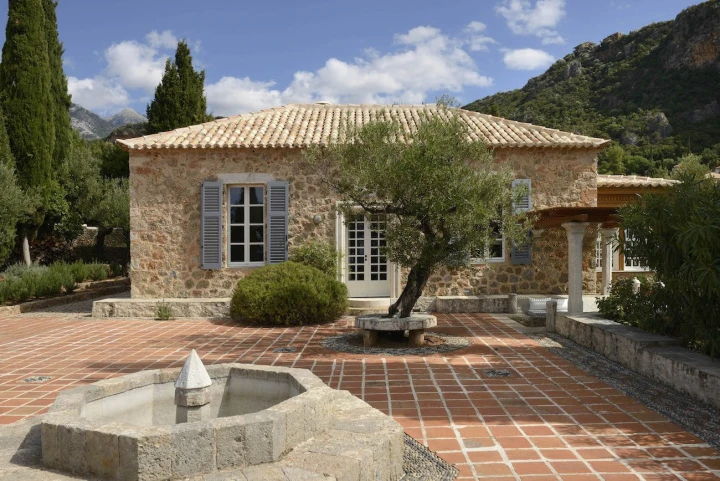
There are some houses in Greece that gain fame because of the people who lived in them, such as writers and musicians, or even... a king!
History & Culture
23.11.2023
If you’ve seen the film “My Big Fat Greek Wedding”, you likely know from the catchphrase of Toula's father that "everything comes from Greece." This is true for the marathon, which refers to the name of a town in southern Greece with the same name: Marathon. The modern day marathon was created to remember the historic run of Pheidippides, a soldier from Athens who ran from the battlefield in the town of Marathon to the Athenian capital (about 42 kilometers) to warn the Athenians that the Persians would attack Athens by sea. The runner supposedly dropped down dead at the end. It's likely a myth, given that the first account of Pheidippides came several centuries after his death (and in some editions he goes by another name).
In the full version of the story, Pheidippides ran much more than 42 kilometers (the length of the modern marathon). This was simply the last leg of the legendary runners’ journey. Some versions of the story say that Pheidippides ran over 500 kilometers in a number of days. So how did the current race get so short? What is the real story of the modern day marathon?
In a Robert Browning poem in 1879 titled “Pheidippides,” the author refers to the last leg of his journey from Marathon to the Greek capital. One of the members of the first edition of the Olympic games read the poem and proposed that the distance be used for the first marathon in the 1896 Olympics.
More historians agree that Pheidippides was born in 530 BC and was a courier, whose job it was to run messages to other cities. As the story goes, Pheidippides’s first task was to run to the city state of Sparta to ask for their help in the Athenians' battle against the Persians.
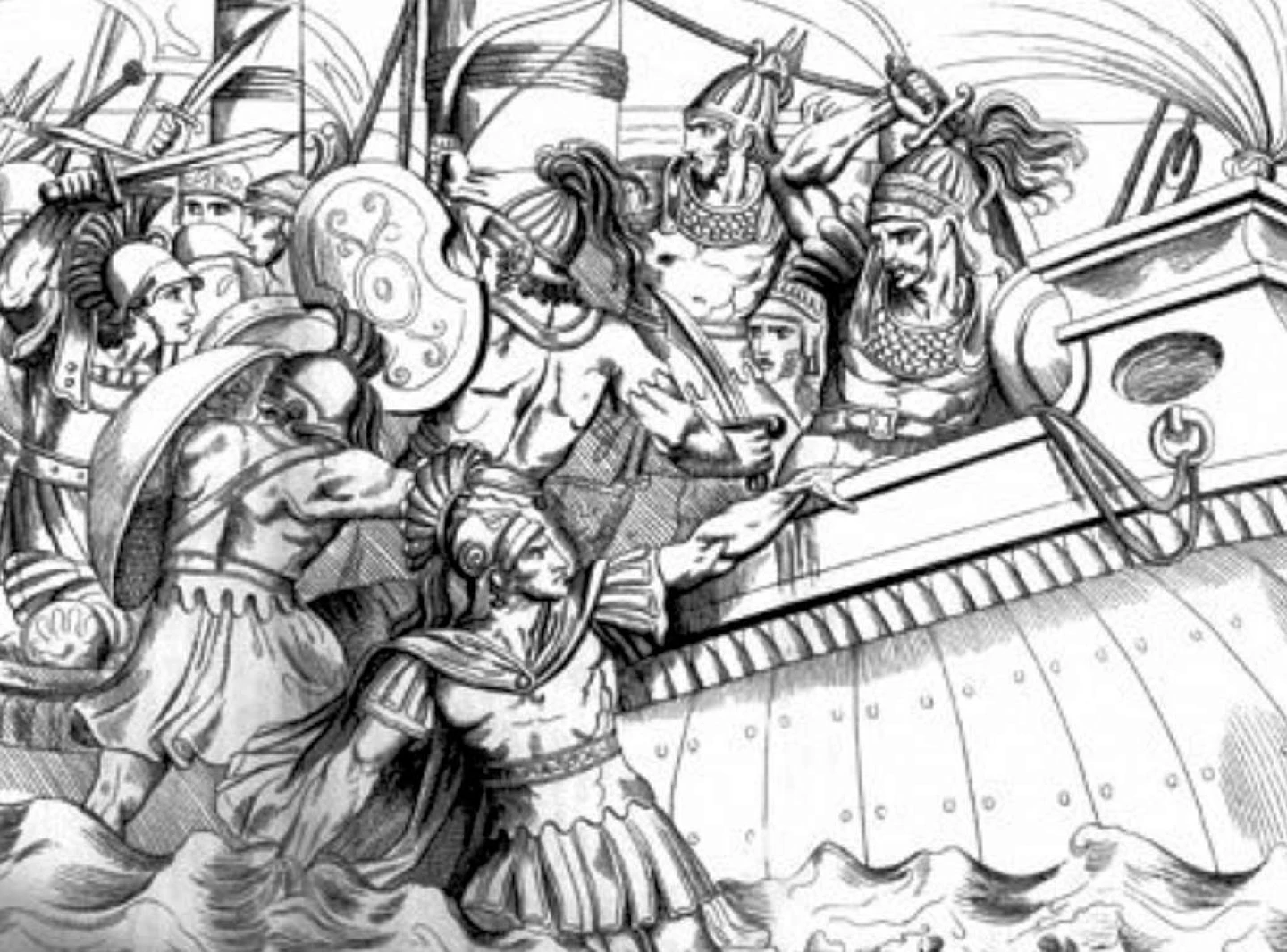
The Persian army of 250,000 men and 600 ships invaded Greece and was coming towards Athens. Their plan was to land at Marathon, defeat the Athenian army there (about 10,000 men), and then sail to conquer the capital. To get help from the Spartans, Pheiddipides would need to run over mountains in the Peloponnese, through Arcadia, through Isthmia, Examilia and the city of ancient Corinth, before arriving in Nemea.
He supposedly reached Sparta after 36 hours, which even today would be an impressive achievement. You might wonder why he didn’t use a horse – this is because the road from Athens to Sparta was too rough for horses. But when he arrived, the Spartans had a religious festival and would not help until the festival was over. When the Athenians learned this, they decided to launch a quick attack to fight the Persians. It was surprisingly successful. But the Persians still had their boats, and they would be at an undefended Athens in less than 10 hours.
This is when the legendary run of Pheidippides happened from Marathon to Athens, both to announce the victory at Marathon and to warn that the Persian fleet was coming. At the same time, the Athenian soldiers, still injured, marched back to Athens to defend the city. With a superhuman effort, even though the Athenians were outnumbered, they had a night to rest and cook some food, and kept the Persians from taking the city. Today, the marathon is now one of most beloved events of the modern Olympic games. It is usually the last event of the Olympics, and it finishes inside the Olympic stadium.
20.10.2026
There are some houses in Greece that gain fame because of the people who lived in them, such as writers and musicians, or even... a king!
05.10.2026
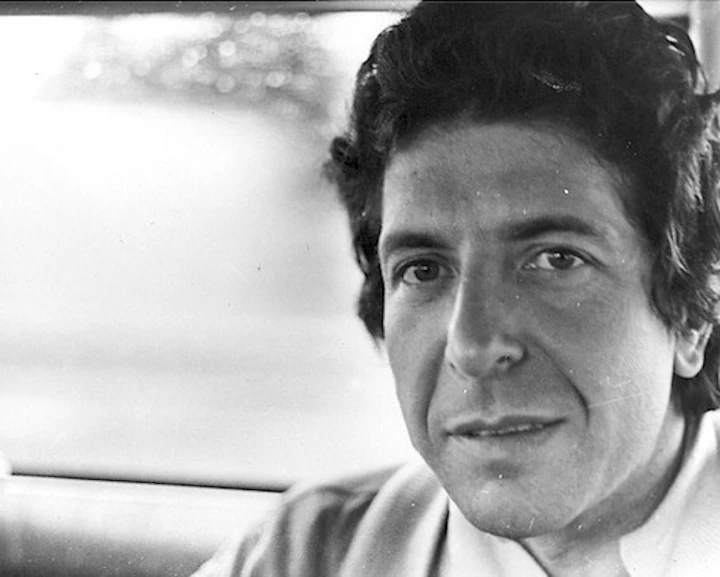
In his poem, "Days of Kindness", from 1985, Leonard Cohen describes Greece as being a good place to read by moonlight on the terrace. He knew this from experience. Hydra was his home for much of the 1960s. He arrived in the spring of 1960, aged 25, and later bought a house on the island, where he wrote much of his early work. Many places on Hydra still carry traces of him, even now that Hydra has become far better known.
16.04.2026
Greece is often associated with ancient history, island landscapes, and carefully preserved traditions. Less discussed, however, is another layer of its identity: its place names. Across the mainland and the islands, thousands of villages carry names that can sound unexpectedly funny or strikingly literal to a modern Greek speaker. These are not recent inventions or deliberate attempts at humor. Most date back centuries, shaped by geography, daily life, local dialects, and historical circumstances. What makes them stand out today is the shift in language over time. Words that once served as straightforward descriptions of land, resources, or communities can now feel unusually direct or unexpectedly humorous. Looking at these names more closely offers insight into how earlier generations observed their surroundings and chose to define them.
20.03.2026
Greece has long been more than a travel destination. For centuries, writers have been drawn to its history, natural beauty, and authenticity, finding in Greece not just a setting, but a source of inspiration that shapes narratives, characters, and perspectives.
19.02.2026
02.01.2026
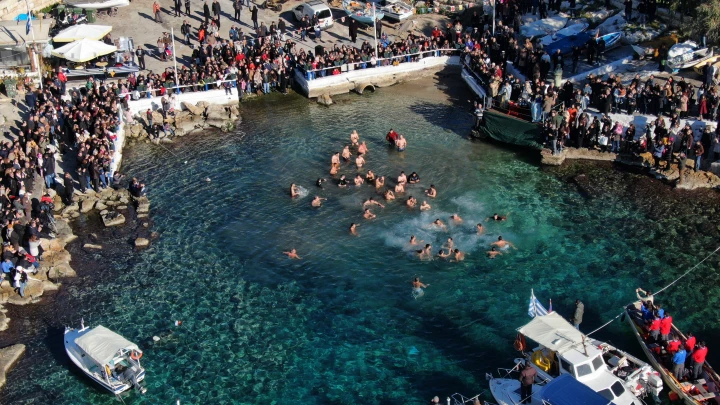
In Greece, the holiday season does not end on New Year’s Day. Instead, it culminates in one of the most symbolic celebrations of the year: Epiphany, known in Greek as Theofania. More than a religious holiday, Epiphany in Greece represents the triumph of light over darkness, a spiritual “new beginning” for individuals and communities. For anyone living in Greece, or dreaming of owning a home here, Epiphany offers one of the most authentic snapshots of local culture. From the blessing of the waters to ancient folk rituals, this day reveals the deep connection between the Greek people, nature, and tradition.
30.12.2025
Crete is stepping into the global spotlight once again. According to Airbnb’s latest travel trend insights based on worldwide search data from Q3 2025, the island — and especially the iconic Samaria Gorge National Park — ranks among the most sought-after nature destinations for 2026. This surge reflects a broader shift in how people choose where to travel, live, and invest. Travellers are no longer looking only for beaches or city breaks. Instead, they are drawn to authentic natural environments, outdoor experiences, and destinations that offer both beauty and balance, qualities that Crete delivers effortlessly.
19.12.2025
Greece is known mostly for its pristine beaches and its endless summers. Also, Greek cuisine, with its unique Mediterranean dishes, is widely sought after. What might feel surprising is the magical beauty during Christmas in Greece. The country has a long festive season that runs from Christmas to Epiphany (the “Φώτα” on 6 January), full of local customs, food traditions, and small village rituals that still matter to people today. Winter destinations are also famous in Greece, as according to the latest Monitoring Sentiment for Intra-European Travel report (Wave 23) by the European Travel Commission (ETC), Greece ranks among the top 10 most desired European destinations for travel between October 2025 and March 2026, holding a solid 7th place.