20.10.2026
The Most Famous Homes in Greece
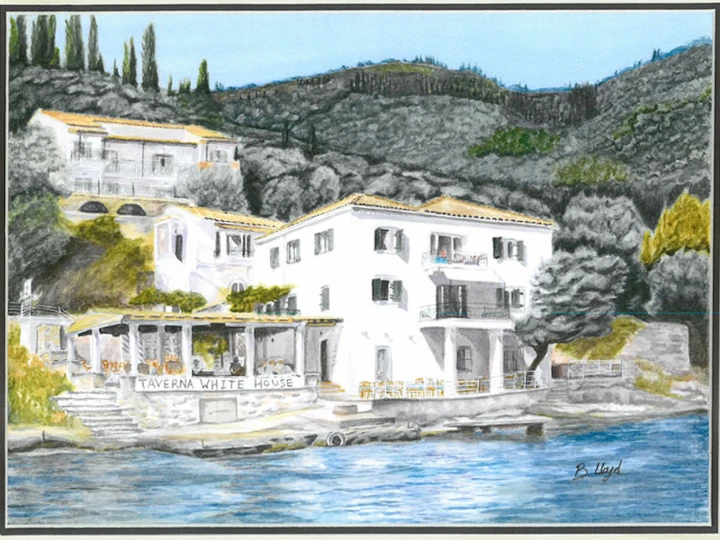
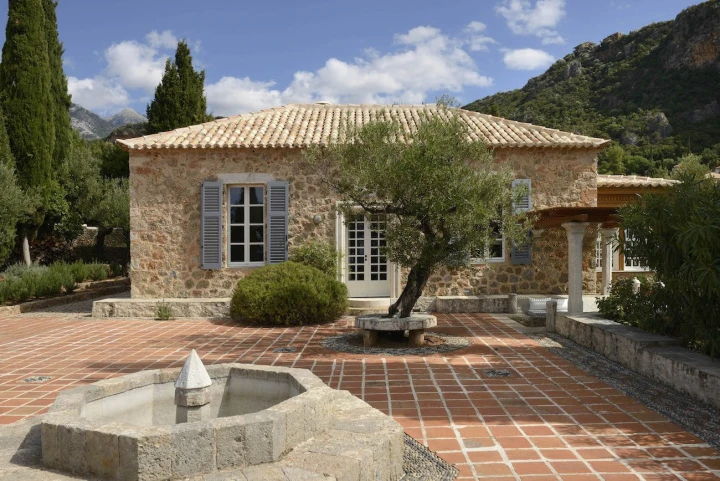
There are some houses in Greece that gain fame because of the people who lived in them, such as writers and musicians, or even... a king!
History & Culture
19.02.2026
In Greece, Clean Monday (Καθαρά Δευτέρα / Kathara Deftera) doesn’t feel like a quiet religious date on a calendar. It feels like a reset button you can taste, hear, and—if the wind cooperates—watch drifting across the sky.
Falling right after the last weekend of Apokries (Greek Carnival), Clean Monday marks the end of the carnival season and the beginning of Great Lent, the fasting period leading up to Orthodox Easter, known as Sarakosti.
The “clean” part isn’t about housework (though Greeks are never against a good tidy-up). It points to the idea of spiritual and physical purification as Lent begins—stepping away from heavy foods and excess, and moving into a simpler rhythm.
If you hear Greeks say “πάμε Κούλουμα” (let’s go Koulouma), they mean the classic Clean Monday plan: go outdoors, spread out food, and spend the day in the open air. Parks, hills, beaches, village squares—anywhere that can hold a blanket and a group of friends is a candidate. Weather permitting, it becomes a nationwide picnic.
There’s something wonderfully Greek about this contrast: Lent begins, yes—but it begins outside, in daylight, with laughter and shared dishes passed around like a friendly argument: “Try this taramasalata, it’s better than yours.”
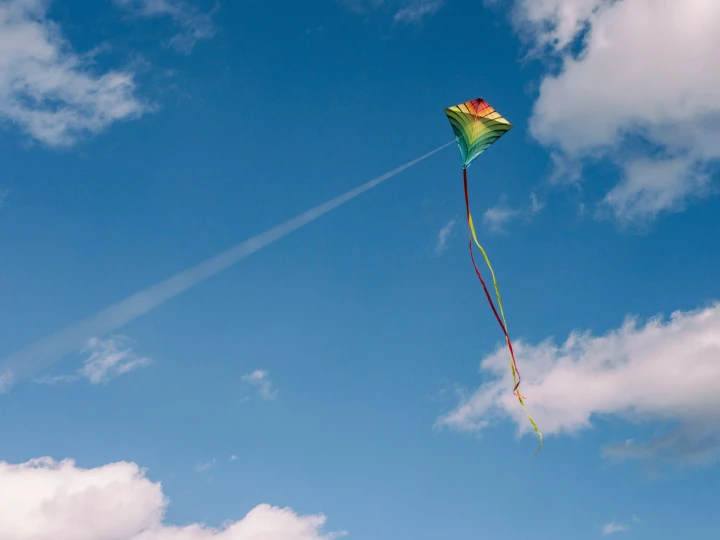
Ask most kids what Clean Monday means, and you’ll get the same answer: kite-flying (χαρταετός / chartaeτός).
On this day, the skies over Greece fill with bright, stubborn triangles that refuse to cooperate until the wind suddenly does. Families head out early; someone always insists they don’t need instructions; someone else ends up sprinting heroically across a field like they’re launching a small aircraft. It’s a ritual—equal parts tradition and comedy.
Kite-flying is widely linked to the idea of “lifting” as the fasting period starts, and it’s one of the most recognizable Clean Monday customs across the country.
Even if someone isn’t strictly observing Lent, Clean Monday food follows the Lenten rules: traditionally, no meat, eggs, or dairy. But what replaces them isn’t “diet food.” It’s a table built around texture and variety—salty, briny, nutty, lemony, crunchy.
Here’s what you’ll typically find:
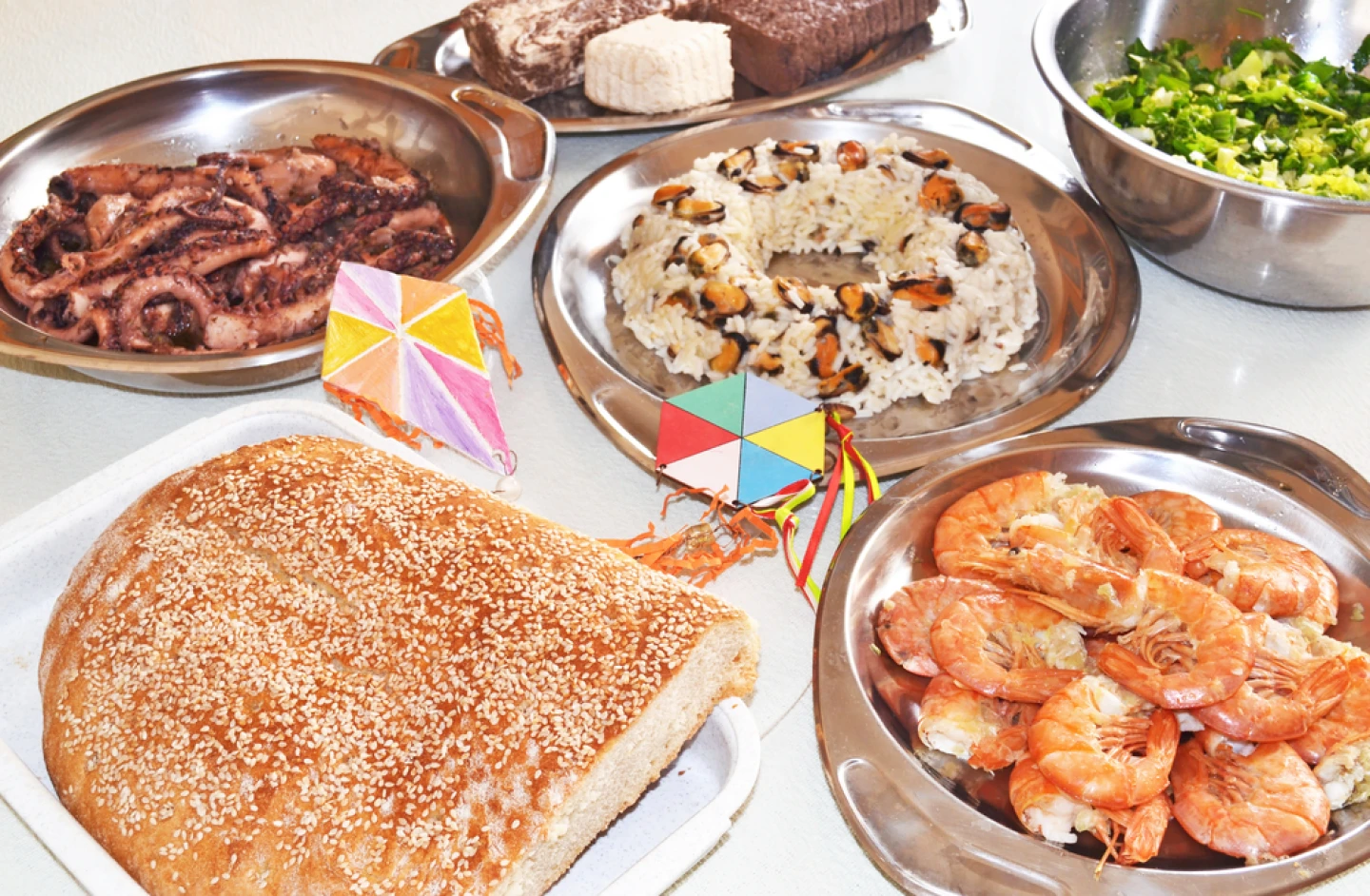
Lagana (λαγάνα): the signature flatbread of the day—soft, sesame-topped, and made specifically for Clean Monday. Tear it with your hands, not a knife (it somehow tastes better that way).
Taramasalata: a creamy spread traditionally made with fish roe, often served with lagana.
Olives, pickled vegetables, and spreads: the supporting cast that quietly steals the show.
Legumes: like giant beans (γίγαντες) or lentil dishes—simple, filling, and very Greek.
Seafood—especially shellfish and mollusks: in many traditions, these are permitted during Lent (unlike fish, which is usually reserved for specific feast days), so you’ll see octopus, calamari, shrimp, and mussels appear on the table.
Halva: the classic sweet ending—usually tahini-based, dense, and oddly addictive in a “just one more slice” way.
And then there’s the vibe: food meant to be shared outdoors, no fuss, no fancy plating—just the quiet confidence of dishes that have been around longer than any of us.
Clean Monday is officially tied to the Orthodox calendar, but culturally it’s also a celebration of community and season change. It’s a public holiday in Greece, and it often feels like the first day people collectively remember the outdoors exists again.
So if you ever find yourself in Greece on Clean Monday, follow the trail: look for families carrying food, listen for children debating whose kite is “definitely going higher,” and don’t overthink the fasting part. Just break off a piece of lagana, taste the taramasalata, and let the day do what it’s meant to do — start the season a little lighter, together, under an open sky.
20.10.2026
There are some houses in Greece that gain fame because of the people who lived in them, such as writers and musicians, or even... a king!
05.10.2026
In his poem, "Days of Kindness", from 1985, Leonard Cohen describes Greece as being a good place to read by moonlight on the terrace. He knew this from experience. Hydra was his home for much of the 1960s. He arrived in the spring of 1960, aged 25, and later bought a house on the island, where he wrote much of his early work. Many places on Hydra still carry traces of him, even now that Hydra has become far better known.
16.04.2026
Greece is often associated with ancient history, island landscapes, and carefully preserved traditions. Less discussed, however, is another layer of its identity: its place names. Across the mainland and the islands, thousands of villages carry names that can sound unexpectedly funny or strikingly literal to a modern Greek speaker. These are not recent inventions or deliberate attempts at humor. Most date back centuries, shaped by geography, daily life, local dialects, and historical circumstances. What makes them stand out today is the shift in language over time. Words that once served as straightforward descriptions of land, resources, or communities can now feel unusually direct or unexpectedly humorous. Looking at these names more closely offers insight into how earlier generations observed their surroundings and chose to define them.
20.03.2026
Greece has long been more than a travel destination. For centuries, writers have been drawn to its history, natural beauty, and authenticity, finding in Greece not just a setting, but a source of inspiration that shapes narratives, characters, and perspectives.
02.01.2026
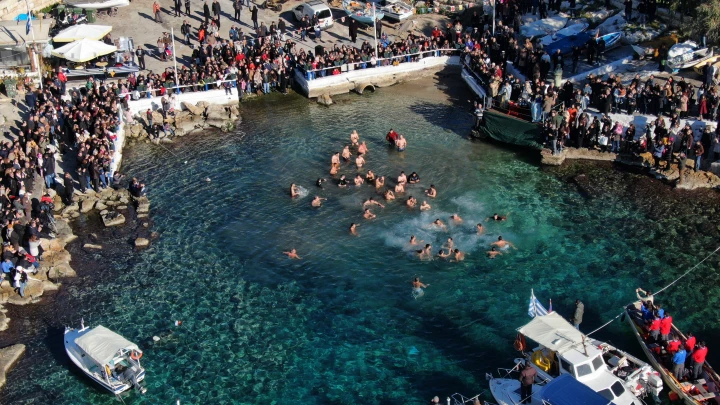
In Greece, the holiday season does not end on New Year’s Day. Instead, it culminates in one of the most symbolic celebrations of the year: Epiphany, known in Greek as Theofania. More than a religious holiday, Epiphany in Greece represents the triumph of light over darkness, a spiritual “new beginning” for individuals and communities. For anyone living in Greece, or dreaming of owning a home here, Epiphany offers one of the most authentic snapshots of local culture. From the blessing of the waters to ancient folk rituals, this day reveals the deep connection between the Greek people, nature, and tradition.
30.12.2025
Crete is stepping into the global spotlight once again. According to Airbnb’s latest travel trend insights based on worldwide search data from Q3 2025, the island — and especially the iconic Samaria Gorge National Park — ranks among the most sought-after nature destinations for 2026. This surge reflects a broader shift in how people choose where to travel, live, and invest. Travellers are no longer looking only for beaches or city breaks. Instead, they are drawn to authentic natural environments, outdoor experiences, and destinations that offer both beauty and balance, qualities that Crete delivers effortlessly.
19.12.2025
Greece is known mostly for its pristine beaches and its endless summers. Also, Greek cuisine, with its unique Mediterranean dishes, is widely sought after. What might feel surprising is the magical beauty during Christmas in Greece. The country has a long festive season that runs from Christmas to Epiphany (the “Φώτα” on 6 January), full of local customs, food traditions, and small village rituals that still matter to people today. Winter destinations are also famous in Greece, as according to the latest Monitoring Sentiment for Intra-European Travel report (Wave 23) by the European Travel Commission (ETC), Greece ranks among the top 10 most desired European destinations for travel between October 2025 and March 2026, holding a solid 7th place.
19.12.2025
Spending New Year’s Eve on Greek islands is about much more than fireworks, food and champagne. It’s about little family rituals, centuries-old customs and the warm feeling of being part of a close community. For anyone dreaming of a holiday home or a new life in Greece, New Year's Eve is one of the unique moments to experience the soul of island life, when most tourists aren’t there, and you can experience authentic community moments with locals. As we’ve mentioned in an older blog post, cutting the famous Vasilopita, a special bread to honour the Greek Santa Claus, is the most important custom happening in almost every house in Greece at the turn of the year. A lucky coin is baked into the cake, and whoever finds it will have good luck for the next year or may even take a gift. But let’s explore a bit more of Greece’s rich traditions and local communities, from its enchanting islands to the unique customs celebrated on New Year’s Eve and New Year’s Day.