20.10.2026
The Most Famous Homes in Greece
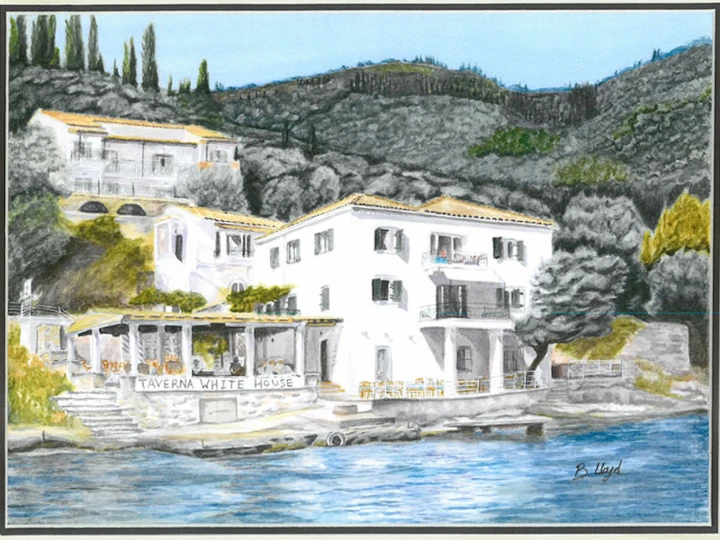
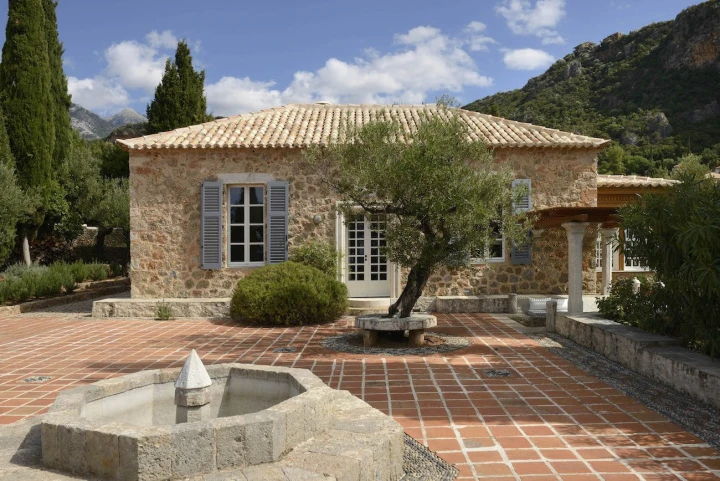
There are some houses in Greece that gain fame because of the people who lived in them, such as writers and musicians, or even... a king!
History & Culture
20.10.2025
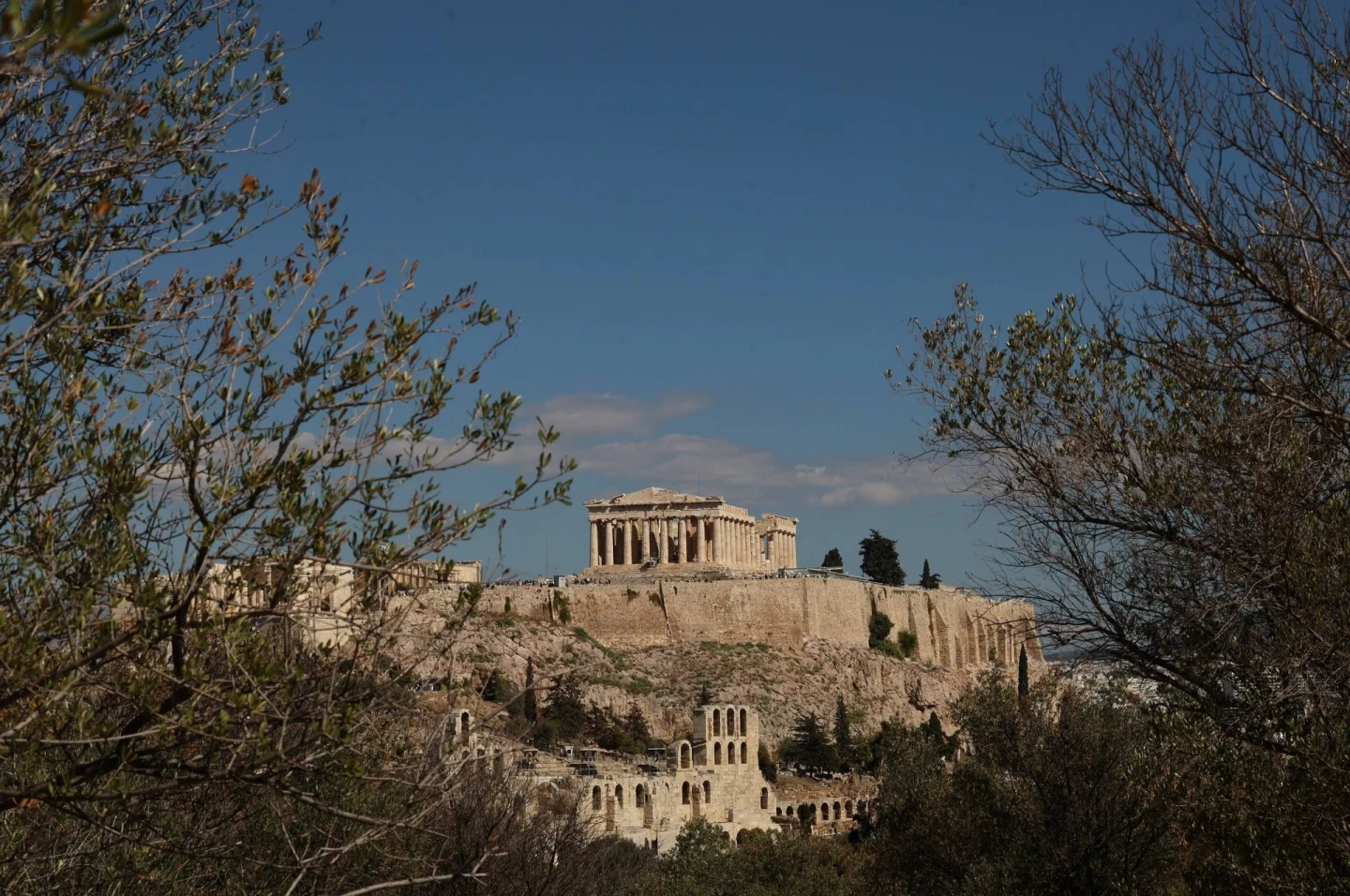
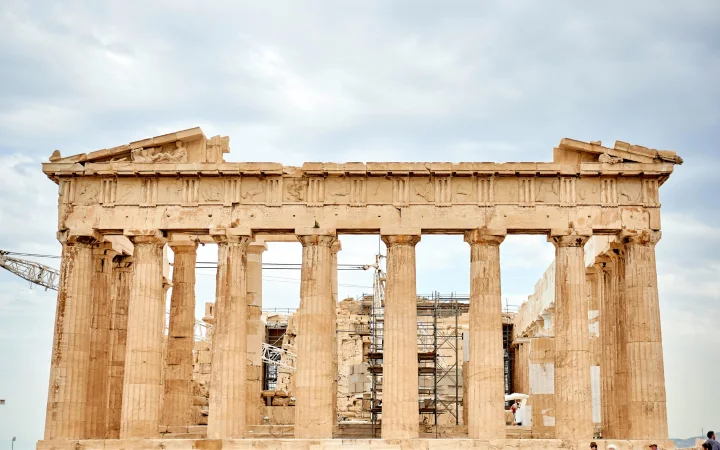
The Acropolis, Greece’s most famous and historically important landmark, has experienced a remarkable change. For the first time in about 20 years, visitors to Athens can finally see the western side of the Parthenon in all its beauty, completely free of metal scaffolding. The iconic monument, which dominates the Acropolis Hill, is momentarily unveiled, offering a breathtaking view of ancient craftsmanship that few have witnessed in recent decades.
The scaffolding that had surrounded the Parthenon’s western facade for almost two decades has been temporarily removed, allowing visitors and locals alike to admire the temple’s original form. However, work continues on other parts of the Parthenon. The Acropolis attracted around 4.5 million visitors in 2024, and the number is expected to be even higher in 2025. This is a rare and emotional moment for Athenians and travellers. Standing beneath the temple, without the familiar metal frames, gives an unobstructed view of the marble columns, a reminder of why this monument continues to symbolise timeless elegance and resilience.
That is a common and reasonable question. The restoration efforts are essential to preserve the integrity of the ancient marble, much of which has suffered over the centuries from weather, wars, and human interference. For now, Athenians and travellers have a few weeks to enjoy a once-in-a-lifetime view of the Parthenon, as close as possible to how it looked centuries ago. However, this removal doesn’t mark the end of the restoration works. The team responsible for the project is preparing to install new, lighter, and more discreet structures that will allow ongoing conservation efforts to continue with improved safety and aesthetics. The next phase is expected to begin within the coming weeks, with completion of the western pediment restoration scheduled for early 2026. It’s easy to forget that the Parthenon is not just a monument frozen in time; it’s a living archaeological project that continues to evolve.
The Odeon of Herodes Atticus will remain closed for three years, starting at the end of this year's Athens-Epidaurus Festival season. During this three-year period, work will be carried out to highlight, protect, and restore the monument.
Although it is one of the most important monuments in the world, some aspects are either not widely known or are often misunderstood. Below are some of them:
The Parthenon vs. the Acropolis: Many people refer to the famous monument as the Acropolis. But the word Acropolis refers to the entire hilltop complex, while the Parthenon is the main temple dedicated to the goddess Athena. So, you visit the Acropolis to see the Parthenon.
It’s older than you think: Construction began in 447 BC and finished just nine years later, an engineering marvel for its time.
No straight lines: The Parthenon appears perfectly symmetrical, but in reality, almost every line is slightly curved. It’s a deliberate optical illusion by its architects to make it look flawless from every angle.
Marble from Mount Penteli: The same quarry that provided marble for the Parthenon still operates today, supplying stone for restoration works.
It once held gold: Inside the Parthenon stood a 12-meter statue of Athena made of ivory and gold, a work of the sculptor Phidias. The naked parts of her body were made of ivory, and her clothing was made of gold. Unfortunately, it’s now lost to history.
For now, the Parthenon stands in rare, unobstructed brilliance, offering a glimpse into ancient perfection. Whether you’re a traveller walking the marble steps or a foreign buyer who loves Greece’s mix of old and new, this brief window reminds us why Greece continues to captivate the world, a country where the past and future meet under the same golden light.
20.10.2026
There are some houses in Greece that gain fame because of the people who lived in them, such as writers and musicians, or even... a king!
05.10.2026
In his poem, "Days of Kindness", from 1985, Leonard Cohen describes Greece as being a good place to read by moonlight on the terrace. He knew this from experience. Hydra was his home for much of the 1960s. He arrived in the spring of 1960, aged 25, and later bought a house on the island, where he wrote much of his early work. Many places on Hydra still carry traces of him, even now that Hydra has become far better known.
16.04.2026
Greece is often associated with ancient history, island landscapes, and carefully preserved traditions. Less discussed, however, is another layer of its identity: its place names. Across the mainland and the islands, thousands of villages carry names that can sound unexpectedly funny or strikingly literal to a modern Greek speaker. These are not recent inventions or deliberate attempts at humor. Most date back centuries, shaped by geography, daily life, local dialects, and historical circumstances. What makes them stand out today is the shift in language over time. Words that once served as straightforward descriptions of land, resources, or communities can now feel unusually direct or unexpectedly humorous. Looking at these names more closely offers insight into how earlier generations observed their surroundings and chose to define them.
20.03.2026
Greece has long been more than a travel destination. For centuries, writers have been drawn to its history, natural beauty, and authenticity, finding in Greece not just a setting, but a source of inspiration that shapes narratives, characters, and perspectives.
19.02.2026
02.01.2026
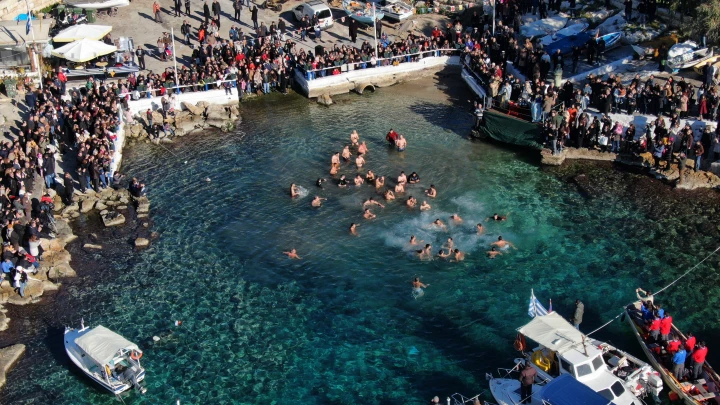
In Greece, the holiday season does not end on New Year’s Day. Instead, it culminates in one of the most symbolic celebrations of the year: Epiphany, known in Greek as Theofania. More than a religious holiday, Epiphany in Greece represents the triumph of light over darkness, a spiritual “new beginning” for individuals and communities. For anyone living in Greece, or dreaming of owning a home here, Epiphany offers one of the most authentic snapshots of local culture. From the blessing of the waters to ancient folk rituals, this day reveals the deep connection between the Greek people, nature, and tradition.
30.12.2025
Crete is stepping into the global spotlight once again. According to Airbnb’s latest travel trend insights based on worldwide search data from Q3 2025, the island — and especially the iconic Samaria Gorge National Park — ranks among the most sought-after nature destinations for 2026. This surge reflects a broader shift in how people choose where to travel, live, and invest. Travellers are no longer looking only for beaches or city breaks. Instead, they are drawn to authentic natural environments, outdoor experiences, and destinations that offer both beauty and balance, qualities that Crete delivers effortlessly.
19.12.2025
Greece is known mostly for its pristine beaches and its endless summers. Also, Greek cuisine, with its unique Mediterranean dishes, is widely sought after. What might feel surprising is the magical beauty during Christmas in Greece. The country has a long festive season that runs from Christmas to Epiphany (the “Φώτα” on 6 January), full of local customs, food traditions, and small village rituals that still matter to people today. Winter destinations are also famous in Greece, as according to the latest Monitoring Sentiment for Intra-European Travel report (Wave 23) by the European Travel Commission (ETC), Greece ranks among the top 10 most desired European destinations for travel between October 2025 and March 2026, holding a solid 7th place.