For many people, building a home in Greece is both an exciting dream and a complex undertaking. From finding the right plot to navigating permits and coordinating professionals, the process can feel overwhelming — especially for foreign investors unfamiliar with Greek legislation and bureaucracy.
This comprehensive guide explains everything step by step, outlining not only what you need to do but also the challenges you may face, so you can begin your journey fully prepared.
Pros and Cons of Building Your Own House in Greece
Before deciding whether to build or buy, it’s important to weigh the advantages and disadvantages.
Pros
Customisation
You design your home exactly as you envision it — from layout and architectural style to materials and energy efficiency. In short, you create something truly unique for you and your family.
Modern construction standards
New homes comply with the latest building regulations and energy efficiency standards (KENAK), offering improved insulation, sustainability, and long-term savings.
Higher long-term value
A newly built property can provide strong rental potential and long-term capital appreciation, especially in high-demand areas of Greece.
Cons
Higher upfront costs
Building is typically more expensive than buying an existing property. Unexpected costs may arise, making the final budget difficult to predict.
Time-consuming process
From design and permits to construction, building a house can take two years or more. Even with careful planning, delays may occur.
Stress and bureaucracy
Managing contractors, permits, and paperwork can be demanding — particularly if you live abroad and do not speak Greek.
Three Main Ways to Build Your Own House in Greece
There are three primary approaches when building in Greece:
1. Full Self-Management
This option involves coordinating contractors, supervising work, and managing the budget yourself. While possible, it requires strong organisational skills and local knowledge.
Some individuals even choose to carry out part of the construction themselves. However, Greek law requires mandatory social security contributions (EFKA stamps) for construction work, regardless of who performs it. These contributions cannot be avoided and are designed to prevent undeclared labour.
This route can be rewarding but demanding — particularly if you are not living in Greece full-time.
2. Working with a Main Contractor
This is the most practical and popular option. A general contractor manages the entire building process, coordinates professionals, and ensures deadlines are met.
You retain control over design and key decisions, without handling day-to-day site management.
3. Buying Off-Plan in a Developer Project
If you prefer simplicity, you can invest in an off-plan development. However, Greece typically has smaller-scale projects (often 3–4 houses), so options may be limited compared to other countries.
Suitable Destinations to Build in Greece
Foreign investors often prefer islands or countryside areas over large cities like Athens or Thessaloniki.
Popular locations include:
Kreta
The largest Greek island, offering diverse options from affordable rural plots to luxury seaside villas.
Cyclades (Mykonos, Santorini, Naxos, Paros)
Iconic island living with strong investment potential, though land prices are higher.
Ionian Islands (Corfu, Zakynthos, Kefalonia)
Venetian architecture, lush landscapes, and strong tourism appeal.
Dodecanese (Rhodes, Kos, Karpathos)
Long tourist seasons, international airports, and historical charm.
Peloponnese (Kalamata, Mani)
Authentic Greek beauty combined with relatively lower land prices.
Chalkidiki (Northern Greece)
Popular among Balkan investors with easy access to Thessaloniki Airport.
Why Build in Greece?
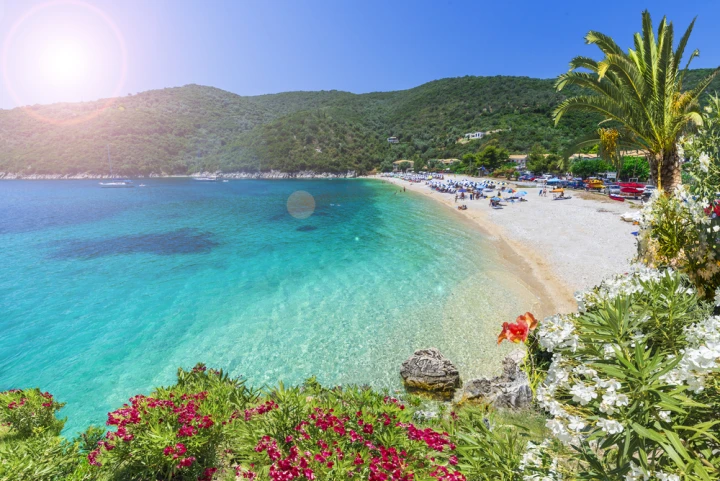
Greece offers a unique combination of lifestyle, climate, and affordability. With over 13,600 km of coastline, abundant sunshine, and stunning landscapes, it remains one of Europe’s most attractive destinations for property investment.
Foreign interest in Greek real estate continues to rise. Although prices have increased in recent years, they remain significantly lower than in countries such as Germany, France, Spain, or the Netherlands.
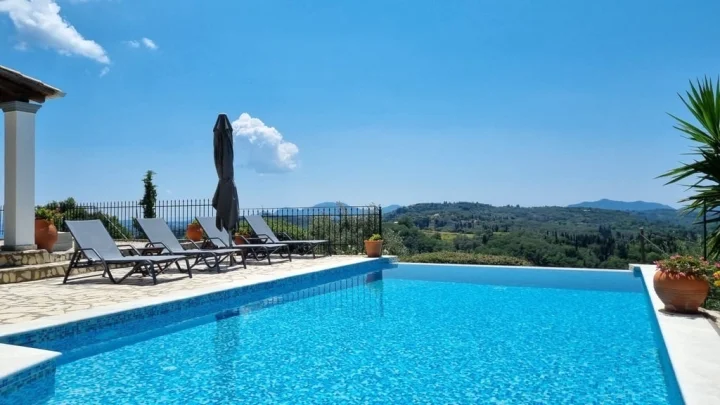
Whether you dream of a seaside villa, a mountain retreat, or a countryside home, Greece offers exceptional value.

Key Professionals You Will Work With
Building a house in Greece involves collaboration with several specialists.
Real Estate Agent
Often, your first contact, a real estate agent, helps you find suitable land, negotiate with sellers, and connect you with reliable professionals.
Rechtsanwalt
A lawyer is essential for conducting legal checks on the land, verifying ownership, and ensuring there are no mortgages, disputes, or zoning restrictions. For foreign investors, a lawyer can also act as a legal representative and assist with obtaining a Greek Tax Identification Number (AFM).
Architect and Topographer
The architect designs your home according to your vision while ensuring compliance with urban planning regulations and energy efficiency laws.
The topographer defines plot boundaries and confirms buildability.
All designs must comply with anti-seismic regulations, which are particularly strict in Greece due to seismic activity.
Civil Engineer / Contractor
The civil engineer prepares structural studies, supervises construction, ensures compliance, and signs off on completion certificates. A contractor coordinates all construction works on-site.
Essential Steps to Build a House in Greece
Step 1: Gather Required Documents
Passport or EU ID
Greek Tax Identification Number (AFM)
Proof of land ownership
Topographic diagram
Property titles
Baugenehmigung
Additional approvals (if required)
Step 2: Buy Land in Greece
Before construction begins, you must purchase a buildable plot.
Land in Greece falls into four categories:
Within the city plan
Outside the city plan
Small settlements (under 2,000 residents)
Traditional or protected settlements
Plots outside the city plan typically require at least 4,000 m² and frontage on a public road.
Always check whether the land is affected by:
Forest regulations
Coastal restrictions
Archaeological protections
Consult the local Town Planning Department (Πολεοδομία) or a qualified engineer before purchasing.
Step 3: Sign a Construction Agreement
A clear contract protects your investment. It typically includes:
Project description
Timeline
Budget and materials
Contractor obligations
Risk management clauses
Dispute resolution terms
Step 4: Obtain a Building Permit
A Full Building Permit (Οικοδομική Άδεια) is required for new construction.
The application is submitted electronically via the Technical Chamber of Greece (TEE) system by a licensed engineer.
Required documents include:
Title deed
Land registry certificate
Topographic survey
Architectural and structural plans
Mechanical and electrical studies
Environmental approvals (if applicable)
Permits are valid for four years (extendable). Processing typically takes around 45 business days after submission, though preparation may take several months.
Step 5: Construction Phase
Construction includes:
Excavation and foundation
Structural works
Plumbing and electrical installations
Insulation
Finishing works
Independent inspections are mandatory at specific stages.
Step 6: Handover
Upon completion, you receive:
Full architectural and technical documentation
Energy Performance Certificate (ΠΕΑ)
Utility connections (electricity, water, sewage)
How Much Does It Cost to Build a House in Greece?
Costs vary depending on location and quality.
Land purchase
Prices differ widely — rural areas are more affordable, while islands and coastal areas command premium prices.
Construction costs
Average cost: €2,000–€2,500 per m²
A 100 m² home: €200,000–€250,000
Luxury villas exceed this range.
Professional fees
5–10% of total project cost.
Real estate agent commission: 2–4% (+ VAT).
Permits and studies
Several thousand euros, depending on complexity.
Infrastructure connections
Additional cost for utilities.
Contingency budget
Set aside 10–15% extra for unexpected expenses.
Steuern
Land transfer tax: 3.09%
Land registry fees: approx. 0.5%
Notary fees: approx. 2% (+ VAT)
VAT on construction: 24%
After completion:
ENFIA property tax: approx. €3–4 per m² annually
Municipal fees: €50–150 per year
Overall, expect additional costs of approximately 5–7% beyond land and construction prices.
To Build or Not to Build?
Building your own house in Greece offers freedom, customisation, and long-term investment potential. However, it requires financial commitment, patience, and careful planning.
With the right team of professionals, the journey can be demanding — but incredibly rewarding.
If you are considering building a house in Greece or investing in Greek real estate, our experts can guide you step by step, from buying land to final construction.