

20.10.2026
The Most Famous Homes in Greece
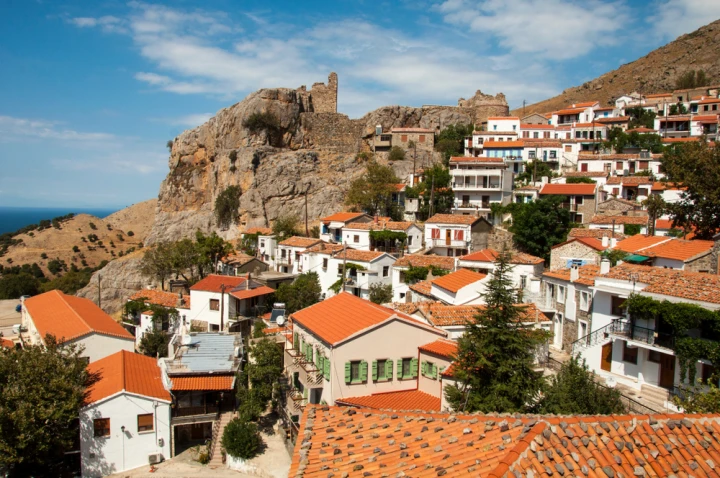
There are some houses in Greece that gain fame because of the people who lived in them, such as writers and musicians, or even... a king!

History & Culture
03.09.2024
When I visit a Greek home, why do I get treated like a king? Spoon sweets, meze platters, and Greek specialty dishes get pushed towards me, appearing out of nowhere. I get endless questions about my life (some highly personal, in the best possible way), and a number of gifts to take home. Is there a historical reason why Greeks are so hospitable?
Ancient hospitality was considered a sacred duty similar to a religious sacrifice. Strangers who showed up to the home of a local could be a god in disguise and were there to test the hospitality of the homeowner. Some Ancient Greeks believed that Zeus was the strangers’ god. So, if you didn’t offer hospitality, Zeus could punish you. According to Zeus’s law of hospitality, the host needed to feed, entertain, and offer a bath to travelers, also giving them a gift at the end of the stay. The guest’s job was not to be a burden, and to accept the hospitality with grace.
Fast forward to the fifth century BC, when the Ancient Greeks traded among its city states. Certain wealthy Greek citizens were hosts for foreign ambassadors. They would show hospitality to the ambassador during their visit, expecting the same treatment when the roles were reversed. The system was called “proxeny.” In Ancient Greek plays by Euripides, guests could use a special coin and redeem it when they wanted hospitality in another city in the future.
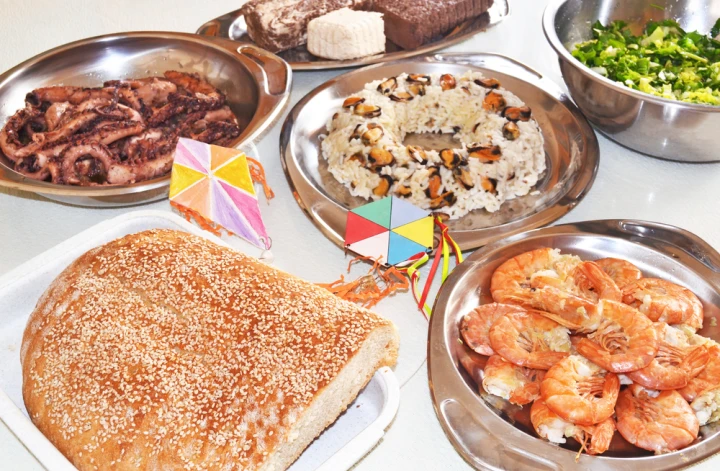
For Greeks, the offering of food and drink is a show of love. It is not unusual to arrive at a home for an “afternoon coffee” and find a full dinner feast in front of you. Dishes seem to appear out of thin air – the comforting smells of authentic pastitsio (Greek lasagna), Greek meatballs, dolmathes (stuffed vine leaves), and gemista (stuffed peppers). Someone may even take the role of shoveling food into your plate. In villages, it is not strange for a villager to bring a foreign resident (or even a visitor renting a home in town) a sack of fruit or a bottle of olive oil.
One common show of hospitality by Greeks towards foreigners (besides the obvious offering of food) is to pay for a dinner bill. To many foreigners, this can feel shocking or make them feel uncomfortable. In other Western European countries, bills were usually split between all the diners. The clever response from Greeks is usually “you can pay for me when I visit you”. Let’s be honest, what are the chances your Greek host is going to visit you in the Netherlands, in Belgium, in the United States, or an even more faraway place from Greece?
Greeks have a history of doubting power and not trusting the state, and this contributes to their hospitality. In general, Greeks believe that the authorities will not always look out for their best interest, and as a result they look to their local neighbors for help. Neighbourly connections are vital in Greece, and this tradition continues, especially in the country's small villages.
If you’ve ever traveled to a popular Greek island like Santorini or Mykonos, it’s easy to feel like you are swimming in a sea of tourists in the summer. Does the reality of millions of tourists visiting Greece every year mean that Greece’s hospitality will slowly decline? Maybe the Greek hospitality will be “diluted,” and a smaller amount of hospitality will be available per visitor?
Even with the millions of tourists visiting Greece every year, Greeks show no signs of tiring. They still show the same hospitality to foreigners -- including random acts of kindness, a free ouzo, a dessert after a meal, and help with directions. The best part is that there is always a smile to accompany it.
20.10.2026
There are some houses in Greece that gain fame because of the people who lived in them, such as writers and musicians, or even... a king!
05.10.2026
In his poem, "Days of Kindness", from 1985, Leonard Cohen describes Greece as being a good place to read by moonlight on the terrace. He knew this from experience. Hydra was his home for much of the 1960s. He arrived in the spring of 1960, aged 25, and later bought a house on the island, where he wrote much of his early work. Many places on Hydra still carry traces of him, even now that Hydra has become far better known.
16.04.2026
Greece is often associated with ancient history, island landscapes, and carefully preserved traditions. Less discussed, however, is another layer of its identity: its place names. Across the mainland and the islands, thousands of villages carry names that can sound unexpectedly funny or strikingly literal to a modern Greek speaker. These are not recent inventions or deliberate attempts at humor. Most date back centuries, shaped by geography, daily life, local dialects, and historical circumstances. What makes them stand out today is the shift in language over time. Words that once served as straightforward descriptions of land, resources, or communities can now feel unusually direct or unexpectedly humorous. Looking at these names more closely offers insight into how earlier generations observed their surroundings and chose to define them.
20.03.2026
Greece has long been more than a travel destination. For centuries, writers have been drawn to its history, natural beauty, and authenticity, finding in Greece not just a setting, but a source of inspiration that shapes narratives, characters, and perspectives.
19.02.2026
02.01.2026
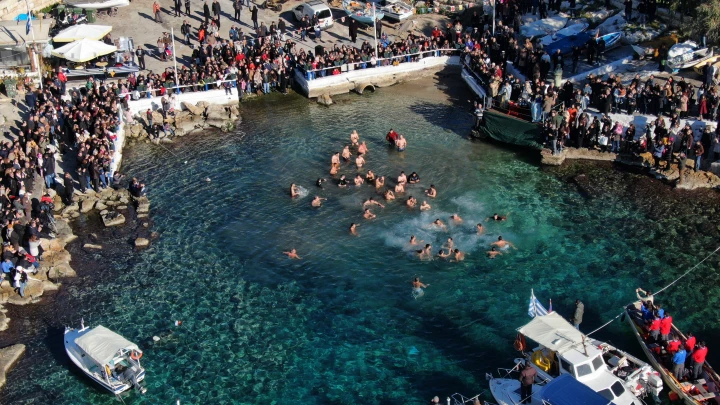
In Greece, the holiday season does not end on New Year’s Day. Instead, it culminates in one of the most symbolic celebrations of the year: Epiphany, known in Greek as Theofania. More than a religious holiday, Epiphany in Greece represents the triumph of light over darkness, a spiritual “new beginning” for individuals and communities. For anyone living in Greece, or dreaming of owning a home here, Epiphany offers one of the most authentic snapshots of local culture. From the blessing of the waters to ancient folk rituals, this day reveals the deep connection between the Greek people, nature, and tradition.
30.12.2025
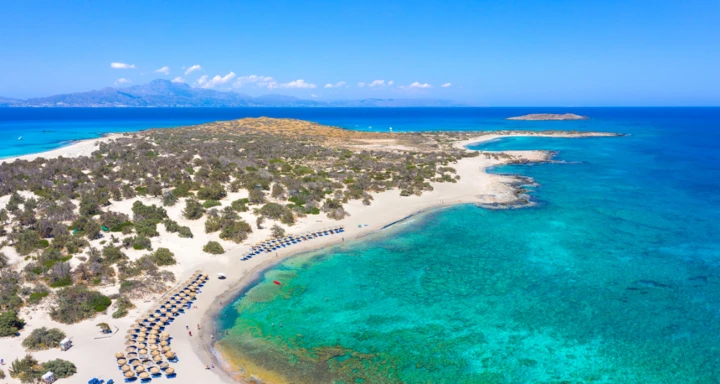
Crete is stepping into the global spotlight once again. According to Airbnb’s latest travel trend insights based on worldwide search data from Q3 2025, the island — and especially the iconic Samaria Gorge National Park — ranks among the most sought-after nature destinations for 2026. This surge reflects a broader shift in how people choose where to travel, live, and invest. Travellers are no longer looking only for beaches or city breaks. Instead, they are drawn to authentic natural environments, outdoor experiences, and destinations that offer both beauty and balance, qualities that Crete delivers effortlessly.
19.12.2025
Greece is known mostly for its pristine beaches and its endless summers. Also, Greek cuisine, with its unique Mediterranean dishes, is widely sought after. What might feel surprising is the magical beauty during Christmas in Greece. The country has a long festive season that runs from Christmas to Epiphany (the “Φώτα” on 6 January), full of local customs, food traditions, and small village rituals that still matter to people today. Winter destinations are also famous in Greece, as according to the latest Monitoring Sentiment for Intra-European Travel report (Wave 23) by the European Travel Commission (ETC), Greece ranks among the top 10 most desired European destinations for travel between October 2025 and March 2026, holding a solid 7th place.