20.10.2026
The Most Famous Homes in Greece
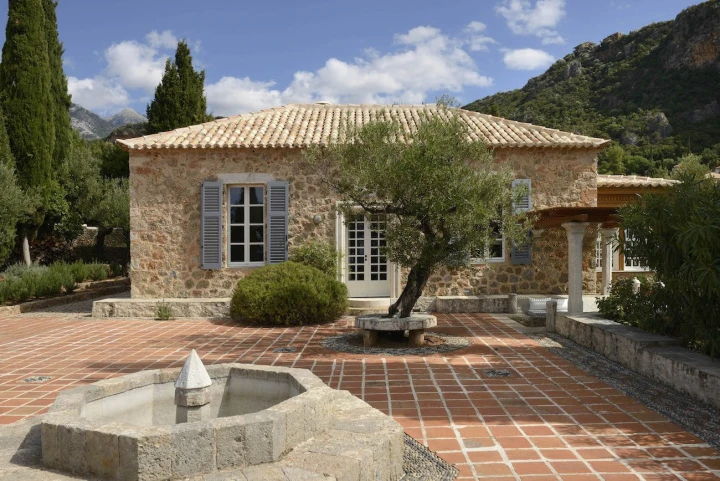
There are some houses in Greece that gain fame because of the people who lived in them, such as writers and musicians, or even... a king!
History & Culture
31.07.2024
What were the Ancient Olympics like? They definitely didn’t include surfing, table tennis, and mountain biking. What events were in the Ancient Olympics in Greece, and how do the Ancient Olympics compare to the Modern Olympics?
The Ancient Olympic Games were one of the most important events in the ancient Greek world for over one thousand years, from 776 BC to 390 AD. They originally featured only a few events: Running, jumping, throwing, boxing, wrestling, pankration, and chariot racing.
All free Greek men could be a part of the Ancient Olympics. It didn’t matter your job or your class or wealth. Among the Olympian athletes were army generals, shepherds, members of the royal family, and even Democritus, the philosopher.
A majority of Olympians were soldiers. Women could not compete, and if you were a married woman, you could not attend the event.
The Ancient Olympics were not only important for those competing, but also for merchants. Painters, artists, and speakers came to show off their talents, and also to sell their goods. In the week of the Ancient Olympics, vendors from all over the Greek world made the long journey in the hopes of a large profit.
When the Persians invaded Greece in 480 BC, Greek city states agreed to put together an army to defend themselves. However, it was difficult to get enough men together because so many people wanted to be at the Olympics.
The Ancient Olympics were a huge deal. Citizens from all over the Greek empire came, which sometimes meant traveling from modern day Germany, France, Libya, and Spain. One of the reasons for the popularity was not just the sporting events, but also the food. Usually, meat was on the menu for the viewers, which was rare for the common Greek citizen of the time.
In the case that city states were at war (which was often true), temporary access was allowed for travelers to pass through to the Olympics.
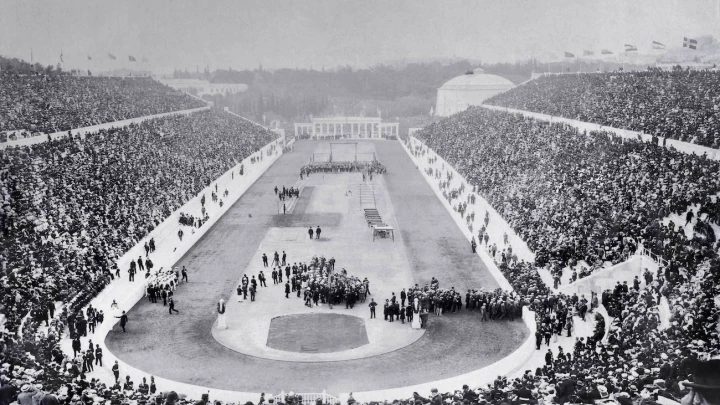
For the first 250 years of the Ancient Olympics, everything happened in the sanctuary of Olympia, which is in the northern Peloponnese and can be visited today. The site, when not being used for the Ancient Olympics, was a wheat field.
The Ancient Olympics were five days long. At least 40,000 spectators came to the stadium. The most popular time for the Olympics was the second century AD.
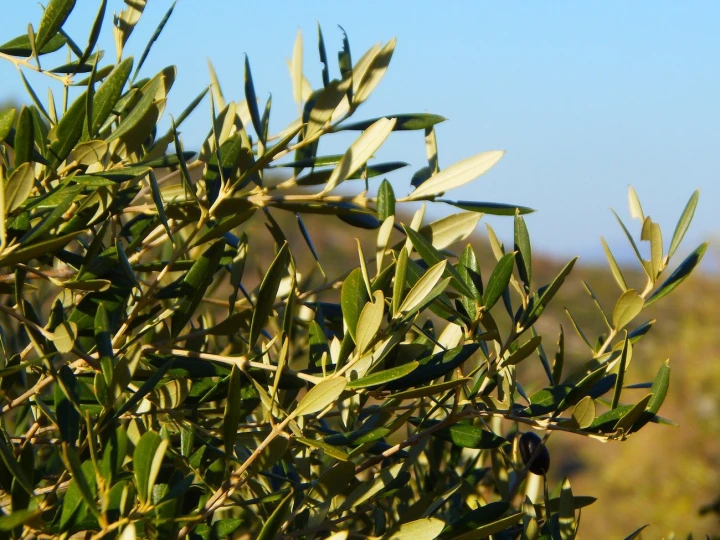
In the Ancient Olympics, there were no gold, silver, and bronze medals. Only one winner received a prize, and it was usually a crown of leaves. In the first years of the Olympics, the crown was from olive leaves. When the Ancient Olympics expanded to other areas, the prize depended on the area. In Delphi, the crown was of laurel. In Corinth, you received pine. The winner also usually received a red wool ribbon.
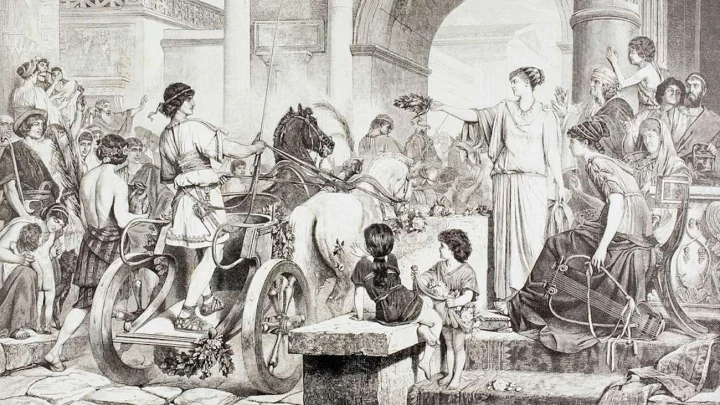
There was no financial prize for winning an event in the Ancient Olympics. But you became an important figure for your home town, and it often meant a hero’s welcome and local political power, sometimes for the rest of your life.
If you won an event in the Ancient Olympics, you could build a statue of yourself, or ask a poet to write about your heroic acts. The crown of leaves was the true prize though, because it guaranteed your honor and respect.
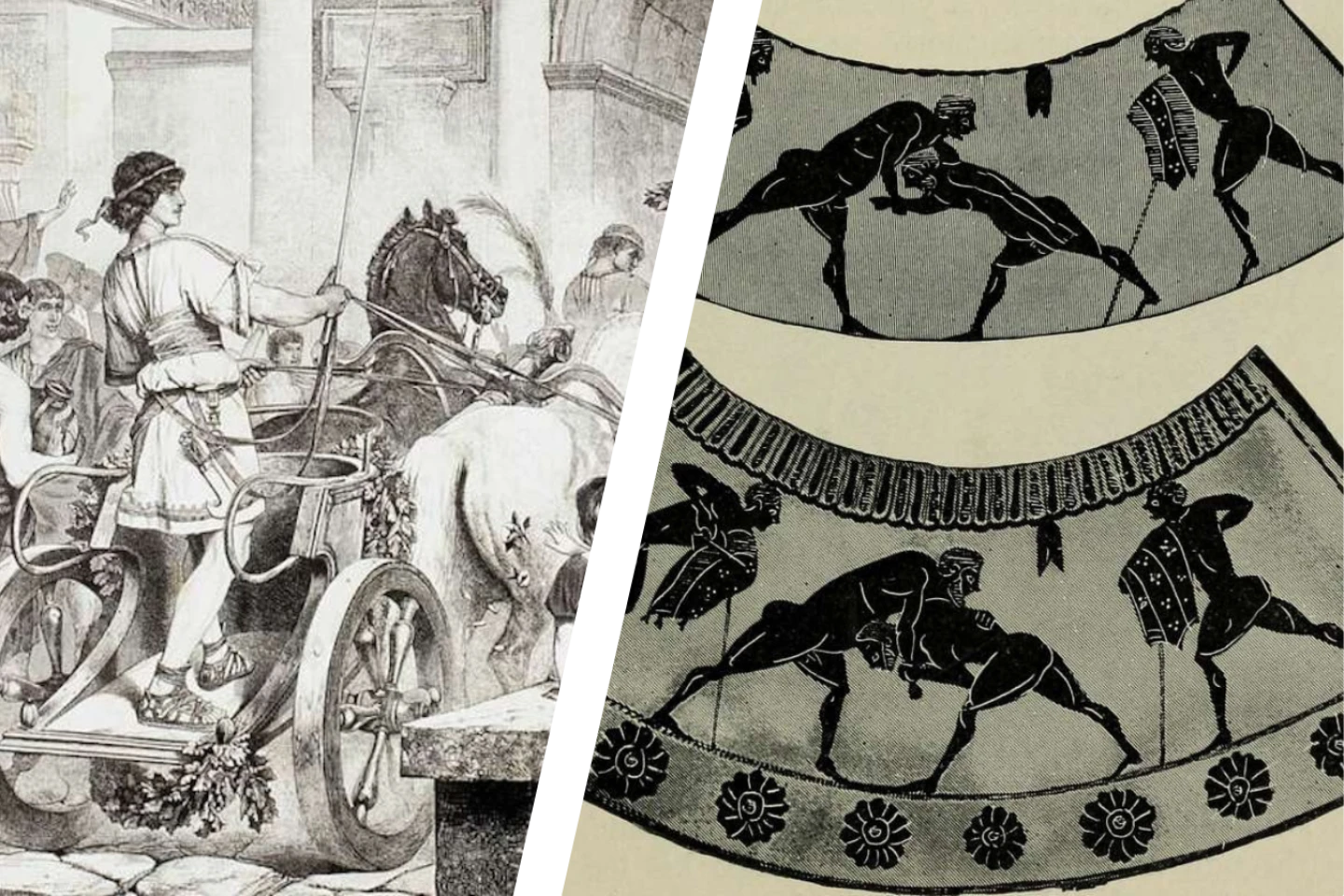
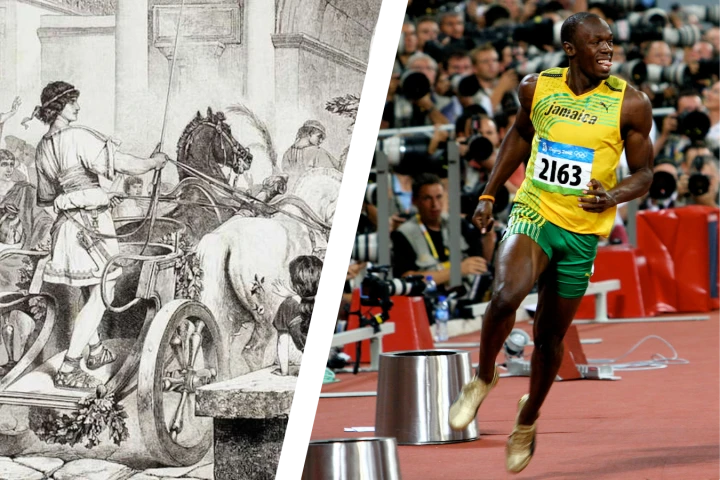
The chariot race was made famous by the Ben Hur movie and was one of the longest lasting events of the Ancient Olympics.
The race featured a driver which stood on an open-back carriage, which was pulled by 4 horses. It’s hard to imaging the power of four horses moving together. One horse is as strong as ten men, which means that four horses have the power and force of 40 men combined.
The horses raced around the track 12 times, covering 14,000 meters. It was critical to be first to the first corner. Imagine a Formula One race nowadays, where being first is always safer than being in a pack with other drivers. Collisions almost always happened, and it was not uncommon to see dramatic flips. Falls and life-threatening injuries were always a reality.
Paradoxically, the winner was not the chariot driver, but the owner of the horses. This meant women could win the chariot event. Kyniska, the daughter of King Archidamos of Sparta, was the first woman to win an Ancient Olympic event. Her chariot won in 396 B.C.
Boxing in the Ancient Olympics had no weight classifications, no scoring system, and no time limit. Athletes competed naked.
One of the most famous boxers in the Ancient Olympics was Diagoras of Rhodes, who won in the 464BC boxing event. He never ducked or tried to avoid a punch, but accepted each hit. His hope was entirely in his own winning punch.
Melankomas of Caria was known, instead, for his ability to avoid punches. This Olympic champion of 45 AD would avoid punches until the other fighter fell down in exhaustion. He once fought for two days straight.
If a winner could not be decided, both men could agree to something called “klimax”. In this system, each fighter would have a free punch at his opponent. As expected, the first person to punch (decided by a coin toss) was usually the winner.
For over one thousand years, the Greeks, and later the Romans, held the Ancient Olympics. It wasn’t until 393 AD that the Christian emperor Theodosius I stopped all pagan activities. This included the Ancient Olympics, because they were connected to sacrifices to Zeus and other Greek gods.
Even with the end of the Ancient Olympics, similar sports events and contests continued in the Greek provinces of the Roman empire until 500 AD.
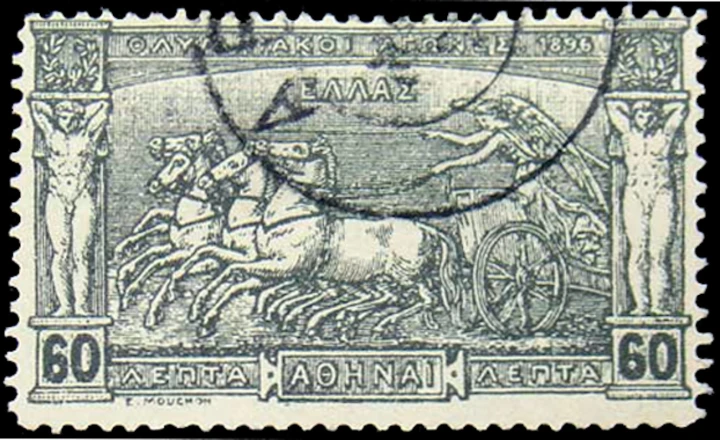
Fast forward to today, and the first Modern Olympics (the Olympics we know today) were held in 1896.
20.10.2026
There are some houses in Greece that gain fame because of the people who lived in them, such as writers and musicians, or even... a king!
05.10.2026
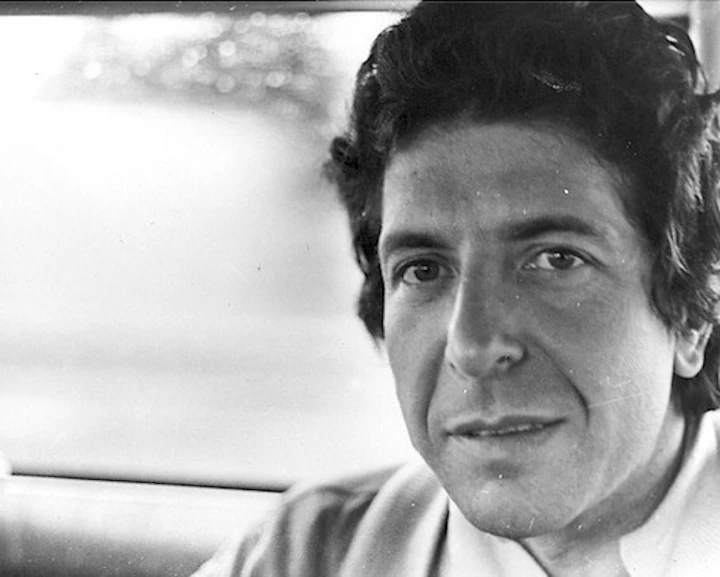
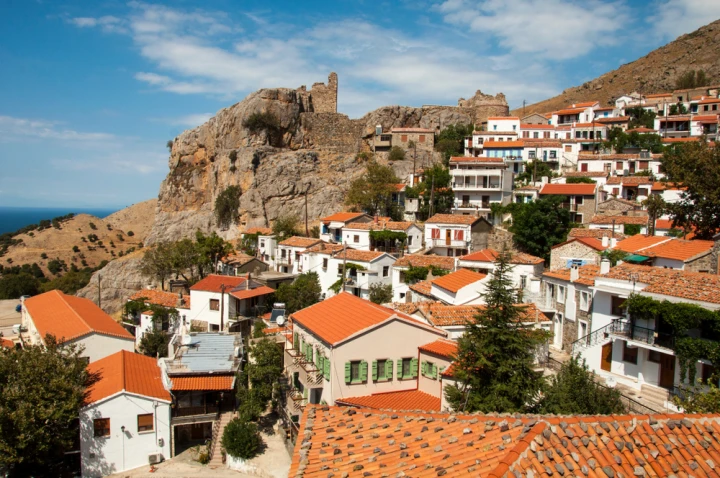
In his poem, "Days of Kindness", from 1985, Leonard Cohen describes Greece as being a good place to read by moonlight on the terrace. He knew this from experience. Hydra was his home for much of the 1960s. He arrived in the spring of 1960, aged 25, and later bought a house on the island, where he wrote much of his early work. Many places on Hydra still carry traces of him, even now that Hydra has become far better known.
16.04.2026
Greece is often associated with ancient history, island landscapes, and carefully preserved traditions. Less discussed, however, is another layer of its identity: its place names. Across the mainland and the islands, thousands of villages carry names that can sound unexpectedly funny or strikingly literal to a modern Greek speaker. These are not recent inventions or deliberate attempts at humor. Most date back centuries, shaped by geography, daily life, local dialects, and historical circumstances. What makes them stand out today is the shift in language over time. Words that once served as straightforward descriptions of land, resources, or communities can now feel unusually direct or unexpectedly humorous. Looking at these names more closely offers insight into how earlier generations observed their surroundings and chose to define them.
20.03.2026
Greece has long been more than a travel destination. For centuries, writers have been drawn to its history, natural beauty, and authenticity, finding in Greece not just a setting, but a source of inspiration that shapes narratives, characters, and perspectives.
19.02.2026
02.01.2026
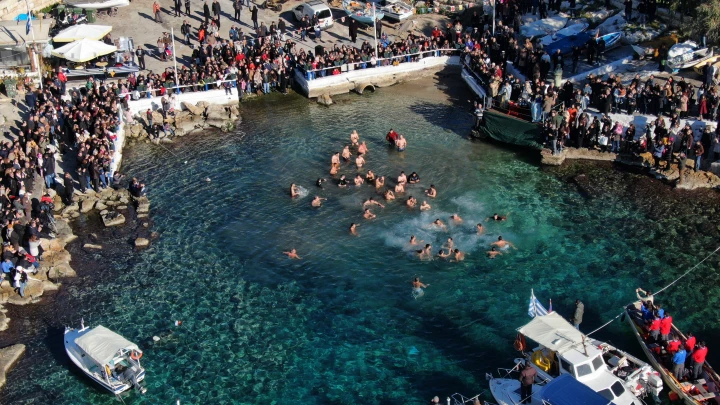
In Greece, the holiday season does not end on New Year’s Day. Instead, it culminates in one of the most symbolic celebrations of the year: Epiphany, known in Greek as Theofania. More than a religious holiday, Epiphany in Greece represents the triumph of light over darkness, a spiritual “new beginning” for individuals and communities. For anyone living in Greece, or dreaming of owning a home here, Epiphany offers one of the most authentic snapshots of local culture. From the blessing of the waters to ancient folk rituals, this day reveals the deep connection between the Greek people, nature, and tradition.
30.12.2025
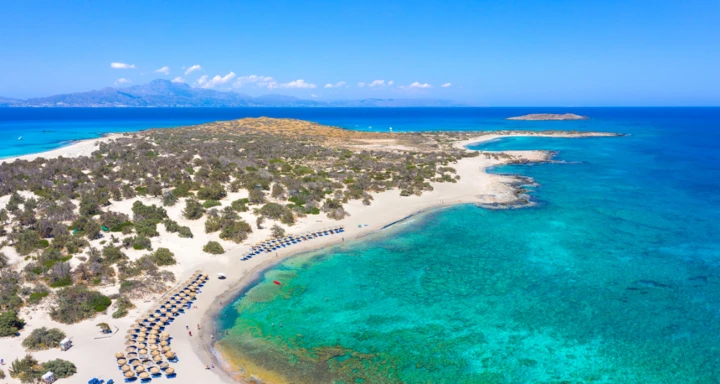
Crete is stepping into the global spotlight once again. According to Airbnb’s latest travel trend insights based on worldwide search data from Q3 2025, the island — and especially the iconic Samaria Gorge National Park — ranks among the most sought-after nature destinations for 2026. This surge reflects a broader shift in how people choose where to travel, live, and invest. Travellers are no longer looking only for beaches or city breaks. Instead, they are drawn to authentic natural environments, outdoor experiences, and destinations that offer both beauty and balance, qualities that Crete delivers effortlessly.
19.12.2025
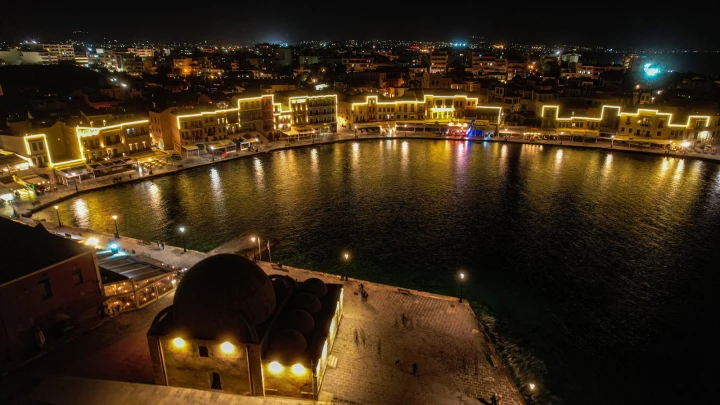
Greece is known mostly for its pristine beaches and its endless summers. Also, Greek cuisine, with its unique Mediterranean dishes, is widely sought after. What might feel surprising is the magical beauty during Christmas in Greece. The country has a long festive season that runs from Christmas to Epiphany (the “Φώτα” on 6 January), full of local customs, food traditions, and small village rituals that still matter to people today. Winter destinations are also famous in Greece, as according to the latest Monitoring Sentiment for Intra-European Travel report (Wave 23) by the European Travel Commission (ETC), Greece ranks among the top 10 most desired European destinations for travel between October 2025 and March 2026, holding a solid 7th place.