20.10.2026
The Most Famous Homes in Greece
There are some houses in Greece that gain fame because of the people who lived in them, such as writers and musicians, or even... a king!

History & Culture
01.10.2024
What are the foods Plato, Aristotle, and the mighty Alexander the Great could eat in Ancient Greece? What did the people of Ancient Greece eat daily? Did the food habits of the Ancient Greeks affect the eating habits of today’s Greeks?
The diet of the ancient Greeks was mostly sourced from local sources. The rocky landscape and the warmth of the Mediterranean sun allowed the Greeks to grow fruits and vegetables and also to keep livestock. Fish were naturally a part of the diet, since most Greeks lived near the coast.
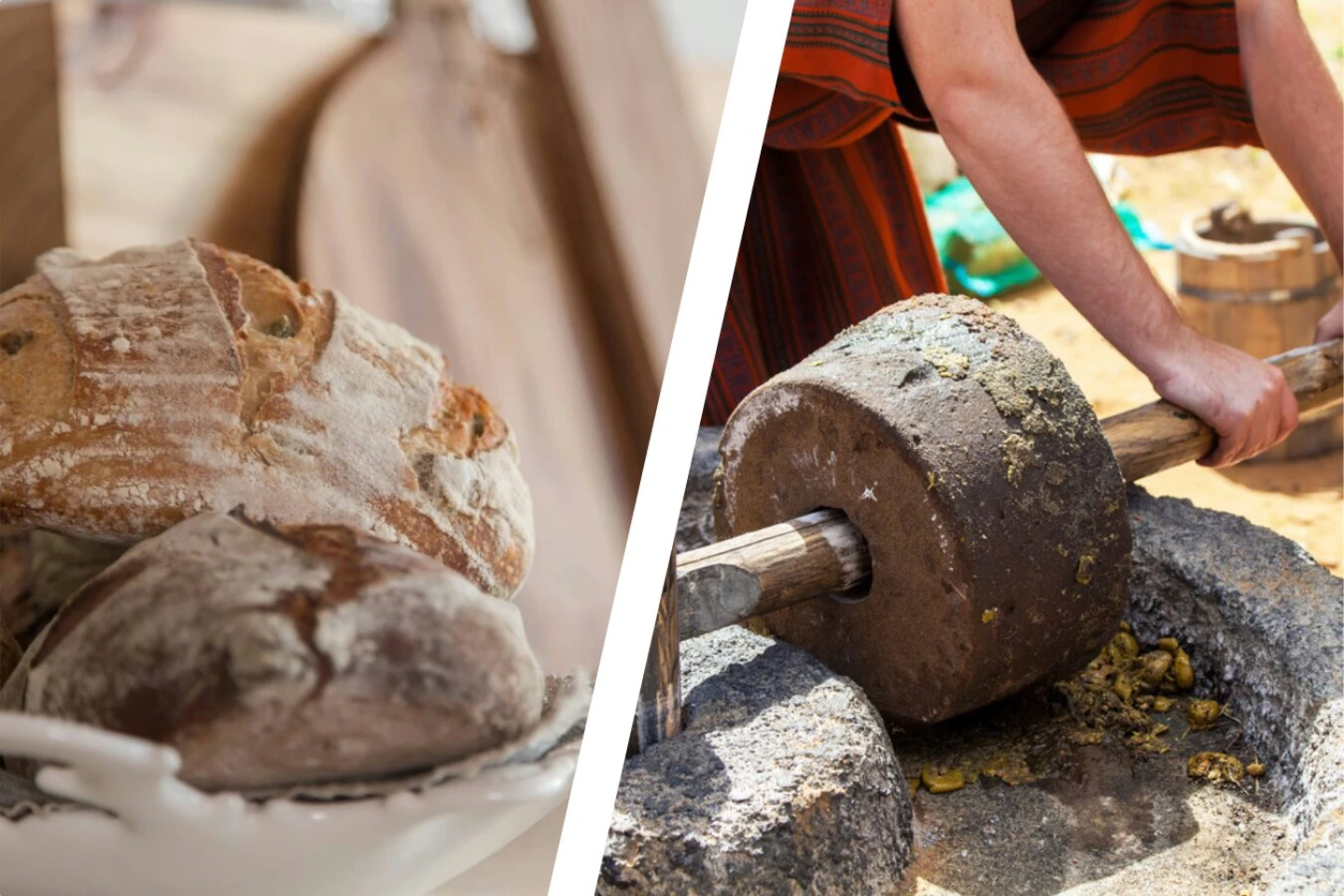
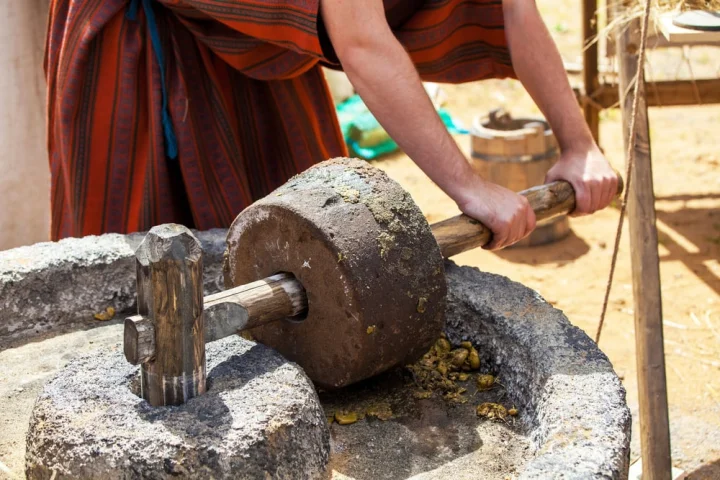
The terrain also made it possible to produce bread. Wheat and barley were the most common grains in the times of Ancient Greece. Grains were either eaten as bread, used in baked goods, porridge, or added to soups. Millet was also a common ingredient, and the Ancient Greeks used it to make unleavened bread.
Wine was usually consumed at meals, but always mixed with water. Drinking undiluted wine was uncivilized. Mixing wine with water in a three-to-one ratio had several benefits. You wouldn’t get drunk, and the diluted mixture gave hydration, calories, and great flavor. It was not considered good to be drunk in Ancient Greece. Also worth noting is another peculiar drink of the Ancient Greeks, known as “kykeon”. This beverage was a mix of barley gruel, water (or wine), herbs, and goat cheese, which resulted in a consistency something like a thick milkshake. We hope this opened your appetite, because now it’s time to explore mealtime in Ancient Greece.
Breakfast in the times of Ancient Greece was light. The most common breakfast was bread, usually made of barley, dipped into wine. This was considered ideal for starting the day of work. It was also possible, if they were bored of bread and wine, to eat something called “teganites”. This was like a pancake and was made of wheat flour, olive oil, honey, and curdled milk. Sounds delicious, right? It was also not uncommon to eat leftovers in the morning.
In Ancient Greece, the lunchtime meal was often light and included bread, cheese, olives, and occasionally fish. The light lunch was ideal for workers who didn’t want to be weighed down by a heavy meal. It’s possible that this tradition of multiple small plates of food became the “meze” tradition in Greece. In other areas of the Mediterranean and in the Middle East, it is possible to find similar traditions of small dishes or appetizers, like the Tapas culture in Spain.
Dinner was the largest and most important meal of the day for the working class in Ancient Greece. It was common at this time to meet with friends and to discuss philosophy (if you were from the middle or upper classes). At this time, men and women ate separately. If a family had slaves, the slaves would serve the men first, then the women, and then they would eat themselves.
Dessert was not very common in Ancient Greece and was usually only eaten in festivals or special times. Sugar wasn’t known in Ancient Greek times, so honey was the designated sweetener. Common desserts were cheese, figs, or olives topped with honey. Basically, if it had honey on it, it was dessert! Pictured below is sesame with honey -- a dessert also found today.
Today’s Greeks eat a lot more varied diet when compared to the Ancient Greeks. The core pieces of a traditional Greek diet, like legumes, fresh fruits and vegetables, and grains, are still prevalent, although today you will find more meat eaten by the average Greek. Also, many Greek cities are famous for their desserts, which were not around in Ancient Greek times. Similar to the Ancient Greeks, modern-day Greeks enjoy a light breakfast and lunch, and consider dinner as the main meal of the day. It is still common to enjoy wine with a meal in Greece, although it is rare to see public drunkenness or drinking to excess. Beer is also common as a mealtime beverage. If you add water to your wine as the Ancient Greeks did, a Greek might give you a funny look.
20.10.2026
There are some houses in Greece that gain fame because of the people who lived in them, such as writers and musicians, or even... a king!
05.10.2026
In his poem, "Days of Kindness", from 1985, Leonard Cohen describes Greece as being a good place to read by moonlight on the terrace. He knew this from experience. Hydra was his home for much of the 1960s. He arrived in the spring of 1960, aged 25, and later bought a house on the island, where he wrote much of his early work. Many places on Hydra still carry traces of him, even now that Hydra has become far better known.
16.04.2026
Greece is often associated with ancient history, island landscapes, and carefully preserved traditions. Less discussed, however, is another layer of its identity: its place names. Across the mainland and the islands, thousands of villages carry names that can sound unexpectedly funny or strikingly literal to a modern Greek speaker. These are not recent inventions or deliberate attempts at humor. Most date back centuries, shaped by geography, daily life, local dialects, and historical circumstances. What makes them stand out today is the shift in language over time. Words that once served as straightforward descriptions of land, resources, or communities can now feel unusually direct or unexpectedly humorous. Looking at these names more closely offers insight into how earlier generations observed their surroundings and chose to define them.
20.03.2026
Greece has long been more than a travel destination. For centuries, writers have been drawn to its history, natural beauty, and authenticity, finding in Greece not just a setting, but a source of inspiration that shapes narratives, characters, and perspectives.
19.02.2026
02.01.2026
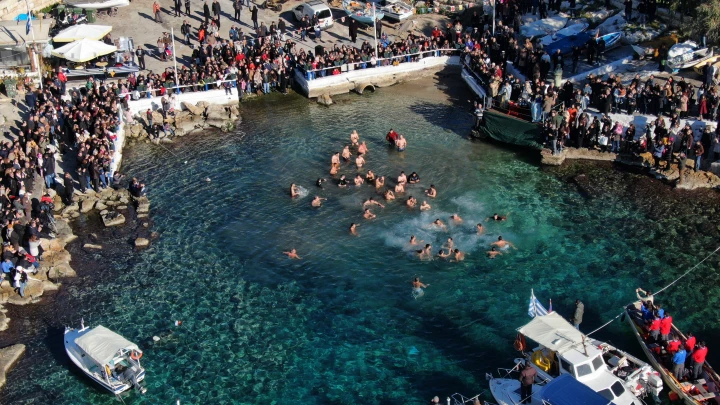
In Greece, the holiday season does not end on New Year’s Day. Instead, it culminates in one of the most symbolic celebrations of the year: Epiphany, known in Greek as Theofania. More than a religious holiday, Epiphany in Greece represents the triumph of light over darkness, a spiritual “new beginning” for individuals and communities. For anyone living in Greece, or dreaming of owning a home here, Epiphany offers one of the most authentic snapshots of local culture. From the blessing of the waters to ancient folk rituals, this day reveals the deep connection between the Greek people, nature, and tradition.
30.12.2025
Crete is stepping into the global spotlight once again. According to Airbnb’s latest travel trend insights based on worldwide search data from Q3 2025, the island — and especially the iconic Samaria Gorge National Park — ranks among the most sought-after nature destinations for 2026. This surge reflects a broader shift in how people choose where to travel, live, and invest. Travellers are no longer looking only for beaches or city breaks. Instead, they are drawn to authentic natural environments, outdoor experiences, and destinations that offer both beauty and balance, qualities that Crete delivers effortlessly.
19.12.2025
Greece is known mostly for its pristine beaches and its endless summers. Also, Greek cuisine, with its unique Mediterranean dishes, is widely sought after. What might feel surprising is the magical beauty during Christmas in Greece. The country has a long festive season that runs from Christmas to Epiphany (the “Φώτα” on 6 January), full of local customs, food traditions, and small village rituals that still matter to people today. Winter destinations are also famous in Greece, as according to the latest Monitoring Sentiment for Intra-European Travel report (Wave 23) by the European Travel Commission (ETC), Greece ranks among the top 10 most desired European destinations for travel between October 2025 and March 2026, holding a solid 7th place.