

20.10.2026
The Most Famous Homes in Greece
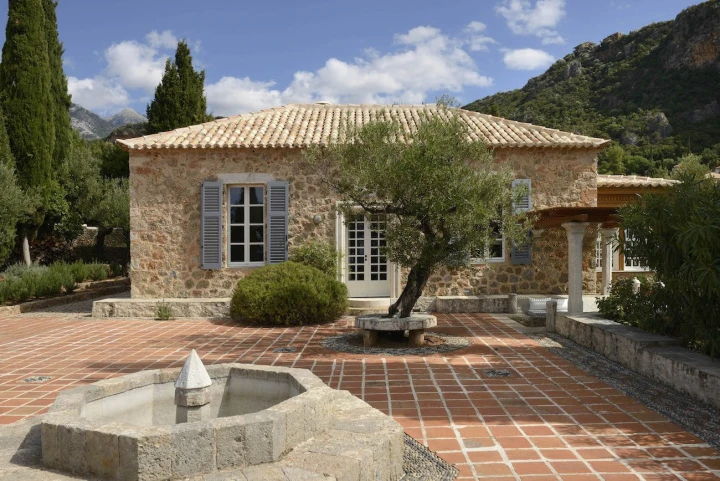
There are some houses in Greece that gain fame because of the people who lived in them, such as writers and musicians, or even... a king!
History & Culture
27.10.2025
Every October 28, Greece celebrates Ohi Day, one of the country’s most symbolic national holidays. While it may sound simple, this single word, “Ohi” (Όχι), meaning “No,” marks a defining moment in modern Greek history, a day when courage, dignity, and unity stood against impossible odds, during one of Europe’s most difficult times. For locals, the day is both a historical anniversary and a cultural tradition, reminding people how unity and resilience can define a nation. For visitors and foreign residents, it’s a moment to see Greece beyond its summer beauty.
In the early hours of October 28, 1940, during World War II, the Italian ambassador in Athens delivered an ultimatum to the Greek Prime Minister, Ioannis Metaxas. Italy, under Mussolini, demanded that Greece allow Axis forces to enter and occupy key strategic locations in the country. Greece’s answer was a simple“No”.A few hours later, Italian troops invaded Greece through the Albanian border, and Greece entered the war. What followed surprised the world. Despite being vastly outnumbered and under-equipped, the Greek army pushed the Italian forces back into Albania. It was the first time during the war that an Axis power suffered defeat, boosting Allied morale across Europe. Winston Churchill famously remarked, “Hence we will not say that Greeks fight like heroes, but that heroes fight like Greeks.”
The 28th of October is a national public holiday in Greece, and it’s celebrated across the country with parades, ceremonies, and local events. Morning ceremonies are held at local churches and war memorials; schoolchildren and students march in parades carrying Greek flags. In Thessaloniki, a large military parade takes place, while smaller ones happen throughout the country. Shops and public offices close, and families often spend the day together. The day is also a moment for reflection. Families visit monuments and war memorials, schools hold educational events, and museums often host free exhibitions about World War II and Greece’s role in it. In addition, many Greek communities around the world celebrate the anniversary of the"No" vote.
For many Greeks, it’s also a chance to recognise the endurance of their parents and grandparents who lived through hardship, and to appreciate peace as something not to be taken for granted. If you happen to be in Greece on October 28, you’ll notice flags on balconies and public buildings, streets filled with people watching parades or attending small-town ceremonies. October 28 is a day to honour the resistance struggle and its victims, an authentic struggle of Greek society against Nazism and fascism. Ohi Day is not just about saying“No” to these forms of oppression. It’s about saying“Yes” to courage, freedom, and solidarity. Whether you’re a visitor, an expat, or a homeowner, October 28 is the perfect day to pause, reflect, and understand a little more about Greece and its history.
20.10.2026
There are some houses in Greece that gain fame because of the people who lived in them, such as writers and musicians, or even... a king!
05.10.2026
In his poem, "Days of Kindness", from 1985, Leonard Cohen describes Greece as being a good place to read by moonlight on the terrace. He knew this from experience. Hydra was his home for much of the 1960s. He arrived in the spring of 1960, aged 25, and later bought a house on the island, where he wrote much of his early work. Many places on Hydra still carry traces of him, even now that Hydra has become far better known.
16.04.2026
Greece is often associated with ancient history, island landscapes, and carefully preserved traditions. Less discussed, however, is another layer of its identity: its place names. Across the mainland and the islands, thousands of villages carry names that can sound unexpectedly funny or strikingly literal to a modern Greek speaker. These are not recent inventions or deliberate attempts at humor. Most date back centuries, shaped by geography, daily life, local dialects, and historical circumstances. What makes them stand out today is the shift in language over time. Words that once served as straightforward descriptions of land, resources, or communities can now feel unusually direct or unexpectedly humorous. Looking at these names more closely offers insight into how earlier generations observed their surroundings and chose to define them.
20.03.2026
Greece has long been more than a travel destination. For centuries, writers have been drawn to its history, natural beauty, and authenticity, finding in Greece not just a setting, but a source of inspiration that shapes narratives, characters, and perspectives.
19.02.2026
02.01.2026
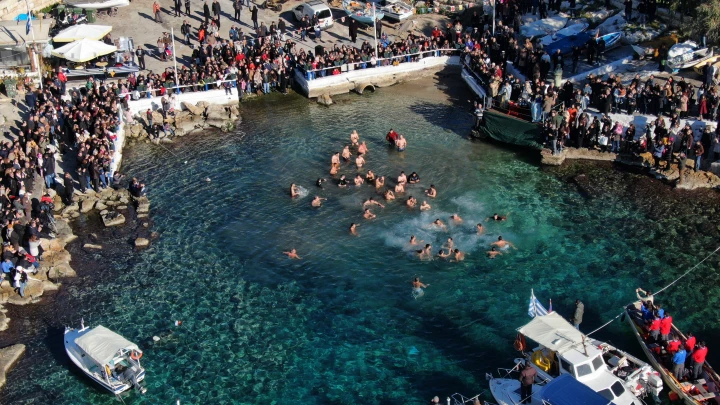
In Greece, the holiday season does not end on New Year’s Day. Instead, it culminates in one of the most symbolic celebrations of the year: Epiphany, known in Greek as Theofania. More than a religious holiday, Epiphany in Greece represents the triumph of light over darkness, a spiritual “new beginning” for individuals and communities. For anyone living in Greece, or dreaming of owning a home here, Epiphany offers one of the most authentic snapshots of local culture. From the blessing of the waters to ancient folk rituals, this day reveals the deep connection between the Greek people, nature, and tradition.
30.12.2025
Crete is stepping into the global spotlight once again. According to Airbnb’s latest travel trend insights based on worldwide search data from Q3 2025, the island — and especially the iconic Samaria Gorge National Park — ranks among the most sought-after nature destinations for 2026. This surge reflects a broader shift in how people choose where to travel, live, and invest. Travellers are no longer looking only for beaches or city breaks. Instead, they are drawn to authentic natural environments, outdoor experiences, and destinations that offer both beauty and balance, qualities that Crete delivers effortlessly.
19.12.2025
Greece is known mostly for its pristine beaches and its endless summers. Also, Greek cuisine, with its unique Mediterranean dishes, is widely sought after. What might feel surprising is the magical beauty during Christmas in Greece. The country has a long festive season that runs from Christmas to Epiphany (the “Φώτα” on 6 January), full of local customs, food traditions, and small village rituals that still matter to people today. Winter destinations are also famous in Greece, as according to the latest Monitoring Sentiment for Intra-European Travel report (Wave 23) by the European Travel Commission (ETC), Greece ranks among the top 10 most desired European destinations for travel between October 2025 and March 2026, holding a solid 7th place.