

20.10.2026
The Most Famous Homes in Greece
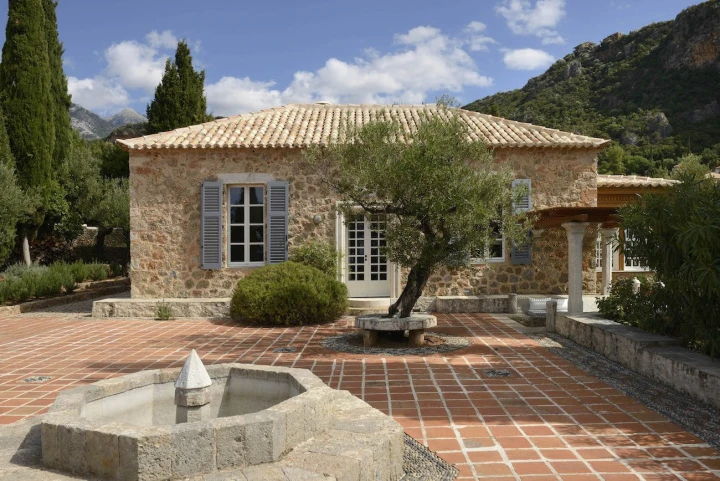
There are some houses in Greece that gain fame because of the people who lived in them, such as writers and musicians, or even... a king!
History & Culture
20.08.2024
What were the most luxurious inventions of Ancient Greece? The Ancient Greeks were known for their sophisticated dinner banquets, the philosophers' symposia (with plenty of Greek wine), and pagan rituals related to the God Dionysus which usually involved drinking and dancing. If you owned a luxury villa in Ancient Greece, you had access to all the latest luxury technology, and it was made possible by the genius engineering of Ancient Greek inventors. What were the best luxury inventions of the Greeks in Ancient Greece?
The Ancient Greeks built the first walk-in shower that was continually flowing with water. Of course, most Ancient Greeks would bathe in a river if they could, so walk-in showers weren’t necessary. However, wealthy homes started to build their own private, comfortable showers to show off the power they had to control fresh water. Later on, cities in Ancient Greece made public showers for all citizens.
The first time an alarm system was invented was in Ancient Greece by Heron of Alexandria. He installed it on the gates and windows of his house, and it used a trumpet and a vase full of water. The trumpet was tied onto a pole. When the door opened, the pole was pushed aside, so the trumpet fell into the vase. Because of the pressure difference, the air exited through the trumpet and let out a loud sound.
Heron of Alexandra was so famous in Ancient Greece that he invented other luxury items. He created the first automatic doors. This miracle of engineering needed fire, water, scales, and levers. The water was heated, and the steam moved a special scale. The movement of the scale pushed a lever, which then pushed the doors open. When the heating stopped, the doors closed again. While automatic doors probably weren’t used in homes, but in public settings, it was remarkable that the Greeks could engineer something like this.
Imagine standing in a luxury villa in Ancient Greece and feeling heat coming from under your feet. This is usually a luxury feature even today, and the Ancient Greeks were famous for creating the first underfloor heating system. The first underfloor heating system was in the Ancient Greek temple of Artemis in Ephesus. Hot air traveled through pipes under the floor, and heat spread across the luxurious rooms, leading to a great barefoot experience. The weather in Greece in the days of Ancient Greece was more mild, so underfloor heating was likely a big benefit in the winter.
If you were part of the aristocracy in Ancient Greece, wine and philosophy were surely a part of your life. If you were particularly wealthy, you even could buy a robot to pour wine for you. The Ancient Greeks used to mix wine with water, and the inventor named Philon invented a robot that would automatically mix water and wine for you. The "robot" looked like a statue of a female servant, and in her right hand, she held a jug of wine. (Really, there was no wine in the jug, but a tube connected a tank of wine in her stomach to the end of her right hand, where the opening of the jug would be). A visitor could put a cup in the palm of her hand, and then the "robot" would fill it alternately with water and wine. The usual proportions were three parts water to one part wine.
This special jug was more economical compared to having your own robot. It was also designed by Philon (we imagine he must have loved his wine), and it was created to pour wine automatically. The jug was separated into compartments with water and wine. By placing your finger on a hole on the side of the jug, you could control which came out of the jug: water or wine. The systems were more complex, however, than just stopping the flow of the liquid with your finger. Depending on the holes you covered, the distribution of air inside would change, and a different liquid would come out (sometimes water, sometimes wine, and sometimes a mix of water and wine).
20.10.2026
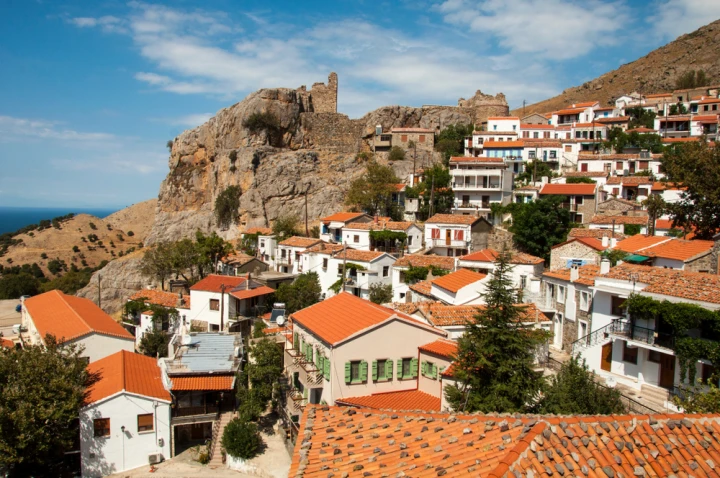
There are some houses in Greece that gain fame because of the people who lived in them, such as writers and musicians, or even... a king!
05.10.2026
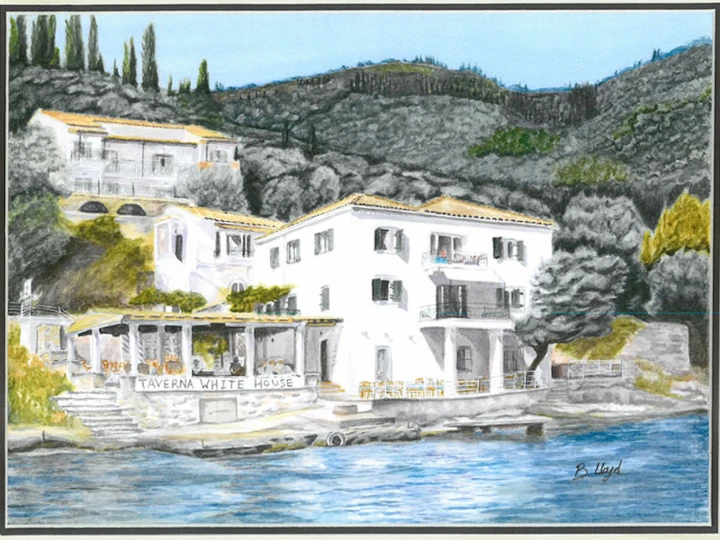
In his poem, "Days of Kindness", from 1985, Leonard Cohen describes Greece as being a good place to read by moonlight on the terrace. He knew this from experience. Hydra was his home for much of the 1960s. He arrived in the spring of 1960, aged 25, and later bought a house on the island, where he wrote much of his early work. Many places on Hydra still carry traces of him, even now that Hydra has become far better known.
16.04.2026
Greece is often associated with ancient history, island landscapes, and carefully preserved traditions. Less discussed, however, is another layer of its identity: its place names. Across the mainland and the islands, thousands of villages carry names that can sound unexpectedly funny or strikingly literal to a modern Greek speaker. These are not recent inventions or deliberate attempts at humor. Most date back centuries, shaped by geography, daily life, local dialects, and historical circumstances. What makes them stand out today is the shift in language over time. Words that once served as straightforward descriptions of land, resources, or communities can now feel unusually direct or unexpectedly humorous. Looking at these names more closely offers insight into how earlier generations observed their surroundings and chose to define them.
20.03.2026
Greece has long been more than a travel destination. For centuries, writers have been drawn to its history, natural beauty, and authenticity, finding in Greece not just a setting, but a source of inspiration that shapes narratives, characters, and perspectives.
19.02.2026
02.01.2026
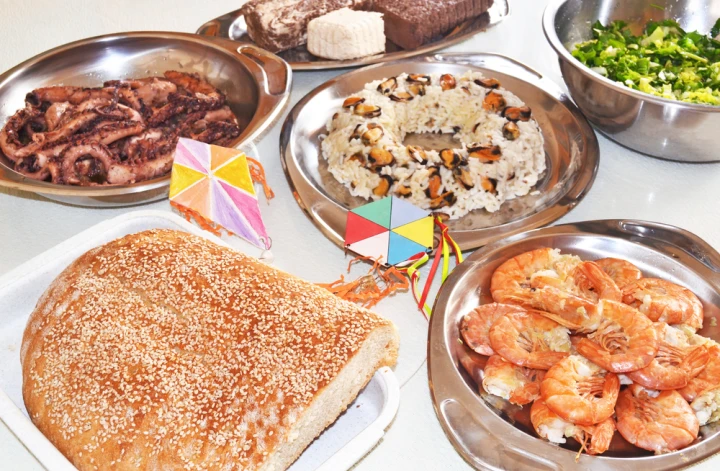
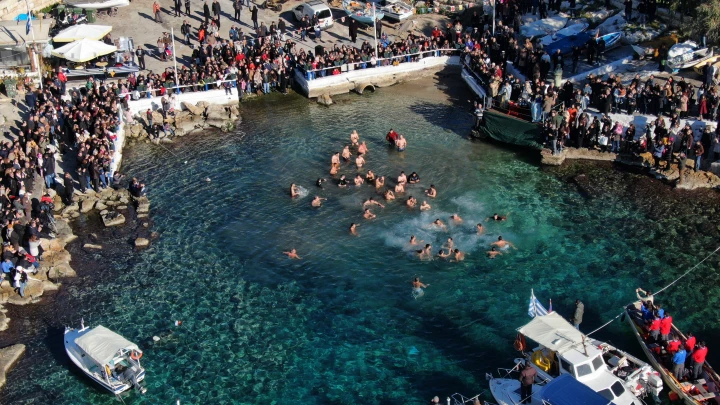
In Greece, the holiday season does not end on New Year’s Day. Instead, it culminates in one of the most symbolic celebrations of the year: Epiphany, known in Greek as Theofania. More than a religious holiday, Epiphany in Greece represents the triumph of light over darkness, a spiritual “new beginning” for individuals and communities. For anyone living in Greece, or dreaming of owning a home here, Epiphany offers one of the most authentic snapshots of local culture. From the blessing of the waters to ancient folk rituals, this day reveals the deep connection between the Greek people, nature, and tradition.
30.12.2025
Crete is stepping into the global spotlight once again. According to Airbnb’s latest travel trend insights based on worldwide search data from Q3 2025, the island — and especially the iconic Samaria Gorge National Park — ranks among the most sought-after nature destinations for 2026. This surge reflects a broader shift in how people choose where to travel, live, and invest. Travellers are no longer looking only for beaches or city breaks. Instead, they are drawn to authentic natural environments, outdoor experiences, and destinations that offer both beauty and balance, qualities that Crete delivers effortlessly.
19.12.2025
Greece is known mostly for its pristine beaches and its endless summers. Also, Greek cuisine, with its unique Mediterranean dishes, is widely sought after. What might feel surprising is the magical beauty during Christmas in Greece. The country has a long festive season that runs from Christmas to Epiphany (the “Φώτα” on 6 January), full of local customs, food traditions, and small village rituals that still matter to people today. Winter destinations are also famous in Greece, as according to the latest Monitoring Sentiment for Intra-European Travel report (Wave 23) by the European Travel Commission (ETC), Greece ranks among the top 10 most desired European destinations for travel between October 2025 and March 2026, holding a solid 7th place.