29.10.2026
Living in Corfu Year-Round: The Basics Before Buying a House
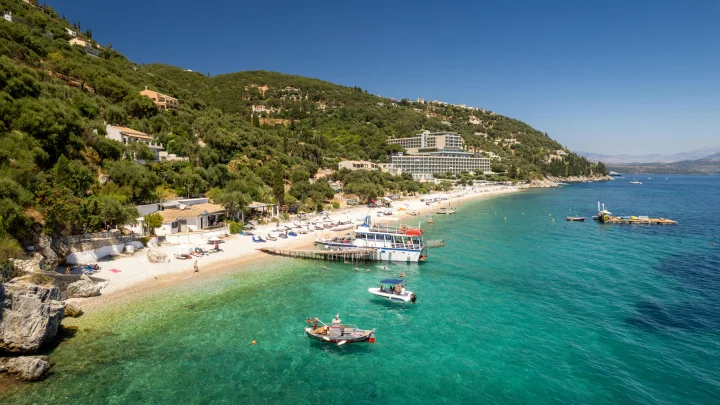
Corfu is a well-known island in Greece, particularly popular as a vacation destination, but it’s much more than that.
Regional Guides
17.10.2025
Yes, and the evidence is that roughly five million people a year agree, many of them on their fifth or tenth visit. The more useful question is whether Crete is worth it for you, and that depends on what you are after. Crete is not the prettiest postcard in Greece; Santorini takes that prize. What it offers instead is range: a Bronze Age palace in the morning, a 16-kilometre gorge the next day, a Venetian harbour in the evening, and a mountain village in between where the owner of the taverna decides what you are eating. No other Greek island can run that itinerary. A word of honesty before the praise, since some articles claim Crete is "unlike touristy destinations": Crete is the most visited region in Greece. The north coast in August is busy, and the famous beaches are very busy. The island gets away with it because it is large enough that tourism occupies one coast and one season, while the rest of Crete carries on being a place where people farm, fish, and argue about olive oil. Both versions are real; you choose which one to spend your time in.
Size and depth. At 260 kilometres end to end, Crete is less an island than a small country, with snow on the White Mountains into May while people swim below. That scale produces the variety smaller islands cannot: the Samaria Gorge, the beaches of the west and south, three Venetian harbour towns, and an interior of villages and plateaus most visitors never reach. The depth is Minoan. While the rest of the Aegean shows you classical Greece, Crete was home to Europe's first advanced civilisation, a thousand years older still. The Palace of Knossos, often called Europe's oldest city, anchors that story, and the Heraklion Archaeological Museum holds the originals of nearly everything found there. There is also a living layer that surprises first-time visitors: Cretan music, the glendi feasts, and a food culture distinct from mainland Greece, built on its own oil, cheese and mountain greens.
Most articles answer this question without a single number, so here are some, as a rough guide and subject to the usual drift of prices. Entry to Knossos costs 20 euros at full rate, half that reduced, and is free for EU visitors up to 25, with a combined ticket available for the Heraklion museum. A dinner in a traditional taverna with house wine commonly lands between 15 and 25 euros a head, a gyros costs around a fiver, and a morning coffee by a village square remains one of Europe's cheaper pleasures. Car rental is the main variable: in May, June or September a small car often costs in the region of 30 to 40 euros a day, while August can run to roughly double, and booking early matters more than haggling. The broader point holds: compared with the Amalfi Coast, the French Riviera or the Balearics in season, Crete delivers similar coastline and better food for noticeably less money, especially outside July and August. The savings compound in the shoulder months, when accommodation drops sharply and the weather barely does.
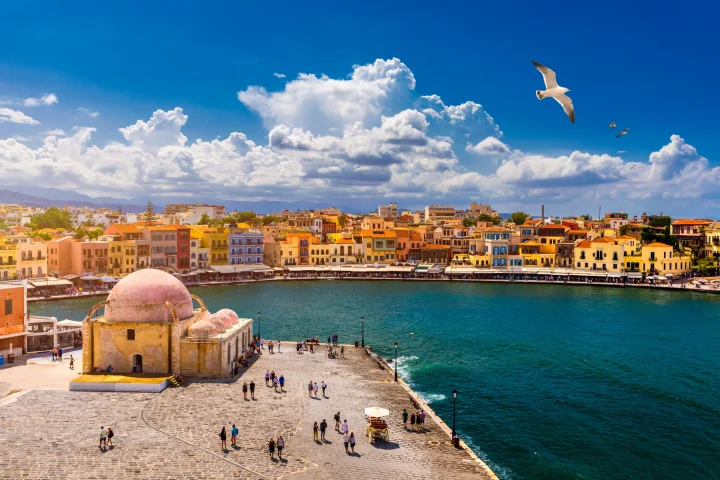
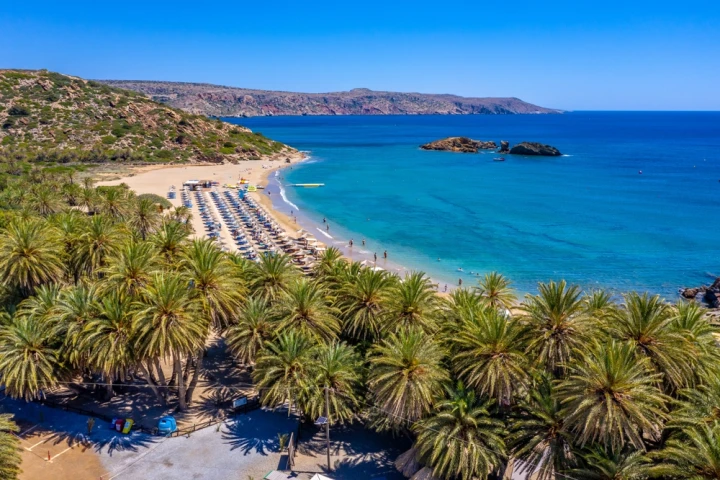
Knossos, with two caveats that improve the visit: go early, since shade is scarce, and pair it with the Heraklion museum, where the famous frescoes actually live. Chania's old town and harbour, ideally in the morning or evening rather than the midday crush. One of the great gorges: Samaria for the fit, the shorter Imbros for everyone else. And one of the western beaches: Elafonisi's shallow lagoon, or Falassarna for the sunset. Balos belongs on the list with an asterisk, since access is by boat or a rough road and recent seasons have brought visitor caps; treat it as a planned excursion in June or September, not an August whim. The less-listed experiences tend to outlast the famous ones in memory: a village festival with live lyra, an olive oil tasting at a small press, lunch in Archanes or Kritsa, or simply driving the south coast where the crowds thin to nothing.
June and September, if you can choose freely: warm sea, full services, manageable crowds, fair prices. July and August deliver certainty at peak cost and suit those bound to school holidays. April, May and October reward hikers and culture-focused visitors with wildflowers, open trails and quiet sites, at the price of an occasional rainy day. Winter is for a different trip entirely, and an interesting one: the cities stay alive, the mountains turn white, and anyone weighing a longer-term relationship with the island learns more in a February week than in three Augusts.
The famous sites are crowded in season, and parking in the old towns is a sport without winners. A car is close to mandatory, and the mountain roads ask for a calm driver. Service runs on Cretan time, which is part of the charm until you are in a hurry. Summer midday heat shuts down ambitious plans between noon and five. None of these are reasons not to go; they are reasons to go in the right month, stay in the right base and plan the big excursions for early morning.
We see the pattern professionally: the holiday repeats, the fortnight stretches, and at some point the question changes from "where shall we stay" to "what would it mean to own here." The pull is rarely the beaches alone. It is the combination of a genuine year-round society, a climate that makes outdoor life normal ten months of the year, direct flights to Northern Europe from two airports, and a cost of living that stretches a pension or a remote salary considerably further than at home. For those starting to think along these lines, two pieces of advice from long experience. First, rent before you buy, and rent in the off-season: a winter month in your shortlisted area teaches you more than any viewing trip, and it is the cheapest mistake-prevention available. Second, budget the purchase realistically from the start: in Greece, taxes and fees add roughly 10% on top of the purchase price when using a lawyer and an agent, and knowing that number early keeps the search honest.
Prices, opening arrangements and access rules change from season to season; treat the figures above as indicative and check current details when planning. For any property purchase, the specifics of costs and process should be confirmed for your individual case.
29.10.2026
Corfu is a well-known island in Greece, particularly popular as a vacation destination, but it’s much more than that.
27.10.2026
The first thing that probably comes to your mind when you hear the words “Ionian Sea” is its islands. On the mainland side, though, there are a few regions that can be considered a practical and smart choice for international property buyers.
23.10.2026
For international property buyers and future permanent residents, Lefkada can be a very smart option.
22.10.2026
Crete, in general, has been particularly appealing when it comes to real estate, both for permanent living and for investment opportunities.
22.09.2026
The Peloponnese gets far less international attention than Santorini or Mykonos, and for buyers, that is part of the appeal. The peninsula has a long and varied coastline, mountain villages that stay lived-in through winter, and some of the country's best-known ancient sites, Mycenae, Olympia, and Epidaurus among them. Prices here have stayed closer to reality than on the popular islands, mostly because foreign demand arrived later. If you are willing to look past the obvious destinations, the Peloponnese gives you more for your money and a region that does not shut down in October.
29.07.2026
One of Greece's unparalleled advantages is the bounty of islands it offers, with countless places to explore, all set against the backdrop of the endless blue sea. However, figuring out where each of these islands is located can be tricky. The purpose of this guide, therefore, is to provide a simple and easy-to-understand overview of Greece's island groups.
04.06.2026
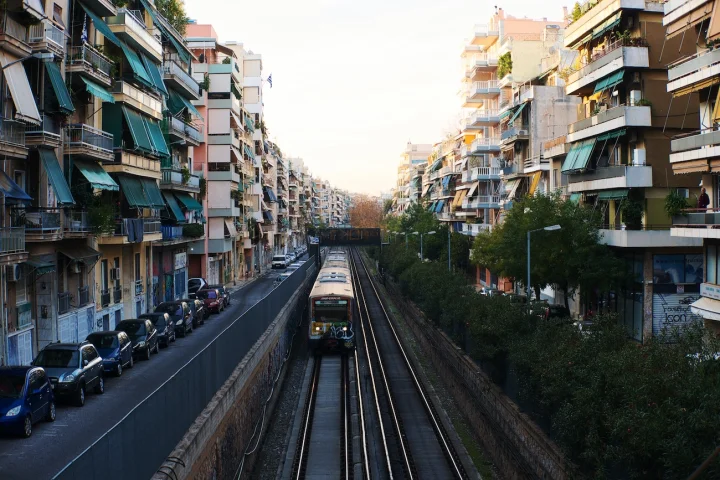
It's a sensible thing to check before you start house-hunting, and the answer is a qualified yes. There is a train, but it only reaches the northern edge of the Peloponnese. Athens connects by rail to Kiato, and on towards Aigio, with a bus completing the run to Patras while the line is being finished. Beyond that, the peninsula has very little passenger rail, so the popular spots like Nafplio, Kalamata, and the Mani are reached by road. For most buyers, that makes the bus or the car the practical choice. Here's the full picture, and what it means if you're thinking of a home here.
24.05.2026
Crete is referred to with the nickname “island of the gods.” The famous Greek island is known for its history, its welcoming people, its picturesque landscapes, and its high quality of life. It seems like everyone is always in a good mood, even when there is a disagreement. What's not to like? In this article, we break down why Crete is the ideal place to buy a second home.