29.10.2026
Living in Corfu Year-Round: The Basics Before Buying a House
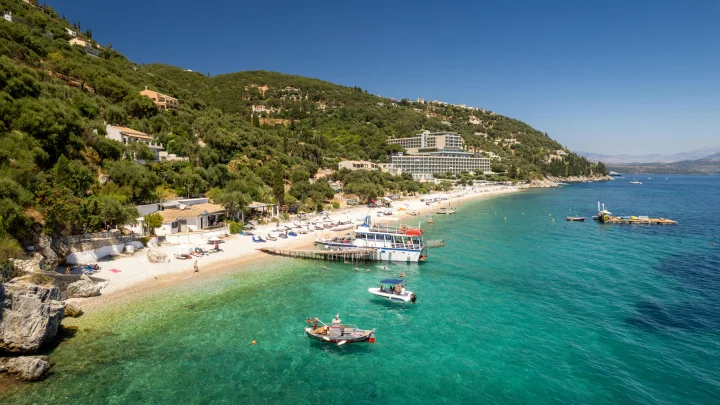
Corfu is a well-known island in Greece, particularly popular as a vacation destination, but it’s much more than that.
Regional Guides
26.09.2025
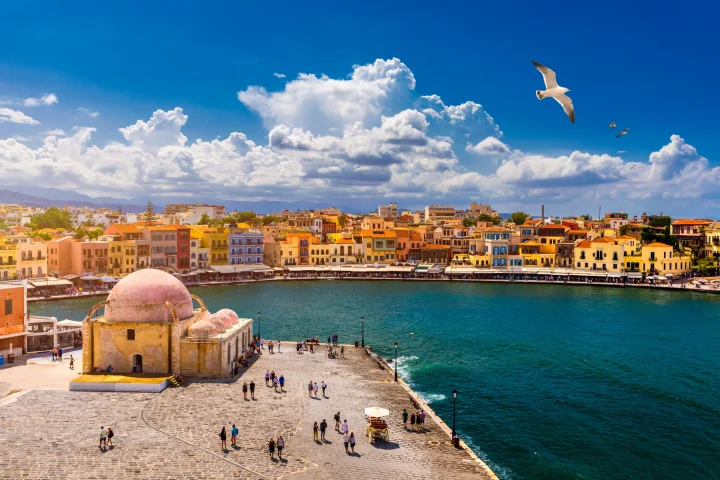
Yes, Chania is definitely touristy, especially during summer when millions visit its iconic Venetian harbour and stunning beaches. However, smart timing and local knowledge can help you experience authentic Chania beyond the crowds. Peak season runs July-August with cruise ships adding thousands of daily visitors, but shoulder seasons offer the perfect balance of good weather and manageable tourism levels. Discover hidden neighbourhoods like Koum Kapi where locals live, authentic morning markets, and traditional workshops that showcase genuine Cretan culture away from tourist routes.
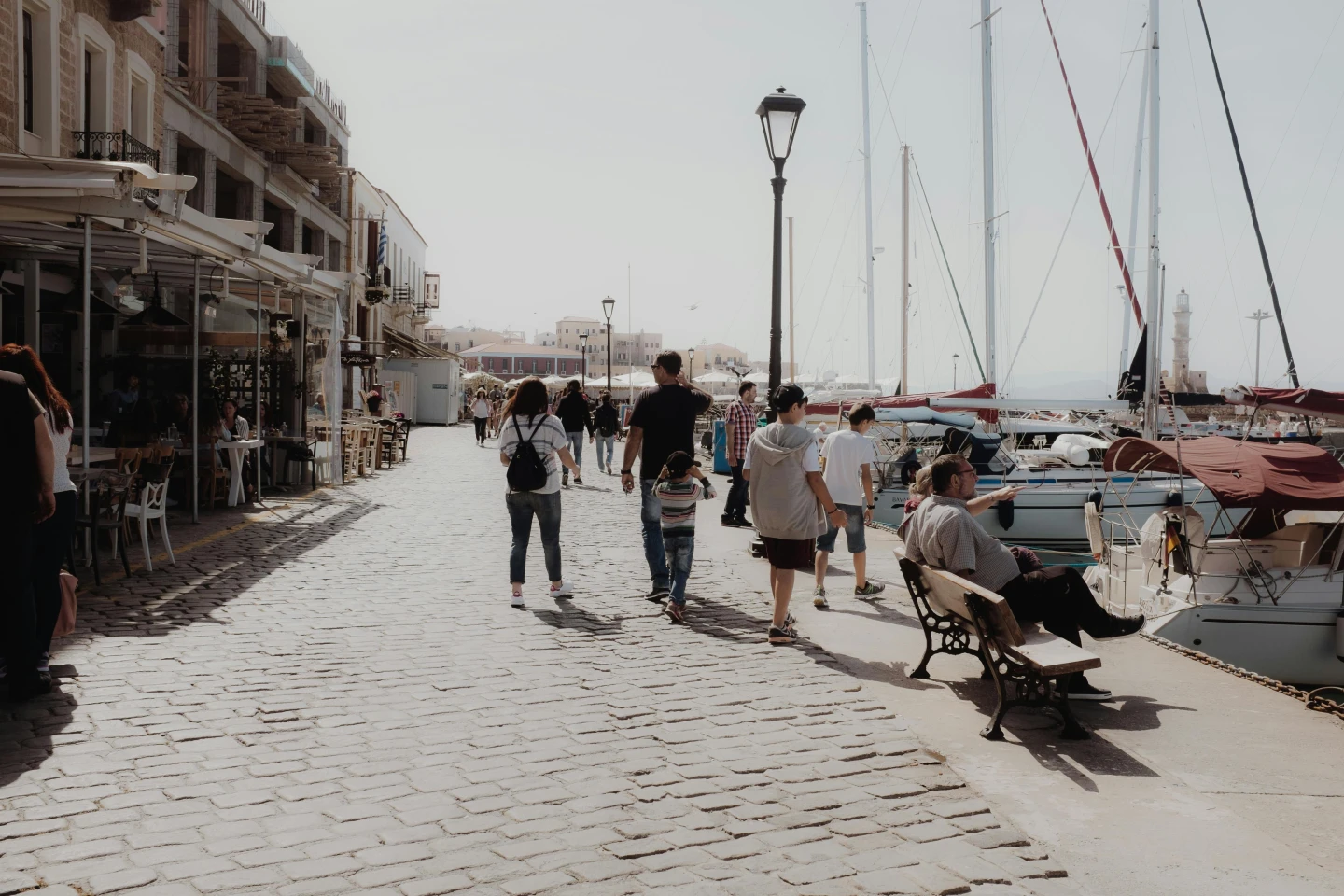
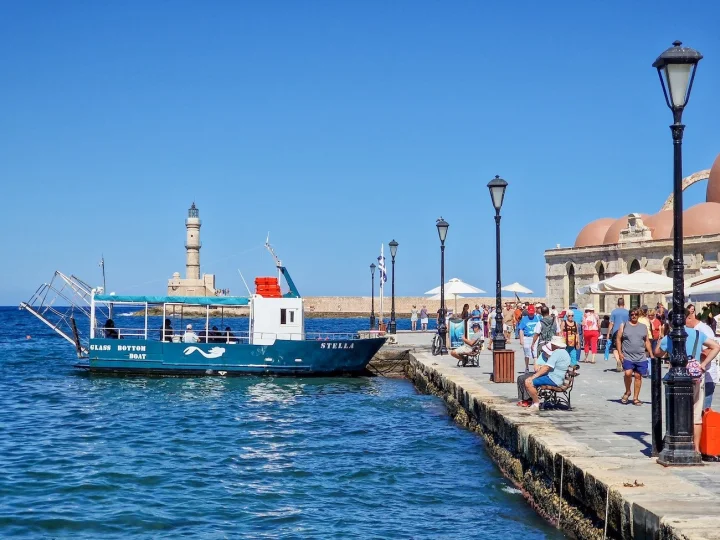
Concentration, mostly. The things everyone comes for- the Venetian harbour, the lighthouse, Halidon Street and the old town lanes- sit within a few hundred metres of each other, so even moderate visitor numbers compress into a small, photogenic funnel. Add an international airport with direct flights from across Europe, a port, and an old town full of multilingual menus and souvenir shops, and the centre in high summer has an unmistakably commercial buzz. By Greek standards, Chania sits in the busy tier alongside Santorini's caldera towns and Rhodes old town, far above the quiet islands, though without the velvet-rope intensity of Mykonos. The crucial difference from pure resort destinations is depth: step two streets back from the harbour, and you are in neighbourhoods where people live year-round.
Mid-July to late August is peak, and within each day the pressure point is the harbour front from late afternoon to around 9 pm, when the sunset dining and photography crowd converges. Mornings before 9 am are remarkably calm even in August, and they are when the old town belongs to delivery bikes, cats and the open market. Cruise traffic adds a second rhythm. Ships dock at Souda, a short drive east, and bus their passengers to the old town for the day. The scale is meaningful but not Santorini-like: the port handled around 130 cruise calls carrying roughly 280,000 passengers in 2024, an average of about 2,000 people per ship, with call numbers rising since. Arrival days vary through the season rather than following a fixed weekly pattern, so if a ship-free old town matters to you, the port's published cruise schedule is online and takes a minute to check.
The reliable answer, as everywhere in Greece, is the shoulder season. May, June, September and October offer most of the weather with a fraction of the congestion, and the city feels like itself. Day trips reward the same logic: Balos Lagoon, the region's most photographed beach, is now actively managed against overcrowding, with conservation measures in recent seasons including reduced ferry capacity, a cap on visitor numbers and a planned park-and-shuttle system at Kaliviani. Practically, that means Balos in summer needs booking ahead and an early start, and is twice as enjoyable in June or September.
Closer than you would think. Splantzia, the quarter around the plane-shaded square east of the Kastelli hill, remains the old town's most local corner, all kafeneia, small parishes and tavernas where the menu may only reluctantly appear in English. Koum Kapi, the seafront promenade just outside the eastern walls, is where Chaniots take their evening coffee twelve months a year, and it is the single best place to calibrate what off-season life here feels like. Nea Chora, the beach district a ten-minute walk west of the harbour, fills with local families at the fish tavernas on summer evenings. The covered municipal market in the early morning, when it serves shoppers rather than browsers, remains a genuine slice of the working city, and the lanes south and east of the centre still hold workshops, leather workers, knife makers and the like, whose owners generally enjoy an interested visitor. None of this is hidden; it is simply offset, in place or in time, from the main flow.
Both sides of the ledger deserve stating plainly, because we walk clients through this regularly. The favourable side: Chania's visitor volume underpins one of the strongest holiday rental markets in Greece, with a long season by Greek standards and reliable demand for well-located, well-presented properties. The same tourism economy sustains the infrastructure that owners benefit from year round: the airport's direct connections to Northern Europe, the restaurants, the services, the maintained old town.
The other side: central properties carry premium prices precisely because of that demand, summer brings noise and congestion to the most atmospheric streets, and short-term rentals operate under regulation that has been tightening across Greece, with registration requirements and evolving rules that any buyer with rental plans needs current advice on, not last year's blog post. Rental income is also seasonal: the summer carries the year, and winter projections should be conservative. The pattern we see most often succeed is the offset location: properties in Halepa, around Koum Kapi, in Nea Chora or in the villages of the Akrotiri and Apokoronas, which trade the harbour-view premium for better value, easier parking and year-round liveability, while keeping the city and airport within easy reach. Which side of that trade suits you depends on whether the property is primarily an investment, a holiday home or a future permanent base, and that is a conversation worth having before the viewing trip, not after.
Only if you fight it. Chania is popular for reasons that are entirely real, and its popularity funds the preservation of the very buildings everyone comes to see. The city rewards the visitor, or the owner, who works with its rhythms: mornings and shoulder seasons in the centre, evenings where the locals are, and a healthy distance from the harbour front in August. People have been discovering Chania for four thousand years; the trick has never been avoiding the others, only timing them.
Visitor figures and local measures mentioned are indicative as of 2026 and change over time. Short-term rental rules in Greece are subject to ongoing revision; seek current legal advice before purchasing with rental income in mind.
29.10.2026
Corfu is a well-known island in Greece, particularly popular as a vacation destination, but it’s much more than that.
27.10.2026
The first thing that probably comes to your mind when you hear the words “Ionian Sea” is its islands. On the mainland side, though, there are a few regions that can be considered a practical and smart choice for international property buyers.
23.10.2026
For international property buyers and future permanent residents, Lefkada can be a very smart option.
22.10.2026
Crete, in general, has been particularly appealing when it comes to real estate, both for permanent living and for investment opportunities.
22.09.2026
The Peloponnese gets far less international attention than Santorini or Mykonos, and for buyers, that is part of the appeal. The peninsula has a long and varied coastline, mountain villages that stay lived-in through winter, and some of the country's best-known ancient sites, Mycenae, Olympia, and Epidaurus among them. Prices here have stayed closer to reality than on the popular islands, mostly because foreign demand arrived later. If you are willing to look past the obvious destinations, the Peloponnese gives you more for your money and a region that does not shut down in October.
29.07.2026
One of Greece's unparalleled advantages is the bounty of islands it offers, with countless places to explore, all set against the backdrop of the endless blue sea. However, figuring out where each of these islands is located can be tricky. The purpose of this guide, therefore, is to provide a simple and easy-to-understand overview of Greece's island groups.
04.06.2026
It's a sensible thing to check before you start house-hunting, and the answer is a qualified yes. There is a train, but it only reaches the northern edge of the Peloponnese. Athens connects by rail to Kiato, and on towards Aigio, with a bus completing the run to Patras while the line is being finished. Beyond that, the peninsula has very little passenger rail, so the popular spots like Nafplio, Kalamata, and the Mani are reached by road. For most buyers, that makes the bus or the car the practical choice. Here's the full picture, and what it means if you're thinking of a home here.
24.05.2026
Crete is referred to with the nickname “island of the gods.” The famous Greek island is known for its history, its welcoming people, its picturesque landscapes, and its high quality of life. It seems like everyone is always in a good mood, even when there is a disagreement. What's not to like? In this article, we break down why Crete is the ideal place to buy a second home.